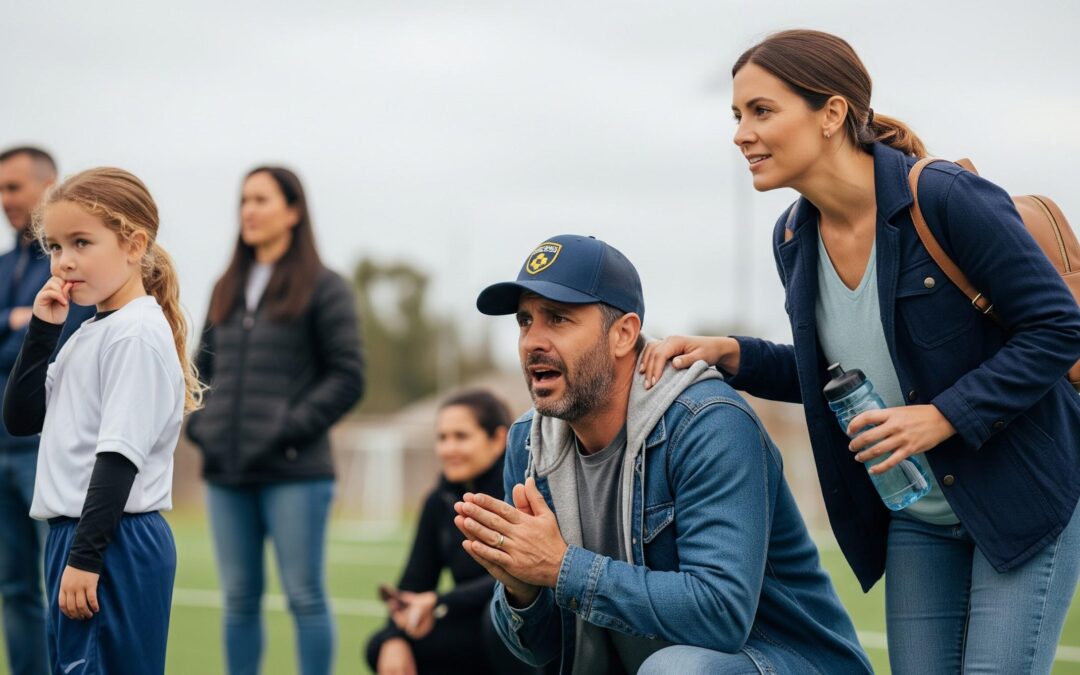
Listen to the full episode of the Rooted Sport Psychology Show with Georgia Miller here.
Club sports have become a defining feature of youth athletics, offering athletes opportunities that extend far beyond the traditional school season. In a recent episode of the Rooted Sport Psychology Show, host Georgia Miller—an experienced club athlete, coach, and recruiter—unpacks the nuanced landscape of club sports. Drawing from her extensive background, Georgia provides a comprehensive look at both the advantages and challenges of club sports, and offers actionable advice for athletes and families navigating this demanding yet rewarding world.
Below, we break down the main themes and expert tips from the episode, providing in-depth guidance for anyone considering or currently involved in club sports.
The Major Benefits of Club Sports
1. Year-Round Play: Immersion for the Passionate Athlete
Key Insights:
- Club sports often extend the playing season from the typical three months to eight or even eleven months when combined with school sports.
- This is ideal for athletes who are deeply passionate about their sport and want to maximize their time on the field or court.
Actionable Advice:
- Assess Your Motivation: Before committing, ensure the athlete’s desire for year-round play is intrinsic, not driven by external pressure.
- Family Support: Consider whether your family can realistically support the time and travel demands.
- Balance: Even with extended seasons, schedule intentional breaks to prevent burnout (more on this below).
2. Elevated Competition: Sharpening Skills Against the Best
Key Insights:
- Club teams attract highly skilled athletes, raising the level of play and intensity.
- Competing against top talent accelerates development and exposes athletes to new challenges.
Actionable Advice:
- Seek the Right Fit: Not all club teams are created equal. Research programs to find one that matches your skill level and goals.
- Embrace Challenges: Use tougher competition as motivation to improve, not as a source of discouragement.
- Growth Mindset: View setbacks as opportunities to learn and grow.
3. Travel Opportunities: Broadening Horizons and Building Bonds
Key Insights:
- Club sports often involve travel to tournaments in different cities or states.
- These trips can be memorable family experiences, offering time to explore new places and bond outside of the sport.
Actionable Advice:
- Make the Most of Travel: Plan to enjoy local attractions and restaurants as a family.
- Balance School and Sports: Stay organized to manage missed school days and keep up with academics.
- Cherish the Experience: Use travel as a chance to create lasting memories, not just as a means to an end.
4. Diverse Coaching and Skill Development
Key Insights:
- Exposure to multiple coaches and playing styles broadens an athlete’s skill set.
- Learning to adapt to different coaching personalities is a valuable life skill.
Actionable Advice:
- Be Open-Minded: Embrace feedback from various coaches, even if their styles differ.
- Develop Adaptability: Use the diversity of coaching as preparation for future challenges in sports and life.
- Reflect on Growth: Regularly assess what you’re learning from each coach and how it contributes to your overall development.
5. Increased Exposure for College Recruitment
Key Insights:
- Club tournaments are often prime recruiting grounds for college coaches, especially since school seasons overlap with college schedules.
- Well-known clubs may attract proactive interest from recruiters.
Actionable Advice:
- Be Proactive: Don’t rely solely on club exposure—reach out to college coaches and create highlight reels.
- Understand the Process: Recognize that club sports are not the only path to college athletics; school sports and showcases also play a role.
- Stay Grounded: Focus on enjoying the sport, not just on recruitment outcomes.
The Challenges and Pitfalls of Club Sports
1. Time Commitment: Sacrifices and Trade-Offs
Key Insights:
- Club sports demand significant time, often requiring weekend travel and long hours.
- Athletes may miss out on typical high school experiences and family events.
Actionable Advice:
- Set Priorities: Discuss as a family what you’re willing to sacrifice and what’s non-negotiable.
- Schedule Downtime: Protect time for rest, social activities, and family events.
- Monitor Well-Being: Watch for signs of stress or resentment related to missed experiences.
2. Athletic Identity: The Double-Edged Sword
Key Insights:
- Intense involvement can lead to a strong athletic identity, making it hard for athletes to see themselves outside their sport.
- This can limit opportunities for jobs, internships, and other interests.
Actionable Advice:
- Encourage Balance: Support involvement in non-sport activities, even if only during the off-season.
- Foster Self-Reflection: Help athletes explore interests and strengths beyond athletics.
- Plan for the Future: Discuss long-term goals that include, but are not limited to, sports.
3. Financial Cost: A Significant Barrier
Key Insights:
- Club sports can be expensive, with costs for registration, travel, gear, and tournaments.
- Financial strain can impact the entire family.
Actionable Advice:
- Budget Carefully: Assess all costs upfront and plan accordingly.
- Seek Scholarships: Some clubs offer financial aid or scholarships—don’t hesitate to ask.
- Weigh the Value: Consider whether the investment aligns with the athlete’s goals and family priorities.
4. Burnout and Overuse Injuries: The Hidden Dangers
Key Insights:
- High intensity and frequency of play increase the risk of both mental and physical burnout.
- Overuse injuries are common due to insufficient rest.
Actionable Advice:
- Prioritize Rest: Schedule regular rest days and take advantage of natural breaks (e.g., December between seasons).
- Monitor Health: Pay attention to signs of fatigue, injury, or declining motivation.
- Encourage Variety: Cross-train or play multiple sports to reduce repetitive strain.
5. Early Specialization: Risks to Development and Enjoyment
Key Insights:
- Many athletes specialize in one sport as early as age eight, limiting overall development and increasing burnout risk.
- Early specialization can stifle enjoyment and creativity.
Actionable Advice:
- Delay Specialization: Encourage participation in multiple sports until at least late middle school or high school.
- Promote Unstructured Play: Make time for free play and non-competitive activities.
- Value Fun and Learning: Remind athletes (and parents) that childhood should be about exploration, not just achievement.
6. Pressure and Stress: Navigating Expectations
Key Insights:
- Athletes face pressure from competition, coaches, teammates, and parents.
- Parental involvement can sometimes add to the stress, especially if overly critical or vocal.
Actionable Advice:
- Develop Coping Skills: Teach athletes to handle criticism constructively and focus on solutions.
- Empower Ownership: Encourage athletes to advocate for themselves (e.g., asking coaches about playing time).
- Support, Don’t Solve: Parents should guide athletes in problem-solving rather than intervening directly.
Expert Strategies for Thriving in Club Sports
1. Stay Grounded in Values
- Keep the athlete’s well-being and desires at the center of all decisions.
- Remember: It’s the athlete’s journey, not the parents’ or coaches’.
2. Cultivate Gratitude and Perspective
- Focus on what you have, not what you lack.
- Recognize that being a star or playing year-round isn’t the only path to success or happiness.
3. Foster Solution-Oriented Mindsets
- Don’t dwell on mistakes or perceived injustices.
- Ask: “What’s my plan? How can I move forward?”
4. Recognize the Role of Coaches
- Appreciate the dedication of most coaches, even if you encounter a few bad ones.
- Control your response to coaching decisions and focus on personal growth.
5. Balance is Key
- Make time for family, friends, and non-sport activities.
- Take breaks to recharge and avoid burnout.
Final Thoughts: Club Sports as a Tool for Growth
Club sports can be a powerful vehicle for athletic and personal development, but only when approached with intention and balance. By understanding both the opportunities and challenges, athletes and families can make informed decisions that prioritize well-being, growth, and enjoyment.
Listen to the full episode of the Rooted Sports Psychology Show with Dr. Bramante and Georgia Miller here.
Imposter syndrome and self-defeating behaviors are silent adversities for athletes and performing artists. In a recent episode of the Rooted Sport Psychology Show, host Georgia Miller and guest Dr. Albert Bramante—a college professor and expert in performance psychology—delved deep into the roots of these challenges and offered actionable strategies to overcome them. This blog post unpacks their expert insights, providing a comprehensive guide for anyone striving to reach their full potential in high-pressure performance environments.
Understanding Imposter Syndrome in Performance
Imposter syndrome is the persistent feeling of being a fraud, despite clear evidence of competence and achievement. Both athletes and artists experience this phenomenon, often dismissing their successes and fearing exposure as “not good enough.” Dr. Bramante’s decades of experience reveal that these feelings are not only common but also deeply rooted in our psychology.
Key Manifestations:
- Self-doubt despite evidence: Athletes in starting positions or actors landing roles may still feel undeserving.
- Fear of being “found out”: Persistent anxiety that others will discover their perceived inadequacy.
- Dismissal of achievements: Tendency to forget or minimize past successes.
Expert Insight:
Imposter syndrome is not a reflection of actual ability but a distortion of self-perception. Recognizing this is the first step toward overcoming it.
The Dual Nature of Fear: Failure and Success
Dr. Bramante highlights that fear is a double-edged sword in performance:
1. Fear of Failure
- Origins: Rooted in our evolutionary need for survival, fear once protected us from physical threats.
- Modern Context: In auditions or competitions, this fear can become overactive, leading to anxiety, avoidance, or self-sabotage.
- Impact: Repeated rejection or criticism can erode confidence and reinforce self-doubt.
2. Fear of Success
- Less Obvious, Equally Powerful: Success brings change—new expectations, environments, and identities.
- Resistance to Change: Even positive change disrupts familiar patterns, causing discomfort and unconscious self-sabotage.
Actionable Advice:
- Acknowledge both fears: Understand that fear of success can be as limiting as fear of failure.
- Reflect on your reactions: Are you avoiding opportunities or downplaying achievements? This may signal a fear of success.
Mindset: The Foundation of Performance
Dr. Bramante and Georgia Miller agree: mindset is as critical as physical or technical skill. Here’s how to optimize your mental game:
1. Self-Awareness and Honest Reflection
- Examine your role: Gently consider how your thoughts and behaviors contribute to challenges.
- Challenge limiting labels: Avoid internalizing identities like “starving artist” or “average athlete.”
- Seek external perspective: Trusted coaches, mentors, or peers can help you see your strengths objectively.
2. Reframing Failure as Feedback
- Growth Mindset: View setbacks as learning opportunities, not as evidence of inadequacy.
- Historical Example: Inventors and elite performers often fail repeatedly before succeeding—each failure is a step closer to mastery.
- Practical Routine: After performances, reflect on what went well and what can be improved, rather than ruminating on mistakes.
3. Language and Self-Talk
- Positive Affirmations: Focus on what you want to achieve (“I will do my best”) rather than what to avoid (“Don’t mess up”).
- Shift from fear to action: Move your self-talk from “What am I afraid of?” to “What do I want, and what am I going to do?”
The Power of Presence: Getting Out of Your Head
One of Dr. Bramante’s most powerful tips is to “get outside your own head.” Overthinking can disconnect you from the present moment, whether you’re on stage or on the field.
How to Practice Presence:
- Active Listening: For actors, truly listen to your scene partner. For athletes, stay attuned to the flow of the game.
- Mindful Engagement: Focus on the current play or moment, not the next move or past mistake.
- Routine Reflection: After performances, allow a short cooldown period (10–20 minutes) to process emotions, then move forward.
Visualization: Mental Rehearsal for Success
Visualization is a scientifically backed tool that primes your mind for peak performance.
How to Use Visualization Effectively:
- Detailed Scenarios: Imagine not just the outcome, but the process—how smoothly you execute each step.
- Sensory Immersion: Picture the environment, sounds, sights, and even what you’re wearing.
- Regular Practice: Incorporate visualization into daily routines, both in training and before high-stakes events.
Research Insight:
Studies show that athletes who combine physical practice with visualization outperform those who rely on physical training alone.
Managing Feedback and Negativity Bias
Our brains are wired to focus on negative feedback—a phenomenon known as negativity bias. This can undermine confidence and fuel imposter syndrome.
Strategies to Counteract Negativity Bias:
- Conscious Focus on Positives: Keep a record of compliments, achievements, and positive feedback.
- Objective Evaluation: Separate the content of criticism from its delivery; extract useful information without internalizing negativity.
- Support System: Lean on coaches, mentors, and peers to help you recognize your strengths.
Balancing Internal and External Realities
Success in performance is influenced by factors both within and beyond your control.
Maintain Perspective:
- Control the Controllables: Focus on preparation, effort, and attitude.
- Accept External Factors: Recognize that casting decisions, competition, and other variables are not always reflections of your ability.
- Redefine Success: Success isn’t just about external recognition; it’s about growth, learning, and doing what you love.
The Role of Technology and AI in Performance
Dr. Bramante notes that AI can be a valuable tool for generating affirmations, quotes, and research, but warns against overreliance.
Best Practices for Using AI:
- Augment, Don’t Replace: Use AI to spark ideas or automate tasks, but ensure your authentic voice shines through.
- Avoid Isolation: Technology should support, not replace, real human connection and self-reflection.
Actionable Takeaways for Performers
- Acknowledge and Name Your Fears: Both fear of failure and fear of success can hold you back.
- Cultivate Self-Awareness: Regularly reflect on your mindset, language, and behaviors.
- Practice Presence: Stay engaged in the moment to optimize performance.
- Leverage Visualization: Use detailed mental rehearsal to prepare for success.
- Reframe Failure: Treat setbacks as feedback, not defeat.
- Focus on the Positive: Counteract negativity bias by consciously celebrating your wins.
- Balance Perspective: Recognize what you can control and accept what you can’t.
- Use Technology Wisely: Let AI support your growth, but keep your unique voice at the center.
Final Words of Encouragement
As Dr. Bramante reminds us: “You are enough. You have all the wisdom and tools within you to succeed. Sometimes it just takes a coach or someone else to help you recognize and tap into those resources.”
Listen to the full episode of the Rooted Sport Psychology Show here.
Introduction: Faith, Athletics, and the Parable of the Talents
In the latest episode of the Rooted Sport Psychology Show, host Georgia Miller explores a profound intersection between faith and sports by unpacking the Parable of the Talents from Matthew 25. This biblical story isn’t just about money—it’s about how we use the unique gifts and abilities entrusted to us. For Christian athletes, this parable offers a powerful framework for approaching competition, adversity, and personal growth.
This blog post dives deep into the episode’s main theme: using your God-given talents to their fullest, overcoming fear of failure, and playing with courage. We’ll break down each actionable tips discussed, provide practical examples, and offer expert advice to help you integrate your faith with your athletic journey.
1. Recognize Your Talents as Gifts to Be Invested, Not Hidden
The Parable’s Lesson for Athletes
- Biblical Context: In Matthew 25, three servants are entrusted with “talents” (a form of money). Two invest and multiply what they’re given; the third, out of fear, hides his talent and is reprimanded.
- Athletic Application: Your “talents” are your unique skills—speed, leadership, encouragement, technical ability, or even humor. These are meant to be developed and shared, not buried due to fear or self-doubt.
Actionable Advice
- Inventory Your Gifts: Take time to honestly assess your strengths. Are you a motivator? A strategist? A technical player? Write them down.
- Ask for Feedback: Sometimes, teammates and coaches see gifts in you that you overlook. Ask them what they value most about your contribution.
- Set Growth Goals: For each talent, set a specific goal to develop it further. For example, if you’re a strong communicator, aim to lead a team huddle or encourage a struggling teammate each week.
Expert Insight
“God doesn’t want you to play it safe. He gave you these talents for a reason, and He wants you to multiply them.”
— George, Rooted Sport Psychology Show
2. Overcome the Fear of Failure: Play to Win, Not Just to Avoid Losing
The Trap of Playing It Safe
- Fear-Based Performance: Many athletes play “not to lose” rather than “to win.” This mindset leads to conservative choices, missed opportunities, and stunted growth.
- Parable Parallel: The servant who hid his talent was motivated by fear. He missed the chance to grow and was ultimately reprimanded for his inaction.
Actionable Advice
- Reframe Mistakes: View errors as essential steps in your development, not as evidence of inadequacy.
- Take Calculated Risks: Challenge yourself to try new moves, take on leadership roles, or speak up in team meetings—even if it feels uncomfortable.
- Reflect and Adjust: After each game or practice, review what risks you took and what you learned, rather than just focusing on outcomes.
Practical Example
Georgia shared the story of a soccer player with excellent dribbling skills who was afraid to use them in games. With encouragement, she took the risk, dribbled forward, and made a significant impact. Her confidence grew as she saw the positive results of investing her talent.
Expert Insight
“You will make mistakes along the way—we all do. But just like the master in the parable praised the servants who took risks, you too will be praised for stepping out in faith and courage.”
— George
3. Embrace Your Unique Role—Even If It’s Not Flashy
Every Gift Matters
- Not All Talents Are Obvious: You might not be the top scorer or the fastest runner. Maybe your gift is encouragement, humor, or quiet leadership from the bench.
- Team Impact: Teams thrive when every member invests their unique strengths, not just the “star” players.
Actionable Advice
- Own Your Role: Whether you’re a starter or a substitute, find ways to contribute meaningfully. Your presence and attitude can shift team dynamics.
- Develop “Hidden” Skills: Leadership, resilience, and positivity are just as valuable as physical skills. Invest in these areas through reading, mentorship, or workshops.
- Celebrate Others: Recognize and affirm the gifts of your teammates. This builds a culture of mutual respect and growth.
Expert Insight
“God doesn’t give you more than you can handle, and over time, you’ll learn to love and embrace the role you play.”
— Georgia Miller, M.Ed., CMPC
4. Hand Over Your Fears and Stress to God
Integrating Faith and Mental Skills
- Spiritual Surrender: Anxiety, pressure, and fear are common in sports. The episode encourages athletes to pray about these struggles and trust God with the outcome.
- Mental Skills Training: Prayer can be a powerful tool for mental resilience, focus, and peace.
Actionable Advice
- Pray Specifically: Don’t just pray for wins—pray for courage, focus, and the ability to use your gifts fully.
- Practice Surrender: Before games or practices, take a moment to hand your worries to God. Visualize placing your fears in His hands.
- Combine Faith and Psychology: Use mental skills techniques (like visualization or breathing exercises) alongside prayer for a holistic approach.
Expert Insight
“Hand over your fears to God. When you do, good things will come.”
— Georgia Miller, M.Ed., CMPC
5. Practical Steps for Christian Athletes: Integrating Faith and Performance
What to Pray About
- Courage to Use Your Gifts: Ask for boldness to step out and invest your talents, even when it’s risky.
- Resilience in Adversity: Pray for strength to persevere through setbacks and failures.
- Humility and Gratitude: Thank God for your abilities and the opportunity to compete, regardless of the outcome.
- Impact Beyond the Field: Pray that your actions and attitude would positively influence teammates, coaches, and opponents.
Daily Habits
- Reflect on the Parable: Regularly revisit Matthew 25 and journal about how you’re investing your talents.
- Accountability: Find a teammate or mentor to discuss your progress and challenges.
- Celebrate Growth: Acknowledge and celebrate when you take risks, use your gifts, or overcome fear—even if the result isn’t perfect.
Conclusion: Compete with Courage, Invest Your Talents, and Glorify God
The Parable of the Talents challenges all athletes—especially those of faith—to move beyond fear, invest their gifts, and play with purpose. Whether your talent is obvious or hidden, flashy or quiet, you are called to use it fully. By integrating faith, mental skills, and a growth mindset, you can honor God, impact your team, and experience true fulfillment in sport.
Listen to the full episode of the Rooted Sport Psychology Show with Georgia Miller and Marius Johnson here.
Stepping up to a new level of competition—whether it’s moving from high school to college sports, joining a new team, or entering the professional arena—can be both exhilarating and overwhelming for athletes. In a recent episode of the Rooted Sport Psychology Show, host Georgia Miller and performance coach Marius Johnson (with experience from the Memphis Grizzlies and their G League affiliate, the Hustle) dive deep into the psychological and practical challenges that freshmen and rookies face, and offer actionable strategies to help them not just survive, but thrive.
This blog post unpacks the main themes and expert advice from the episode, providing a comprehensive guide for athletes, coaches, and parents navigating this critical transition.
1. Managing Expectations: The Power of Minimalism
The Challenge
Newcomers are often arrive eager to make an immediate impact, setting high expectations for themselves. This can quickly lead to disappointment and self-doubt if those expectations aren’t met.
Expert Insights
- Georgia Miller observes that the most successful freshmen are those who approach the transition with minimal expectations, focusing on learning and adapting rather than impressing.
- Marius Johnson emphasizes patience and grace, reminding athletes that development is a multi-year journey, not a sprint.
Actionable Advice
- Adopt a “Sponge” Mentality: Focus on absorbing information, observing team culture, and learning from every experience.
- Set Process Goals, Not Outcome Goals: Instead of aiming to be a starter or top scorer immediately, set goals around effort, learning, and daily improvement.
- Give Yourself Time: Recognize that growth is gradual. Allow yourself to make mistakes and learn from them.
2. Patience and Grace: Embracing the Adjustment Period
The Challenge
The urge to prove oneself can lead to frustration and burnout, especially when progress feels slow.
Expert Insights
- Marius highlights the importance of giving yourself permission to be a beginner. Even elite athletes take time to adjust to new environments.
- Georgia notes that athletes have multiple years to develop and that rushing to peak immediately is neither realistic nor beneficial.
Actionable Advice
- Track Your Progress: Keep a journal of small wins and lessons learned each week.
- Celebrate Effort, Not Just Results: Acknowledge the hard work you’re putting in, even if it hasn’t translated to on-field success yet.
- Practice Self-Compassion: When you make mistakes, treat yourself with the same kindness you’d offer a teammate.
3. Shifting from Comparison to Curiosity
The Challenge
It’s easy for rookies to compare themselves to more experienced teammates, which can erode confidence and motivation.
Expert Insights
- Marius and Georgia both stress the importance of shifting from negative comparison to curiosity and learning.
- Observe and Ask: Instead of feeling threatened by others’ success, use it as a learning opportunity.
Actionable Advice
- Identify Role Models: Watch how top teammates prepare, communicate, and handle adversity.
- Ask Questions: Don’t be afraid to seek advice from veterans or coaches. Most are happy to share their knowledge.
- Reflect on Your Unique Strengths: Remember what got you to this level and build on it.
4. Building Relationships: The Foundation of Confidence
The Challenge
Feeling like an outsider can hinder performance and enjoyment.
Expert Insights
- Georgia recommends engaging in casual conversations with coaches and teammates to build rapport and comfort.
- Marius notes that strong relationships create a supportive environment, which naturally boosts confidence.
Actionable Advice
- Initiate Small Interactions: Say hello, ask about someone’s weekend, or offer a compliment.
- Seek Feedback: Regularly check in with coaches about your progress and areas for growth.
- Support Others: Celebrate teammates’ successes and offer encouragement during tough times.
5. Standards vs. Expectations: Controlling the Controllables
The Challenge
Expectations often focus on outcomes you can’t control, leading to anxiety and disappointment.
Expert Insights
- Marius distinguishes between expectations (outcome-focused) and standards (process-focused).
- Georgia ties standards to character, emphasizing that how you work and respond to challenges matters as much as results.
Actionable Advice
- Set High Personal Standards: Focus on effort, preparation, attitude, and energy—factors within your control.
- Develop Pre-Game Routines: Establish habits that help you feel prepared and focused.
- Respond to Mistakes Constructively: Use errors as learning opportunities, not reasons for self-criticism.
6. Habits: The Building Blocks of Long-Term Success
The Challenge
Transitioning to a higher level often exposes gaps in both physical and mental habits.
Expert Insights
- Marius encourages athletes to develop self-awareness around their habits, identifying both strengths and areas for improvement.
- Georgia stresses that “rock solid” habits are transferable beyond sport, shaping success in all areas of life.
Actionable Advice
- Audit Your Habits: Regularly assess your routines around nutrition, sleep, training, and recovery.
- Mind Your Mental Habits: Notice patterns of negative self-talk and work to replace them with supportive, realistic thoughts.
- Be Intentional with Social Media: Use it for connection and learning, but set boundaries to avoid distraction and comparison.
7. Leveraging Support Systems
The Challenge
Navigating a new environment can feel isolating without the right support.
Expert Insights
- Marius suggests collaborating with coaches, sport psychologists, or mentors to refine habits and mindset.
- Peer Learning: Observing and engaging with teammates can provide practical strategies for overcoming challenges.
Actionable Advice
- Find a Mentor: Seek out a more experienced teammate or coach who can offer guidance.
- Join Team Activities: Participate in team-building events to strengthen bonds.
- Share Your Journey: Don’t be afraid to talk about your struggles and successes with trusted individuals.
8. Consistency and Adaptability: The Keys to Growth
The Challenge
The pressure to perform can lead to inconsistency or rigid routines that don’t serve you.
Expert Insights
- Georgia advises athletes to stay grounded in their process and remain open to feedback and change.
- Marius highlights adaptability as a hallmark of successful athletes.
Actionable Advice
- Review and Adjust: Regularly evaluate what’s working and be willing to tweak your approach.
- Stay Curious: Approach each practice and game as an opportunity to learn.
- Prioritize Consistency: Small, daily actions compound over time to create lasting improvement.
Conclusion: Embrace the Journey
Transitioning to a higher level of competition is a significant challenge, but it’s also a tremendous opportunity for growth. By managing expectations, focusing on standards, building strong relationships, and cultivating positive habits, freshmen and rookies can set themselves up for long-term success—not just in sport, but in life.
For more expert insights and actionable strategies, listen to the full episode of the Rooted Sport Psychology Show with Georgia Miller and Marius Johnson here.
Key Takeaways for Freshmen and Rookies
- Enter with minimal expectations and a learning mindset.
- Be patient and give yourself grace during the adjustment period.
- Shift from comparison to curiosity—observe, ask, and learn.
- Build relationships with coaches and teammates.
- Focus on controllable standards, not uncontrollable expectations.
- Audit and refine your physical and mental habits.
- Leverage support systems and peer learning.
- Stay consistent and adaptable in your approach.
Listen to the full episode of the Rooted Sports Psychology Show with Dr. Jen Fry and Georgia Miller here.
Navigating the world of youth sports as a parent can be both rewarding and overwhelming. The pressure to support your child, manage expectations, and handle the emotional rollercoaster of wins and losses is real. In a recent episode of the Rooted Sport Psychology Show, host Georgia Miller and guest Dr. Jen Fry—a former athlete, college coach, and professional speaker—delve deep into the nuanced challenges parents face and offer actionable, expert-backed advice for fostering healthy, independent, and resilient young athletes.
Below, we break down the main themes and expert tips from the episode, providing you with a comprehensive guide to supporting your child’s athletic journey.
1. Foster Independence and Decision-Making
Why It Matters
Dr. Jen Fry emphasizes that one of the greatest gifts parents can give their children is the ability to make decisions and experience the consequences—good or bad. Shielding kids from failure or making choices for them may feel protective, but it stunts their growth and self-advocacy skills.
Actionable Strategies
- Let Kids Own Their Choices:
If your child wants to quit a team or skip extra practice, let them make that call. Discuss the potential outcomes, but don’t force your agenda.
- Set Clear Expectations and Consequences:
For example, if your child signs up for a club sport with a financial commitment, clarify upfront what happens if they back out. Dr. Fry suggests having the child take responsibility, such as working to pay back fees, rather than forcing participation or guilt-tripping.
- Encourage Problem-Solving:
When issues arise, ask guiding questions:
- “What do you think is the best way to handle this?”
- “What can you learn from this experience?”
Expert Insight
“When parents wrap their kids in bubble wrap, they’re actually limiting their ability to navigate challenges independently. Let them make decisions and learn from the outcomes.” — Dr. Jen Fry
2. Separate Financial Investment from Emotional Expectations
Why It Matters
Youth sports can be expensive, and it’s easy for parents to tie their expectations to the money spent. This can create pressure for both parent and child, leading to resentment and anxiety.
Actionable Strategies
- Focus on Growth, Not ROI:
The only reasonable expectations are that your child is safe, learning, having fun, and growing as a person. Don’t expect a “return on investment” in the form of scholarships or wins.
- Avoid Guilt Trips:
Don’t remind your child of the money spent as a way to motivate or guilt them into performing.
- Communicate Sacrifices Clearly:
Set boundaries about what participation means (e.g., missing social events, travel commitments) without making your child feel responsible for the family’s finances.
Expert Insight
“If you focus solely on the money, you risk having a miserable experience. The investment should be about your child’s growth, not your expectations.” — Dr. Jen Fry
3. Be a Supportive Cheerleader, Not a Sideline Coach
Why It Matters
Parental behavior on the sidelines can significantly impact a child’s confidence and relationship with their coach. Coaching from the stands or critiquing every play undermines the coach’s authority and can confuse or embarrass your child.
Actionable Strategies
- Cheer, Don’t Coach:
Offer encouragement and positive reinforcement. Avoid giving technical advice or instructions during games.
- Model Emotional Regulation:
Stay calm, even when things don’t go your child’s way. Your reactions set the tone for how your child processes setbacks.
- Avoid Post-Game Overanalysis:
The car ride home should be a safe space. Offer a hug and a simple, “I love watching you play.” Let your child lead any deeper conversations about the game.
Expert Insight
“Parents need to be the supportive cheerleaders, not the sideline coaches. Emotional regulation is key—your calm presence helps your child stay resilient.” — Dr. Jen Fry
4. Empower Your Child to Advocate for Themselves
Why It Matters
Learning to communicate with coaches and address concerns is a vital life skill. When parents intervene on issues like playing time, it shifts the focus from the child’s growth to the parent’s emotions and can damage relationships.
Actionable Strategies
- Encourage Direct Communication:
If your child is upset about playing time or team dynamics, help them prepare to talk to the coach themselves. Role-play conversations and offer emotional support.
- Step Back Unless It’s Serious:
Only intervene directly if there are serious issues like bullying or safety concerns.
- Use Journaling:
If you’re struggling with your own emotions, process them privately—through journaling or talking with another adult—before discussing with your child or their coach.
Expert Insight
“Parents should never approach coaches about playing time. Help your child learn to self-advocate instead.” — Dr. Jen Fry
5. Maintain Healthy Boundaries and a Life Outside of Sports
Why It Matters
Being overly involved in your child’s sports life can lead to burnout for both of you. It’s important for parents to maintain their own interests and for children to develop independence.
Actionable Strategies
- Don’t Feel Guilty for Not Attending Every Event:
It’s okay to miss some practices or games. Use that time for your own activities or self-care.
- Encourage Independence:
Let your child manage their own schedule, equipment, and communication with coaches as much as possible.
- Model Balance:
Show your child that sports are just one part of a well-rounded life.
Expert Insight
“You don’t need to be at every practice or game to support your child. Creating healthy boundaries benefits both parent and athlete.” — Dr. Jen Fry
6. Help Your Child Develop an Identity Beyond Sports
Why It Matters
Athletes who see themselves only as “the soccer player” or “the swimmer” can struggle with self-worth and transition when their sports careers change or end.
Actionable Strategies
- Encourage Diverse Interests:
Support your child in exploring hobbies, friendships, and activities outside of sports.
- Use Travel as an Opportunity:
When traveling for tournaments, explore new places and experiences together.
- Promote Team Bonding:
Encourage participation in team-building activities that aren’t just about competition.
Expert Insight
“Help your child see themselves in multiple roles, not just as an athlete. This supports mental health and smooth transitions.” — Georgia Miller
7. Stop Comparing Your Child to Others
Why It Matters
Comparisons can create unnecessary pressure and lead to poor decisions. Every athlete’s journey is unique.
Actionable Strategies
- Focus on Individual Progress:
Celebrate your child’s personal growth and achievements, regardless of how they stack up against others.
- Avoid “Keeping Up with the Joneses”:
Don’t let other families’ choices dictate your own. Make decisions based on what’s best for your child and family.
Expert Insight
“Comparing your child to others leads to poor decisions and unnecessary pressure. Every journey is different.” — Dr. Jen Fry
8. Prioritize Emotional Safety and Growth
Why It Matters
The ultimate goal of youth sports should be to foster resilience, confidence, and joy—not just to win games or earn scholarships.
Actionable Strategies
- Remind Your Child You Love Watching Them Play:
Regularly express your support and pride, regardless of outcomes.
- Help Them Process Setbacks:
When things go wrong, ask, “What can you do differently next time?” rather than focusing on blame.
- Celebrate Effort and Growth:
Recognize hard work, improvement, and sportsmanship as much as victories.
Expert Insight
“The only reasonable expectations are that your child is safe, having fun, learning, and growing as a person.” — Dr. Jen Fry
Final Thoughts and Resources
Parenting a young athlete is a journey filled with challenges, growth, and opportunities for connection. By focusing on independence, emotional regulation, and healthy boundaries, you can help your child thrive both on and off the field.
For more expert advice, listen to the full episode of the Rooted Sport Psychology Show here.
Recommended Resource:
Dr. Jen Fry’s new book, I Said No: How to Have Boundaries and Backbone Without Being a Jerk, offers practical tools for navigating family conflict and building strong communication.
“Remember: Your role is not to be the motivator, coach, or negotiator—but the loving, supportive cheerleader who empowers your child to own their journey.” —Georgia Miller, CMPC, ME
Listen to the full episode here: Rooted Sport Psychology Show – Goal Setting with Georgia Miller & Marius
Goal setting is a cornerstone of athletic success, but it’s also a source of confusion, frustration, and even anxiety for many athletes. In a recent episode of the Rooted Sport Psychology Show, host and sport psychology coach, Georgia Miller, sat down with mental performance consultant, Marius Johnson, to unpack the nuances of effective goal setting. Their conversation goes far beyond the basics, offering a roadmap for athletes and performers who want to set goals that actually drive progress, resilience, and satisfaction.
In this in-depth blog post, we’ll break down the main themes and actionable tips from the episode, providing you with expert-backed strategies to elevate your own goal-setting process.
Rethinking Traditional Goal Setting
Key Insight:
Many athletes have a complicated relationship with goal setting, often due to negative past experiences or misunderstandings about its purpose.
Expert Perspective:
Georgia Miller challenges the conventional approach of focusing solely on long-term and intermediate goals. She notes that for many athletes, especially teams, this can feel abstract or even overwhelming. Instead, she advocates for a shift toward daily, actionable steps and preparing for potential barriers.
Actionable Advice:
- Reflect on your past experiences: If goal setting has felt like a source of pressure or disappointment, consider what didn’t work and why.
- Redefine goal setting: View it as a tool for daily progress and preparation, not just a distant finish line.
The Power of Daily Actionable Steps
Key Insight:
Focusing on what you can do today creates momentum, builds confidence, and makes the journey more enjoyable.
Expert Perspective:
Both Georgia and Marius emphasize the importance of process goals—small, controllable actions you can take each day. This approach keeps you present and engaged, reducing the anxiety that comes from fixating on distant outcomes.
Actionable Advice:
- Identify daily habits: What are the 1-3 actions you can take today that move you closer to your goal? (e.g., a specific training drill, a nutrition habit, a mental routine)
- Celebrate small wins: Recognize and reward yourself for completing these daily steps, reinforcing positive behavior.
- Stay present: Use mindfulness techniques to bring your attention back to the current moment, especially during training or competition.
Breaking Down Long-Term Goals
Key Insight:
Long-term outcome goals (like winning a championship) are important, but they must be broken down into manageable, short-term process goals.
Expert Perspective:
Marius explains that outcome goals can feel overwhelming or vague. By breaking them down, you create a clear, step-by-step path that’s easier to follow and measure.
Actionable Advice:
- Work backwards: Start with your ultimate goal and ask, “What needs to happen this month? This week? Today?”
- Use process goals: Focus on actions within your control, such as technique, effort, or preparation, rather than just results.
- Track progress: Keep a journal or log to monitor your daily and weekly achievements.
Choosing the Right Goal-Setting Framework
Key Insight:
Frameworks like SMART and WOOP can structure your goal-setting process, but the best approach is one that fits your needs and anticipates obstacles.
Expert Perspective:
- SMART Goals: Specific, Measurable, Achievable, Relevant, Time-bound. Good for clarity, but can be too rigid or simplistic.
- WOOP Method: Wish, Outcome, Obstacle, Plan. Marius prefers this because it incorporates planning for barriers, making it more dynamic and realistic.
Actionable Advice:
- Try WOOP for your next goal:
- Wish: What do you want to achieve?
- Outcome: What will it look/feel like when you succeed?
- Obstacle: What might get in your way?
- Plan: What will you do when you encounter this obstacle?
- Customize your framework: Don’t be afraid to blend elements from different models to suit your personality and sport.
Planning for Obstacles: The Missing Link
Key Insight:
Anticipating and preparing for obstacles is crucial for resilience and confidence.
Expert Perspective:
Georgia and Marius both stress that most athletes overlook this step. By identifying potential “roadblocks” and having a plan, you reduce anxiety and increase your ability to adapt under pressure.
Actionable Advice:
- List likely obstacles: Think about what has derailed you in the past—injuries, nerves, schedule changes, etc.
- Develop “if-then” plans: For each obstacle, write down a specific response. (“If I feel anxious before a game, then I’ll use my breathing technique.”)
- Practice mental rehearsal: Visualize encountering and overcoming these obstacles in your mind.
Balancing Flexibility and Routine
Key Insight:
Great athletes are not just consistent—they’re adaptable.
Expert Perspective:
While routines are important, the ability to adjust when things don’t go as planned is what separates good from great performers. Having multiple plans (Plan A, B, C) ensures you’re ready for anything.
Actionable Advice:
- Build flexible routines: Have a core routine, but also practice adapting it in different environments or under stress.
- Prepare backup plans: For key situations, know your alternatives in advance.
- Embrace change: View unexpected challenges as opportunities to grow and learn.
The Role of Long-Term Goals: Direction, Not Pressure
Key Insight:
Long-term goals provide motivation and direction, but shouldn’t become a source of paralyzing pressure.
Expert Perspective:
Marius describes long-term goals as a “beacon of hope” during tough times. Georgia cautions that focusing too much on the end result can hinder performance in the moment.
Actionable Advice:
- Keep your “why” visible: Remind yourself regularly why you’re pursuing your goal, especially during setbacks.
- Balance vision and action: Use long-term goals for motivation, but focus your energy on daily, controllable steps.
- Reframe setbacks: If you don’t achieve the ultimate goal, recognize the progress and growth you’ve made along the way.
Accountability and Visibility: Making Goals Stick
Key Insight:
Writing down and sharing your goals increases commitment and follow-through.
Expert Perspective:
Marius encourages athletes to make their goals visible and share them with others for added accountability. Georgia suggests placing written goals somewhere you’ll see them daily.
Actionable Advice:
- Write it down: Use a journal, phone note, or sticky note on your mirror.
- Share with a trusted person: Tell a coach, teammate, or friend about your goal and your plan.
- Review regularly: Set aside time each week to reflect on your progress and adjust as needed.
Conclusion: A Dynamic, Personalized Approach
Goal setting is not a one-size-fits-all process. As Georgia and Marius highlight, the most effective approach is dynamic, flexible, and tailored to your unique needs and experiences. By combining hope, clear direction, actionable daily steps, and preparation for obstacles, you can transform not only your performance but also your mindset and resilience.
Ready to take your goal setting to the next level?
Listen to the full episode for more insights and practical examples: Rooted Sport Psychology Show – Goal Setting with Georgia Miller & Marius
For personalized support, connect with Georgia or Marius via the show notes. Embrace goal setting as a living, evolving process—and watch your performance and satisfaction soar.
Related Resources:
If you found this post helpful, share it with your team or training group, and subscribe to the Rooted Sport Psychology Show for more expert advice on performance and mindset.