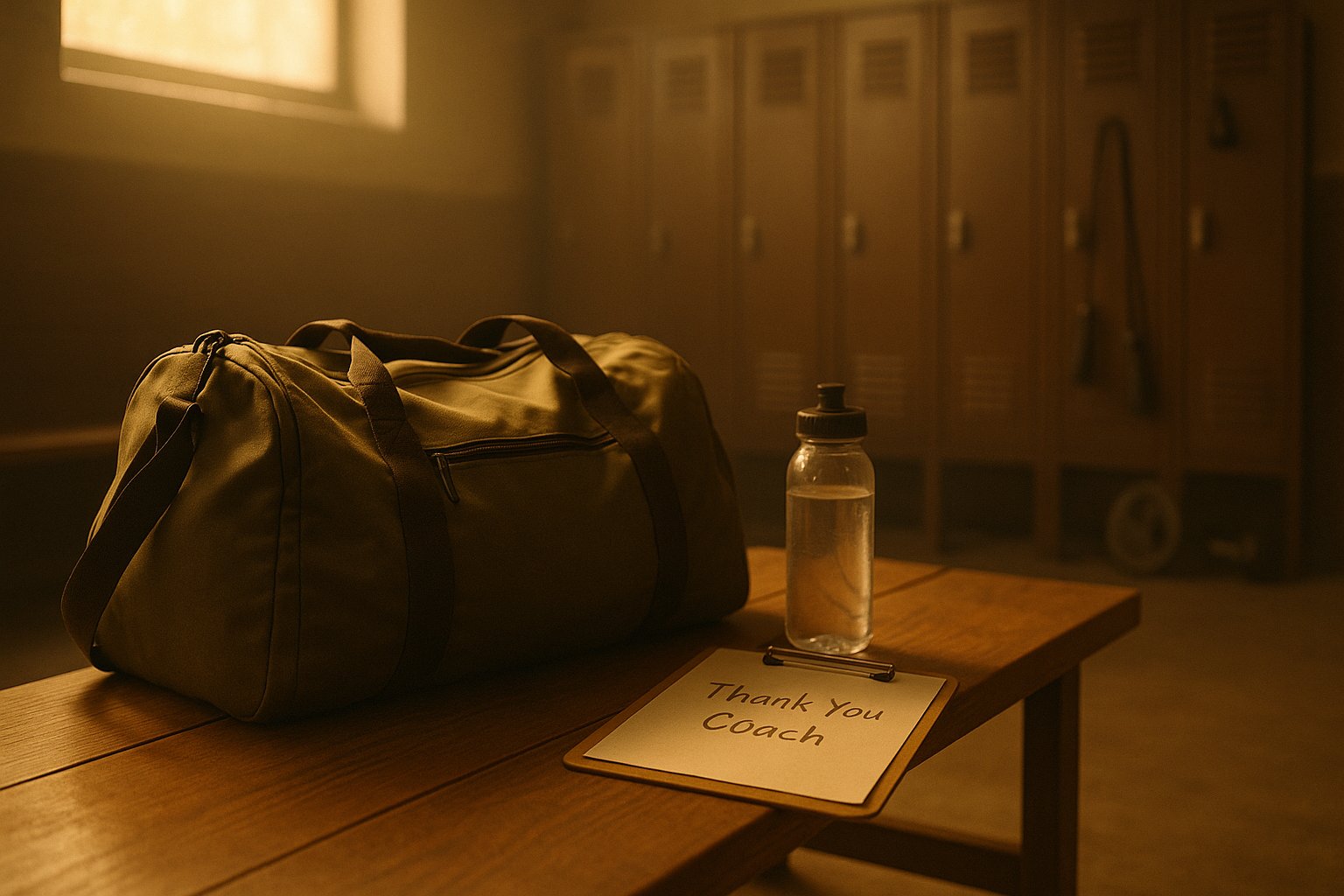
You don’t have to be the loudest person in the room to be an effective team leader. In fact, some of the most influential leaders are the ones who lead quietly—through consistency, intentionality, and a genuine commitment to making those around them better. Leadership isn’t about status or attention. It’s about influence, service, and the willingness to do what’s best for the team, even when it’s uncomfortable.
In a recent episode of the Rooted Sport Psychology Show, host Georgia Miller, unpacks five essential principles that great team leaders embody. These aren’t abstract concepts—they’re practical, actionable habits that athletes, coaches, and business leaders can implement immediately to strengthen their teams and deepen their influence.
Below, we break down each of the five leadership principles Georgia shares, along with insights on how to apply them in your own environment. Whether you’re a team captain, a workplace manager, or simply someone who wants to lead with greater impact, these strategies will help you build trust, accountability, and a culture of excellence.
Ask the Question That Builds Trust
Great team leaders don’t assume they have all the answers. Instead, they invite input, perspective, and collaboration from the people around them. One of the simplest yet most powerful habits a leader can develop is asking, “What do you think?”
This question does more than gather information. It communicates respect, builds trust, and creates a culture where teammates feel valued and heard. Confident leaders understand that leadership is not about control—it’s about bringing people together and leveraging the collective intelligence of the team.
Why It Works:
When you ask for input, you signal that you’re not threatened by other voices. You demonstrate humility and openness, two qualities that inspire loyalty and engagement. Moreover, you gain access to insights you might have missed on your own, which leads to better decision-making and stronger team cohesion.
How to Apply:
- In team meetings: Before finalizing a strategy or decision, ask your teammates what they think. Create space for honest feedback.
- After a tough loss or mistake: Instead of dictating the next steps, ask, “What did you notice? What can we learn from this?”
- During one-on-one conversations: Show genuine curiosity about how your teammates are experiencing the team dynamic or their own performance.
- With younger or quieter teammates: Intentionally seek out voices that might not speak up on their own. Ask them directly for their perspective.
Expert Insight:
Leaders who listen well create environments where innovation, accountability, and trust can flourish.
Key Insight:
Confident leaders are not threatened by other voices—they invite them in.
Serve Others Before Yourself
One of Georgia’s favorite quotes captures this principle perfectly: “If serving is below you, then leadership is beyond you.” Leadership is not about status, titles, or recognition. It’s about being willing to do the little things that help your team succeed, even when no one is watching.
Service-oriented leadership looks different in every context. Sometimes it’s encouraging a teammate after a mistake. Sometimes it’s carrying the equipment bag, shagging the ball no one else wants to retrieve, or staying late to help someone work through a drill. It’s about putting the team before your own ego and creating positive energy that lifts everyone up.
Why It Works:
When leaders serve, they set a tone of humility and selflessness that permeates the entire team. Teammates are more likely to follow someone who demonstrates that no task is beneath them. Service builds credibility and respect in ways that words alone never can.
How to Apply:
- Look for the unglamorous tasks: Volunteer for the jobs that others avoid. Show that you’re willing to contribute in any way necessary.
- Encourage consistently: Make it a habit to affirm your teammates, especially after mistakes or during difficult stretches.
- Create good energy at practice: Your attitude is contagious. Show up with enthusiasm, focus, and positivity, even on hard days.
- Check in privately: Ask teammates how they’re doing, both on and off the field. Show that you care about them as people, not just performers.
Expert Insight:
The best leaders understand that their role is to elevate others, not to elevate themselves.
Key Insight:
Leadership is not about status—it’s about being willing to do the little things that help your team.
Own Your Weaknesses and Admit When You’re Wrong
In sports culture, there’s often pressure to project confidence at all times. However, real leadership requires self-awareness and the courage to admit when you’ve made a mistake or fallen short. Great team leaders don’t hide their weaknesses—they own them.
When a leader can say, “That was on me. I need to be better there,” they don’t lose respect—they gain it. Vulnerability, when paired with accountability, builds trust and creates a culture where others feel safe to own their own mistakes as well.
Why It Works:
Admitting fault demonstrates maturity and authenticity. It shows that you’re more committed to the team’s success than to protecting your own image. Additionally, it models the kind of accountability you want to see from your teammates, making it easier for others to follow suit.
How to Apply:
- After a mistake: Don’t deflect or make excuses. Say, “I messed up. Here’s what I’m going to do differently next time.”
- In team debriefs: Be the first to acknowledge your own areas for improvement. Set the tone for honest self-assessment.
- When receiving feedback: Listen without defensiveness. Thank the person for their honesty and commit to growth.
- Regularly reflect: Ask yourself, “Where am I falling short as a leader? What do I need to work on?” Then share those reflections with a trusted coach or teammate.
Expert Insight:
Self-aware leaders create psychologically safe environments where growth and accountability thrive.
Key Insight:
Real leaders are self-aware enough to say, “That was on me,” and humble enough to mean it.
Demonstrate the Values You Want to See
It’s easy to talk about accountability, effort, and resilience. However, great team leaders don’t just talk about these values—they live them out every single day. Your body language, your work ethic, your attitude after mistakes, and your response to adversity all communicate something to your team, whether you realize it or not.
People follow examples more than speeches. Therefore, if you want your team to be accountable, you must model accountability. If you want them to compete with relentless effort, you must show that effort yourself. Leadership is not about perfection—it’s about consistency and integrity.
Why It Works:
Actions speak louder than words. When teammates see you living out the values you espouse, they’re far more likely to adopt those values themselves. Conversely, if there’s a gap between what you say and what you do, your influence erodes quickly.
How to Apply:
- Monitor your body language: After a mistake, do you hang your head or refocus immediately? Your teammates are watching.
- Show up early, stay late: Demonstrate that you’re willing to put in extra work. Let your effort set the standard.
- Respond well to adversity: When things go wrong, model composure and problem-solving rather than frustration or blame.
- Celebrate others’ success: Show genuine enthusiasm when teammates succeed. Make it clear that the team’s success matters more than individual recognition.
Expert Insight:
Your daily habits and responses are the curriculum your teammates learn from—make sure you’re teaching what you want them to know.
Key Insight:
People follow more examples than speeches—your actions set the standard.
Hold Others Accountable With Care
One of the most challenging aspects of leadership is holding others accountable. However, great team leaders understand that accountability is not about being harsh or controlling—it’s about caring enough to have hard conversations when needed.
Effective leaders recognize that not everyone will like every decision they make, and that’s okay. They’re focused on what’s best for the team, not just what makes everyone feel comfortable. Accountability, when delivered with respect and clarity, strengthens the team rather than dividing it.
Why It Works:
When leaders avoid accountability, standards slip and resentment builds. Conversely, when leaders address issues directly and fairly, they protect the team’s culture and reinforce shared values. Accountability shows that you care about the team’s success more than your own popularity.
How to Apply:
- Address issues privately first: Don’t call someone out in front of the team unless absolutely necessary. Have the hard conversation one-on-one.
- Be specific and solution-focused: Instead of saying, “You’re not working hard enough,” say, “I noticed you were late to the last two practices. What’s going on, and how can we get you back on track?”
- Follow up: Accountability doesn’t end with one conversation. Check in regularly to see if the person is making progress.
- Balance accountability with encouragement: Make sure your teammates know you believe in them, even when you’re challenging them to do better.
Expert Insight:
Leaders who hold others accountable with clarity and care build cultures of excellence, not resentment.
Key Insight:
Great leaders care enough about the team to have hard conversations when needed.
Final Thoughts: Leadership Is Built in the Small Moments
Leadership is not about perfection. It’s about consistency, humility, and influence. The best leaders are built long before they ever wear a captain’s patch or receive a formal title. They’re built in the small moments—the encouragement after a mistake, the willingness to serve, the courage to admit fault, the daily demonstration of values, and the hard conversations that protect the team’s culture.
You don’t have to implement all five of these principles at once. Instead, choose two or three that resonate with you and commit to practicing them consistently. Over time, those small, intentional habits will compound into significant influence and lasting impact.
Listen to the Full Episode
Want more? Listen to the full conversation on Spotify or Apple Podcasts.
Want Personalized Help?
Georgia offers free consultations for athletes and leaders looking to develop their leadership skills and strengthen their influence on their teams. Whether you’re stepping into a new leadership role or looking to refine your approach, request a free consultation to get tailored support that fits your unique context and goals.
Don’t let uncertainty hold you back from leading well—let your consistency and character set you apart.
You work hard. You’ve earned your spot. You know you’re good at what you do. But when someone compliments your performance, you brush it off or deflect to someone else. You think that’s humility—but what if it’s not?
In a recent episode of the Rooted Sport Psychology Show, host Georgia Miller unpacks the true meaning of humility in sports and debunks the common misconceptions that hold athletes back. She shares five actionable strategies to help athletes cultivate both humility and confidence without sacrificing one for the other.
Below, we break down each strategy with practical application steps for athletes, coaches, and parents who want to foster genuine sportsmanship and personal growth.
What Humility Is Not
Before diving into the strategies, Georgia clarifies a critical distinction. Humility is not self-deprecation. It’s not dismissing compliments, downplaying your abilities, or pretending you’re not skilled when you are.
When someone says, “You have a really good swing,” and you respond with, “No, I don’t—you should see so-and-so,” you’re not being humble. You’re making the other person uncomfortable and rejecting their kindness. Moreover, you’re reinforcing a habit of comparison that undermines your confidence.
Instead, humility means graciously accepting praise. Even if you don’t fully believe the compliment, a simple “thank you” honors the person who offered it and reflects maturity.
Key Insight:
Humility is not thinking less of yourself—it’s thinking of yourself less often.
Five Strategies To Become a More Humble and Confident Athlete
Georgia identifies five practical ways athletes can develop humility without sacrificing confidence. Each strategy builds respect, strengthens team culture, and fosters personal growth.
1. Own Your Strengths and Your Weaknesses
A humble and confident athlete doesn’t pretend to be flawless. Instead, they acknowledge both what they excel at and what they’re working to improve. This dual ownership creates authenticity and earns respect from teammates and coaches alike.
Why It Works:
When you own your weaknesses, they stop feeling like secrets you need to hide. You shift your focus from impressing others to improving yourself. Confidence grows from the work you put in, not from external validation. Additionally, when leaders—captains, coaches, or mentors—model this behavior, it creates a culture where everyone feels safe to grow.
How to Apply:
- Identify one strength and one area for growth: Write them down and share them with a coach or teammate.
- Practice saying it out loud: “I’m really good at reading the defense, and I’m working on my footwork under pressure.”
- Ask for feedback: Invite your coach to help you track progress in your weak areas.
- Celebrate small wins: Acknowledge improvements, no matter how incremental.
Expert Insight:
Owning your full reality—strengths and weaknesses—builds the kind of confidence that doesn’t crumble under criticism.
2. Lift Other People Up
Humility shines when you celebrate others. Therefore, be the athlete known for building teammates up rather than talking about yourself. No one enjoys being around someone who constantly boasts, but everyone respects someone who recognizes and supports the team.
Why It Works:
We are wired to serve and support others. When you encourage a teammate, you create positive energy that naturally carries into other areas of your life. Celebrating others also shifts your focus outward, reducing self-consciousness and comparison. Consequently, your own confidence grows because you’re contributing to something bigger than yourself.
How to Apply:
- Call out effort, not just results: “I saw how hard you pushed in that drill—nice work.”
- Celebrate small victories: Acknowledge a teammate’s improvement, even if it’s subtle.
- Be specific: Instead of “good job,” say “your positioning on that play was perfect.”
- Make it a habit: Set a goal to encourage at least one teammate every practice or game.
Expert Insight:
When you build others up, you build a team culture that elevates everyone—including you.
3. Do the Small Things That No One Sees
One of the simplest ways to practice humility is to do things no one asked you to do. For example, pick up trash on the sideline, even if it’s not yours. Clean up equipment left behind in the locker room. These small acts reflect a mindset of service.
Why It Works:
Humility shows up in the things you do when nobody’s watching. It’s the mindset of “I am not above this.” Moreover, when one person starts doing these small things, it creates a ripple effect. You never know who might see you pick up that piece of trash and be motivated to do the same. Imagine if everyone adopted this mindset—the culture would shift dramatically.
How to Apply:
- Look for opportunities: Before leaving practice, scan the area for anything out of place.
- Take initiative: Offer to help set up or break down drills without being asked.
- Model the behavior: If you’re a captain or leader, make this a visible habit.
- Don’t announce it: The power is in doing it quietly, without seeking recognition.
Expert Insight:
Small acts of humility compound over time and shape the character of both the individual and the team.
4. Practice Gratitude
Gratitude keeps you grounded. It reminds you that you get to play your sport—you don’t have to. You get to be healthy, part of a team, and surrounded by people who challenge you to grow.
Why It Works:
When you focus on what you’re grateful for, you stop feeling entitled. Entitlement erodes humility. Gratitude, on the other hand, fosters appreciation for your coaches, teammates, tough practices, and even setbacks. These things aren’t guaranteed. Therefore, recognizing them as gifts keeps you humble and motivated.
How to Apply:
- Keep a gratitude journal: Write down three things you’re grateful for after each practice or game.
- Thank your coaches and teammates: Be specific—”Thank you for pushing me in that drill today.”
- Reframe challenges: Instead of complaining about a tough practice, recognize it as an opportunity to grow.
- Don’t wait for loss to appreciate what you have: Practice gratitude for your health and opportunities now, not after an injury.
Expert Insight:
Gratitude shifts your perspective from scarcity to abundance, which naturally cultivates humility and joy.
5. Be Willing to Apologize
It takes real humility to say, “That was my fault. I could have handled that better.” Many athletes avoid apologies because they feel uncomfortable. However, owning your mistakes doesn’t make you weak—it shows maturity and confidence.
Why It Works:
Apologizing builds respect. When you look someone in the eyes and genuinely own your mistake, you demonstrate accountability. Your teammates, coaches, and parents see that you’re secure enough to admit when you’re wrong. Consequently, this strengthens relationships and trust. Additionally, it models the kind of leadership that others want to follow.
How to Apply:
- Apologize promptly: Don’t let mistakes fester. Address them as soon as possible.
- Be specific: “I’m sorry I snapped at you after the game. I was frustrated, but that wasn’t fair to you.”
- Make eye contact: A sincere apology requires presence and vulnerability.
- Follow through: Show through your actions that you’re committed to doing better.
Expert Insight:
Owning your mistakes is one of the most confident things you can do—it shows you’re not defined by them.
The Paradox of Humility and Confidence
Georgia emphasizes a powerful truth: when you practice humility, you become more confident, not less. Your confidence is no longer built on comparison or approval. Instead, it’s rooted in who you are, how you show up, and how you serve those around you.
According to research from the American Psychological Association, athletes who demonstrate humility and self-awareness report higher levels of team cohesion and personal satisfaction. Humility doesn’t diminish performance—it enhances it by fostering trust, accountability, and resilience.
As C.S. Lewis famously said, “Humility is not thinking less of yourself. It’s about thinking of yourself less often.” When you shift your focus from self-promotion to service, you create space for genuine confidence to grow.
Key Insight:
True confidence is built on character, not comparison.
Final Thoughts: Humility as a Competitive Advantage
Being a humble and confident athlete isn’t about downplaying your abilities or avoiding the spotlight. It’s about owning who you are, lifting others up, and showing up with integrity—even when no one is watching. These five strategies offer a roadmap for athletes who want to grow in both skill and character.
Humility doesn’t weaken your game. It strengthens it. When you practice gratitude, own your mistakes, and celebrate your teammates, you build a foundation of confidence that can’t be shaken by a bad game or a tough season.
Listen to the Full Episode
Want more? Listen to the full conversation on Spotify or Apple Podcasts.
Want Personalized Help?
Georgia offers free consultations for athletes looking to build confidence, strengthen mental skills, and develop leadership qualities rooted in humility and character. Request a free consultation to get tailored support for your unique goals.
Don’t let pride or insecurity define your game—let your character set you apart.
You hit one bad shot off the tee, and suddenly your entire swing feels broken. Your mind races through every mechanical flaw you’ve ever worked on. By the time you reach your ball, you’ve convinced yourself that your round is over. Sound familiar? The golf mental game is uniquely challenging because perfectionism isn’t just encouraged—it’s practically required.
In a recent episode of the Rooted Sport Psychology Show, host Georgia Miller, M.Ed, CMPC, unpacks the mental side of golf with guest Brock McCormack, CMPC, a sport psychology consultant who specializes in working with golfers. Together, they explore why golfers struggle to let go of bad shots, how overthinking sabotages performance, and what it takes to stay present under pressure.
Below, we break down the biggest mental traps golfers face and the practical strategies that help you stop fixing, start trusting, and play with confidence. Whether you’re a competitive golfer or a weekend player, these insights will help you manage the mental side of the game.
The Perfectionism Trap in Golf
Georgia and Brock agree: the single biggest mental challenge golfers face is letting go of a bad shot. Moreover, this challenge stems from the perfectionism that golf demands. Unlike team sports where mistakes can be masked or compensated for, every shot in golf is yours alone. Consequently, when one shot goes wrong, it’s easy to spiral.
Brock explains that perfectionism offers benefits—attention to detail, discipline, commitment to improvement—but it also creates a dangerous downside. When perfectionists hit a bad shot, they catastrophize quickly. One slice becomes evidence that “everything is broken.” However, this reaction ignores a simple truth: even the best golfers in the world hit bad shots.
Key Insight:
Perfectionism in golf is both a strength and a vulnerability—learning to let go is what separates good golfers from great ones.
1. Stop Catastrophizing One Bad Swing
Georgia challenges a common assumption among golfers: that one bad swing means something is fundamentally wrong. In reality, a bad shot might simply be the result of timing that’s off by a fraction of a second. When the clubface is one-sixteenth of an inch open at impact, the ball can end up 15 yards off target. That doesn’t mean your swing is broken—it means you’re human.
Why It Works:
Catastrophizing keeps you stuck in analysis mode, which pulls your focus inward to mechanics instead of outward to the target. Additionally, it creates a negative feedback loop where one mistake leads to more mistakes because you’re trying to “fix” something that isn’t broken.
How to Apply:
- Reframe the narrative: Instead of “My swing is broken,” try “That was just one shot with slightly off timing.”
- Expect imperfection: Golf legend Walter Hagen said, “I expect to make at least seven mistakes a round. Therefore, when I make a bad shot, I don’t worry about it. It’s just one of those seven.”
- Build failure into your plan: Before the round, acknowledge that bad shots will happen. When they do, they’re not catastrophic—they’re expected.
Expert Insight:
When you stop treating every bad shot as a crisis, you free yourself to respond instead of react.
2. Avoid the Fixing and Overthinking Spiral
Because golf is such a technical sport, golfers spend hours on the range working on swing mechanics. Therefore, when a bad shot happens during a round, the instinct is to analyze and fix. Brock notes that this leads golfers to dwell on the past shot while simultaneously worrying about the next one. As a result, they’re stuck between what went wrong and how to avoid it happening again.
Why It Works:
The course is not the place for swing analysis. When you shift into fixing mode, you lose trust in your training and start making mechanical adjustments mid-round. This creates hesitation, tension, and inconsistency.
How to Apply:
- Separate practice from performance: The range is for analysis and adjustment. The course is for execution and trust.
- Accept what you brought today: If you’re slicing consistently, play the slice. Don’t try to overhaul your swing during a tournament round.
- Ask “What now?” instead of “Why?”: Asking why something happened keeps you in the past. Asking what now moves you forward.
Expert Insight:
Your job on the course is to get the ball in the hole with the fewest shots possible using the skills you have today—not the skills you wish you had.
The Three-Step Reset Process After a Bad Shot
Brock offers a simple, repeatable process for moving on after a bad shot. This three-step framework helps golfers release frustration, return to neutral, and refocus on the task ahead. Furthermore, it’s designed to fit naturally into the time between shots.
1. Feel It (But Don’t Stay In It)
You’re allowed to get mad. In fact, suppressing frustration often makes it worse. Brock encourages golfers to give themselves a moment—maybe 10 seconds—to feel the emotion. Slam your club into your bag if you need to. Let it out. Then, let it go.
Why It Works:
Acknowledging your emotion prevents it from building up and exploding later. Additionally, giving yourself permission to feel frustrated paradoxically makes it easier to move on.
How to Apply:
- Set a time limit: Allow yourself 10 seconds of frustration, then move on.
- Use a physical release: A deep exhale, a quick shake of the arms, or a deliberate step forward can signal to your brain that it’s time to shift.
- Don’t suppress—process: Trying to pretend you’re not upset creates internal tension. Feel it, then release it.
Expert Insight:
Emotion isn’t the enemy—staying stuck in it is.
2. Get Back to Neutral
Once you’ve acknowledged the frustration, the next step is to return to a calm, composed state. Brock suggests using the walk to your next shot as a reset window. Take a deep breath. Sip some water. Look at the trees, the sky, or the course around you. Think about a good shot you hit earlier in the round or recall a past success.
Why It Works:
Your brain can’t be in two places at once. When you shift your attention to something grounding or positive, you interrupt the negative thought loop and create space for clarity.
How to Apply:
- Use your breath: One or two deep belly breaths activate your parasympathetic nervous system and calm your body.
- Ground yourself in the present: Notice the feel of the grass under your feet, the temperature of the air, or the sound of birds nearby.
- Recall a past success: Think of a time you executed a similar shot well. Let that memory build confidence.
Expert Insight:
Neutral isn’t numb—it’s calm, clear, and ready.
3. Refocus on the Task
Now that you’re calm, it’s time to shift your attention to what matters: the next shot. Brock emphasizes that this step is about process, not outcome. Your job isn’t to make up for the last shot—it’s to execute your routine, pick your target, and trust your swing.
Why It Works:
Focusing on process gives you something concrete to do. It takes your mind off what went wrong and directs it toward what you can control right now.
How to Apply:
- Ask yourself: “What’s my job with this shot?”
- Return to your routine: Trust the pre-shot routine you’ve practiced hundreds of times.
- Commit fully: Once you’ve chosen your target and club, commit. No second-guessing.
Expert Insight:
The best response to a bad shot is a committed next shot.
Target, Tempo, Trust: The Three T’s of a Solid Pre-Shot Routine
Georgia and Brock discuss the importance of a consistent pre-shot routine, especially when emotions run high. Brock breaks down the essential elements into three T’s: target, tempo, and trust. These three components form the foundation of every effective golf mental game routine.
1. Target
Picking a specific, external target shifts your focus away from your body and your mechanics. Instead of thinking about your swing plane or grip pressure, you’re thinking about where you want the ball to go. This external focus is critical for performance.
Why It Works:
An external focus (target) improves motor performance more effectively than an internal focus (mechanics). When you’re locked onto a target, your body naturally organizes itself to execute the shot.
How to Apply:
- Be specific: Don’t just aim for “the fairway.” Pick a tree, a yardage marker, or a specific spot on the green.
- Visualize the ball flight: See the ball traveling to your target in your mind before you swing.
- Commit to the target: Once you’ve chosen it, trust it. Don’t second-guess mid-swing.
Expert Insight:
A clear target quiets the mind and sharpens execution.
2. Tempo
When you’re nervous, excited, or frustrated, your tempo speeds up. Brock reminds golfers that adrenaline naturally accelerates your swing, so the antidote is to deliberately slow down. Feel a smooth, controlled tempo in your practice swing, then carry that into your actual swing.
Why It Works:
A rushed swing leads to poor contact, loss of balance, and inconsistent ball flight. Slowing down your tempo helps you stay in control and execute with precision.
How to Apply:
- Take a practice swing: Feel the rhythm and smoothness you want to replicate.
- Count your swing: Some golfers use a simple “one-two” count to maintain rhythm.
- Assume adrenaline will speed you up: If you slow down intentionally, your actual swing will likely be just right.
Expert Insight:
Smooth tempo is the bridge between intention and execution.
3. Trust
Trust is the final piece. After you’ve picked your target and felt your tempo, you must trust that your body knows what to do. Georgia emphasizes that trust is built on the foundation of all the training you’ve done. One bad shot doesn’t erase 1,000 good ones.
Why It Works:
Trust allows you to swing freely, without hesitation or second-guessing. When you trust, you’re not trying to control every variable—you’re letting your training take over.
How to Apply:
- Remind yourself of your preparation: “I’ve hit this shot hundreds of times in practice.”
- Let go of the last shot: One mistake doesn’t define your ability.
- Commit to the process: Trust that if you execute your routine, the result will take care of itself.
Expert Insight:
Trust isn’t blind faith—it’s confidence earned through preparation.
Navigating Playing Partners and External Distractions
Golf is often a social game, but not every golfer thrives on conversation during a round. Georgia and Brock discuss how to navigate playing partners, whether you’re naturally chatty or prefer silence. The key is knowing what you need and being willing to communicate it.
1. Know Your Preference
Some golfers use conversation as a positive distraction between shots. Others find it disruptive. Neither approach is wrong—what matters is that you know what works for you and honor it.
Why It Works:
When you’re clear about your needs, you can set yourself up for success instead of being at the mercy of your playing partner’s style.
How to Apply:
- If you’re chatty: Lean into friendly conversation, but have a backup plan if your partner is quiet. Bring your own mental strategies for staying engaged.
- If you’re quiet: Communicate upfront. Say something like, “Hey, I’m not a big talker during rounds—nothing personal, just how I focus best.”
- Be unapologetic: You can be the nicest person in the world after the round. During the round, do what you need to do.
Expert Insight:
Your job is to play your game, not to manage someone else’s expectations.
2. Don’t Add a Fourth Variable
Brock points out that golf already presents three challenges: you, the course, and the game itself. When you start worrying about your playing partner—what they’re shooting, how they’re playing, whether they like you—you add a fourth variable that only makes things harder.
Why It Works:
Simplifying your focus reduces mental clutter and keeps your attention where it belongs: on your own performance.
How to Apply:
- Stay in your lane: Focus on your ball, your target, your routine.
- Don’t compare: Their score has nothing to do with yours.
- Remember Rory: During the final round of the Masters, Rory McIlroy famously ignored Bryson DeChambeau’s attempts at conversation. It wasn’t personal—it was focus.
Expert Insight:
The fewer variables you manage, the sharper your focus becomes.
Managing Score Watching and Leaderboard Pressure
In tournament golf, live leaderboards are everywhere. Consequently, it’s nearly impossible to avoid knowing where you stand. Georgia and Brock discuss how to handle score awareness without letting it derail your round.
1. Prepare for Every Scenario
Brock recommends creating a response plan for different score situations. If you’re leading, how will you respond? If you’re three shots back, what’s your mindset? Planning ahead removes the element of surprise and gives you a clear path forward.
Why It Works:
When you’ve already decided how you’ll respond, you don’t have to make that decision in the heat of the moment. You simply execute the plan.
How to Apply:
- If you’re leading: Use it as confirmation that your process is working. Don’t shift into protective mode—keep playing your game.
- If you’re behind: Use it as fuel. Ask yourself, “What do I need to do to close the gap?” Then focus on executing one shot at a time.
- If you’re in the middle: Stay patient. Trust that good golf will move you up the board.
Expert Insight:
Awareness isn’t the problem—your response to it is what matters.
2. Play to Extend the Lead, Not Protect It
Georgia shares a powerful mindset shift: the best way to keep a lead is to extend it. When golfers move into protective mode, they start playing not to lose instead of playing to win. This shift is subtle but devastating.
Why It Works:
Playing not to lose creates hesitation, fear, and avoidance. You stop being aggressive. You second-guess club selection. You aim for the middle of everything. Ironically, this cautious approach often leads to mistakes because you’re not playing your natural game.
How to Apply:
- Ask yourself: “What got me to this point?” Then keep doing that.
- Stay aggressive: Aggressive doesn’t mean reckless. It means committed, confident, and focused on what you want.
- Focus on what you want, not what you’re trying to avoid: Avoidance creates tension. Pursuit creates flow.
Expert Insight:
Confidence comes from playing your game, not from playing it safe.
Phone Discipline and Mental Distractions
Smartphones are a constant presence, even on the golf course. However, they can also be a major source of distraction. Brock offers clear guidelines for managing phone use during rounds.
1. Do Not Disturb Is Non-Negotiable
Brock’s number one rule: put your phone on Do Not Disturb. Notifications pull your attention away from the course and into your digital life. Even a quick glance at a text can fracture your focus.
Why It Works:
Every notification triggers a mental shift. Your brain has to process the interruption, decide whether to respond, and then try to refocus. This constant switching drains mental energy and reduces performance.
How to Apply:
- Turn on Do Not Disturb before you tee off: Make it a non-negotiable part of your pre-round routine.
- Limit app use to scoring only: If you need your phone for the tournament app, use it only for that purpose.
- Remember: Your texts and social media will still be there in four hours. The round won’t.
Expert Insight:
Discipline with your phone is discipline with your focus.
2. Use a Reset Card Instead of Scrolling
Georgia suggests an alternative to scrolling: a reset card. Write down key reminders, quotes, process cues, or affirmations on a small card and keep it in your pocket. When you need to refocus, pull it out instead of reaching for your phone.
Why It Works:
Scrolling trains your brain to seek constant novelty and distraction. A reset card, on the other hand, grounds you in what matters. It’s a letter from your calm, rational self to your stressed, in-the-moment self.
How to Apply:
- Write it the night before: When you’re calm and clear-headed, jot down the reminders you’ll need.
- Include process cues: “Slow down,” “Pick a target,” “Trust it,” “One shot at a time.”
- Keep it simple: Three to five reminders is plenty. You want clarity, not clutter.
Expert Insight:
A reset card is like taking a study guide to the exam—it reminds you of what you already know.
Building Failure Into the Game of Golf
One of the most powerful reframes Georgia and Brock offer is this: golf is a game of managing failure. Just like baseball, where failure is built into the sport, golf requires you to accept that bad shots will happen. The question isn’t whether you’ll make mistakes—it’s how you’ll respond.
Key Insight:
Golf isn’t fun because it’s easy—it’s fun because it challenges you to grow, adapt, and stay resilient.
Brock reminds golfers that even Rory McIlroy won the Masters with four bogeys. That’s not a flaw—it’s reality. The best golfers in the world don’t avoid mistakes. They manage them better than everyone else. Therefore, your goal isn’t perfection. It’s resilience.
Why It Works:
When you expect mistakes, they lose their power to derail you. You stop catastrophizing and start problem-solving. You stop dwelling and start moving forward.
How to Apply:
- Adopt the Walter Hagen mindset: Expect seven mistakes per round. When they happen, they’re just part of the plan.
- Celebrate resilience, not perfection: The best rounds aren’t flawless—they’re the ones where you bounced back.
- Fall in love with the challenge: Golf teaches you how to manage failure, stay composed under pressure, and trust yourself when it matters most. Those lessons extend far beyond the course.
Expert Insight:
The mental strength you build on the golf course makes you stronger in every area of life.
Final Thoughts: Golf Is a Game of Response, Not Perfection
The golf mental game isn’t about eliminating mistakes—it’s about responding to them with clarity, confidence, and trust. When you stop catastrophizing bad shots, commit to your routine, and stay focused on what you can control, you give yourself the best chance to perform at your highest level. Moreover, you build resilience that serves you long after you leave the course.
One bad shot doesn’t define your round. Your response does.
Listen to the Full Episode
Want more? Listen to the full conversation with Georgia Miller and Brock McCormack, CMPC, on Spotify or Apple Podcasts.
Want Personalized Help?
If you’re a golfer struggling to let go of bad shots, manage pressure, or trust your game when it matters most, Georgia offers free consultations to help you build a personalized mental game plan. Request a free consultation to get tailored support that fits your goals and challenges.
Don’t let one bad shot define your round—let your response set you apart.
You step into the batter’s box with a .260 average, knowing your teammate is hitting .350. The opposing dugout starts chirping. Your parents are in the stands after driving six hours to watch you play. Suddenly, baseball mental performance isn’t just about mechanics—it’s about managing pressure, stats, and the fear of failing in front of everyone who matters.
In a recent episode of the Rooted Sport Psychology Show, host Georgia Miller unpacks the unique mental side of baseball and softball with guest Brock McCormack, a former collegiate pitcher and mental performance coach. Together, they explore how travel ball culture, stat obsession, and playing for others’ approval rob athletes of their love for the game—and what to do about it.
Below, we break down practical strategies for baseball and softball athletes who want to compete more freely, handle failure productively, and stay present under pressure. Whether you’re a player, parent, or coach, these tools will help you navigate the mental demands that make baseball and softball so challenging.
The Travel Ball Trap: Playing for Approval Instead of Love
Travel ball has become a staple of youth baseball and softball development. However, the environment often thrusts young athletes into high-pressure situations long before they’re ready to handle them mentally. Georgia and Brock identify a troubling pattern: athletes as young as 10 years old are traveling across the country, specializing in one sport, and feeling the weight of coaches, scouts, and social media expectations.
The result? Athletes stop playing for themselves and start performing for everyone else.
Key Insight:
When you play to impress others, you lose every time—because you can’t control what people think or say.
1. Recognize the External Pressures
Brock explains that athletes often feel compelled to impress their coaches to earn playing time, satisfy their parents who invest thousands of dollars in travel tournaments, or post highlight reels on Instagram to attract recruiters. These external motivators gradually replace intrinsic love for the game.
What Happens:
Athletes begin measuring their worth by outcomes—hits, strikeouts, social media likes—rather than effort, growth, or enjoyment. Consequently, performance anxiety increases and burnout becomes inevitable.
How to Apply:
- Ask yourself: “Why do I play this game? Is it for me, or for someone else’s approval?”
- Identify your true motivators: Write down three reasons you started playing baseball or softball. Keep that list visible.
- Check in regularly: Before each game or practice, remind yourself of your “why” to anchor your focus.
Expert Insight:
When your why is rooted in love for the game, fear of failure loses its grip.
2. Reclaim Your Love for the Game
Georgia emphasizes the importance of playing a “fun sport” alongside your primary sport. Athletes who only specialize in one sport miss out on developmental benefits like learning to fail in low-stakes environments, experiencing different coaching styles, and simply enjoying movement without pressure.
Why It Works:
Diversifying your athletic experience builds resilience, humility, and a growth mindset. Moreover, it provides a mental break from the intensity of your main sport, reducing burnout risk.
How to Apply:
- Try a recreational sport: Join a flag football league, play pickup basketball, or try ultimate frisbee.
- Focus on fun: Choose activities where the outcome doesn’t matter—just enjoy the process.
- Reflect on the difference: Notice how your mindset shifts when you’re not worried about stats or recruiting.
Expert Insight:
Athletes who play multiple sports develop better perspective and handle pressure more effectively in their primary sport.
Stats as Data, Not Identity
Baseball and softball are uniquely stat-driven sports. Batting averages, ERAs, strikeout-to-walk ratios—these numbers are tracked, analyzed, and often used to define a player’s value. Brock warns against letting statistics become your identity.
Key Insight:
Use your statistics as data to guide your practice, not as a measure of your worth as a player.
1. Shift Your Perspective on Numbers
Instead of viewing a .250 batting average as proof you’re not good enough, Brock suggests asking: “What is this data telling me about where I can improve?” Perhaps you’re struggling with off-speed pitches or need to work on your two-strike approach. Statistics become useful when they inform your training rather than define your value.
Why It Works:
This mindset shift moves you from outcome-focused thinking to process-focused thinking. Additionally, it reduces performance anxiety because you’re no longer attaching your self-worth to numbers that fluctuate game to game.
How to Apply:
- Review stats with a coach: Sit down weekly to identify patterns—not to judge yourself, but to guide practice focus.
- Ask productive questions: “What pitch types am I struggling with?” or “When do I perform best?”
- Separate identity from outcome: Remind yourself, “I am not my batting average. I am an athlete who is learning and growing.”
Expert Insight:
Data-driven practice creates measurable growth; identity-driven stats create anxiety and stagnation.
2. Understand the Context Behind the Numbers
Georgia shares an example of a college pitcher she works with who sometimes posts a 5.00 ERA—not because he pitched poorly, but because teammates dropped fly balls or made errors behind him. Statistics rarely tell the full story.
What Happens:
Athletes who judge themselves solely on stats ignore controllable factors like effort, resilience, and response to adversity—qualities that college coaches and scouts actually value most.
How to Apply:
- Focus on controllables: Did you execute your routine? Did you compete on every pitch? Did you respond well to adversity?
- Reframe “bad” stats: Instead of “I gave up three runs,” try “I stayed composed after two errors and limited further damage.”
- Celebrate process wins: Acknowledge when you trusted your preparation, even if the outcome wasn’t perfect.
Expert Insight:
Recruiters notice how you handle failure more than they notice a single bad stat line.
Compete Now, Analyze Later: The Power of Routines
One of Brock’s favorite mantras is “compete now, analyze later.” Baseball mental performance hinges on the ability to stay present, and routines are the vehicle that makes presence possible.
Key Insight:
Routines aren’t optional in baseball and softball—they’re a requirement for competing in the moment.
1. Build a Between-Pitch Routine
Brock emphasizes the “WIN” mentality: What’s Important Now? Between every pitch, athletes must reset quickly—especially with pitch clocks at higher levels. What you do in those 10 to 20 seconds determines your focus and performance on the next pitch.
Why It Works:
A consistent routine clears mental clutter, releases the previous pitch (good or bad), and prepares your mind and body to compete on the next one. Furthermore, it gives you a sense of control in an unpredictable game.
How to Apply:
- Choose a focal point: Look at your bat, glove, or a spot on the ground. Pair it with a deep breath to calm your nervous system.
- Use a simple cue: Pick one action-focused phrase like “see it, trust it,” “be easy,” or “attack.”
- Practice your routine: Rehearse it in practice so it becomes automatic under pressure.
Expert Insight:
Your routine is your anchor—it keeps you grounded when everything else feels chaotic.
2. Avoid Mechanics-Based Thinking During Competition
Georgia and Brock agree: mechanics belong in practice, not in games. When athletes think about elbow position, stride length, or hand placement during competition, they shift from doing mode into thinking mode—and performance suffers.
What Happens:
Overthinking mechanics disrupts natural movement, slows reaction time, and increases anxiety. Athletes who analyze their swing mid-at-bat are no longer competing—they’re coaching themselves.
How to Apply:
- Use “I am” statements: “I am prepared,” “I am confident,” “I am focused.” These cues reinforce identity and readiness.
- Think like a kid: Channel your backyard wiffleball mindset—just find a way to make contact and compete.
- Trust your training: Remind yourself, “I’ve done the work. Now I just play.”
Expert Insight:
The best performances happen when you stop thinking and start trusting.
3. Narrow Your Focus to Control Your Attention
Georgia points out that where your eyes go, your focus follows. If you’re scanning the crowd, checking the scoreboard, or watching the opposing dugout, your attention is scattered. A focal point narrows your focus and brings you into the present moment.
Why It Works:
Visual focus anchors mental focus. When your eyes are locked on something specific, your brain has less room to wander into worry, distraction, or outcome-based thinking.
How to Apply:
- Pick a physical object: The logo on your bat, the stitching on your glove, or a spot on the mound.
- Pair it with breath: Inhale deeply while focusing, exhale to release tension.
- Return to it after every pitch: Make it a non-negotiable part of your routine.
Expert Insight:
Focused eyes create a focused mind—and a focused mind competes better.
Handling Failure: The Heart of Baseball Mental Performance
Brock’s parting message is one every baseball and softball athlete needs to hear: fall in love with failure. Baseball is a sport where a .300 batting average—failing seven out of ten times—gets you into the Hall of Fame. Failure isn’t the exception; it’s the foundation.
Key Insight:
You don’t play baseball or softball because success is guaranteed—you play because failure teaches you resilience.
1. Reframe Failure as Feedback
Brock encourages athletes to view failure as information, not condemnation. Going 0-for-10 isn’t a reflection of your worth—it’s feedback about what to work on in practice.
Why It Works:
When failure becomes feedback, it loses its emotional sting. Instead of spiraling into shame or frustration, you can ask productive questions and take action.
How to Apply:
- Ask after a tough game: “What did this teach me? What can I improve?”
- Separate performance from identity: “I had a bad game” is very different from “I am a bad player.”
- Use failure to fuel practice: Identify one specific skill to work on based on recent struggles.
Expert Insight:
Athletes who embrace failure as feedback grow faster and compete more freely than those who fear it.
2. Remember the Built-In Margin for Error
Georgia highlights an often-overlooked truth: baseball and softball are designed with mistakes in mind. Pitchers have four balls to work with before walking a batter. Hitters can foul off unlimited pitches. The game itself gives you room to fail.
What Happens:
When athletes recognize they have built-in mistakes to use, they stop trying to be perfect and start competing more aggressively. This shift reduces anxiety and increases confidence.
How to Apply:
- Remind yourself before competing: “I have room to make mistakes. I don’t have to be perfect.”
- Use your margin: Take that 3-2 pitch. Throw that 2-1 curveball. Trust your preparation.
- Celebrate resilience: Notice when you bounce back from a mistake—that’s the real skill.
Expert Insight:
The game rewards those who compete aggressively, not those who play it safe to avoid failure.
Dugout Culture: Supporting Your Teammates
Baseball and softball are unique in that athletes spend significant time in the dugout between at-bats or innings. How you show up for your teammates during those moments matters—not just for team chemistry, but for your own mental game.
Key Insight:
When you focus on serving your teammates, you naturally feel more confident and less consumed by your own mistakes.
1. Know What Your Teammates Need
Brock shares a critical lesson from his playing days: not every teammate needs the same kind of support. Some players want encouragement after a strikeout; others need space to reset on their own.
Why It Works:
Tailoring your support to each teammate’s personality builds trust and strengthens team culture. Additionally, it shifts your focus away from your own performance anxiety and onto something productive.
How to Apply:
- Ask your teammates: “If you’re struggling, what do you need from me? Space or encouragement?”
- Observe and adapt: Pay attention to how teammates respond to different types of support.
- Be intentional: Make it your job to lift others up, even when you’re struggling yourself.
Expert Insight:
The support you give your teammates will come back to you when you need it most.
2. Use the Dugout to Refocus
Georgia emphasizes that asking “What can I do for my teammates?” is one of the most productive questions you can ask in the dugout. It gives you a clear, actionable focus and prevents you from spiraling into negative self-talk after a mistake.
What Happens:
When you serve others, you stop obsessing over your own errors. This outward focus naturally boosts confidence and keeps you engaged in the game.
How to Apply:
- Look for opportunities: Who just made an error? Who’s up next and might need encouragement?
- Offer specific support: “Great swing, just missed it,” or “You’ve got this next at-bat.”
- Stay present: Even if you’re not on the field, you’re still competing by supporting your team.
Expert Insight:
The best teammates compete even when they’re not on the field—they lift others up and stay engaged.
Handling Opposing Dugout Chatter
Trash talk from the opposing dugout is part of baseball and softball culture. Brock offers a simple but powerful distinction: you can hear the chatter, but you don’t have to listen to it.
Why It Works:
Acknowledging that you’ll hear distractions removes the pressure to block them out completely. Instead, you train yourself not to engage with or believe what you hear.
How to Apply:
- Treat it like background noise: Think of it as crowd noise in a video game—present, but irrelevant.
- Recognize the purpose: They’re trying to distract you. Don’t give them that power.
- Refocus immediately: Return to your routine, your focal point, and your next-pitch mindset.
Expert Insight:
The best response to trash talk is competing at a high level—it shuts them up faster than anything you could say.
Final Thoughts: Fall in Love With the Failure
Baseball and softball are not easy sports. They demand technical skill, mental toughness, and the ability to fail repeatedly without losing confidence. However, that’s exactly what makes them beautiful. When you embrace failure as part of the process, you free yourself to compete without fear. When you play for love of the game instead of others’ approval, you rediscover the joy that brought you to the field in the first place.
Baseball mental performance isn’t about eliminating mistakes—it’s about responding to them with resilience, staying present under pressure, and trusting that your preparation will carry you through. Whether you’re stepping into the batter’s box, taking the mound, or supporting your teammates from the dugout, remember: compete now, analyze later.
Listen to the Full Episode
Want more? Listen to the full conversation with Georgia Miller and Brock McCormack on Spotify or Apple Podcasts.
Want Personalized Help?
Georgia offers free consultations for baseball and softball athletes looking to build mental toughness, develop pre-performance routines, and compete more freely under pressure. Request a free consultation to get tailored support for your mental game.
Don’t let fear of failure define your game—let your response to it set you apart.
Your child trains six days a week, travels internationally for competitions, and juggles advanced academics. Meanwhile, you’re managing doctor’s appointments, travel logistics, and the emotional weight of watching them navigate pressure, injuries, and setbacks. Youth sports parenting at the elite level isn’t just about driving to practice—it’s about protecting your child’s well-being while supporting their dreams.
In a recent episode of the Rooted Sport Psychology Show, host Georgia Miller unpacks the realities of raising high-performing young athletes with guest Gosia Betancourt, mother of Joshua, a 13-year-old nationally ranked diver on the Olympic pathway. Gosia shares how her family transitioned from burnout-inducing gymnastics culture to a healthier diving environment, navigated chronic injuries, and embraced online education to reduce stress and maximize flexibility.
Below, we break down the key strategies, mindset shifts, and practical tools that help families pursue excellence without sacrificing joy, identity, or childhood. Whether you’re parenting an elite athlete or supporting a child exploring competitive sports, these insights offer a roadmap for sustainable success.
Recognizing When the Culture Isn’t Serving Your Child
Joshua started gymnastics at six months old in a “mommy and me” class. By age five, he was training on a competitive team. By nine, he was winning regionals and training twice a day, six days a week, five hours daily under rigorous coaching. However, despite his success, something wasn’t right.
Gosia noticed the coaches pressuring Joshua to abandon all outside interests—chess, math competitions, golf—and focus solely on gymnastics. The message was clear: if you’re not all-in on gymnastics alone, you’re not committed enough. Joshua, a gifted student with diverse passions, felt the weight of that expectation. One day, he told his mother he was done.
Key Insight:
When a child’s environment demands they sacrifice their identity for their sport, it’s time to reassess—not the child’s commitment, but the culture itself.
Gosia’s willingness to listen and pivot, rather than push Joshua to “tough it out,” became a turning point. She reached out to friends who suggested diving, a sport that valued similar skills but fostered a healthier, more holistic approach to athlete development.
1. Watch for Signs of Burnout and Cultural Mismatch
Why It Works:
Children, especially high-achievers, often internalize pressure and won’t always articulate discomfort. Therefore, parents must stay attuned to behavioral changes, declining enthusiasm, or statements like “I’m doing everything right, but it’s never enough.” These are red flags that the environment may be harming rather than helping.
How to Apply:
- Ask open-ended questions: “How do you feel about practice lately?” or “What’s the best and hardest part of your sport right now?”
- Observe body language: Notice withdrawal, irritability, or physical complaints that coincide with training.
- Validate their experience: Let them know it’s okay to feel conflicted, tired, or ready for change.
- Research alternatives: If the culture feels toxic, explore other clubs, coaches, or even related sports that align better with your family’s values.
Expert Insight:
A sport should challenge your child, not diminish them. Consequently, if the environment consistently erodes confidence or joy, it’s not the right fit—no matter how prestigious the program.
2. Prioritize Holistic Development Over Single-Sport Specialization
Why It Works:
Research from organizations like the American Academy of Pediatrics warns against early single-sport specialization, linking it to overuse injuries, burnout, and psychological stress. Moreover, athletes who maintain diverse interests develop transferable skills—problem-solving, resilience, focus—that enhance performance across all domains.
How to Apply:
- Encourage multiple activities early: Gosia exposed Joshua and Jacob to soccer, baseball, chess, piano, and golf before narrowing focus.
- Let the child lead the decision: As interests crystallize, allow your athlete to choose their primary sport rather than imposing your preference.
- Protect time for non-sport interests: Even as training intensifies, carve out space for hobbies, friendships, and downtime.
- Frame skills as transferable: Remind your child that learning to recover from a chess loss or a missed piano recital builds the same mental toughness needed in competition.
Expert Insight:
Athletes who see themselves as more than their sport perform with less fear and more freedom, because their worth isn’t riding on every outcome.
Choosing a Coaching Environment That Values the Whole Athlete
When Joshua transitioned to USA Diving, Gosia was cautiously optimistic. She even told the coaches, “He’s probably going back to gymnastics—don’t get your hopes up.” Within weeks, however, Joshua was thriving. The difference? A culture that respected mental health, managed injuries proactively, and understood that sustainable excellence requires balance.
USA Diving coaches recognized that young athletes have lives outside the pool. They supported academic pursuits, acknowledged the need for rest, and treated injuries as opportunities for growth rather than failures. Additionally, 85% of current divers are former gymnasts—a statistic that underscores both the transferability of skills and the appeal of a healthier environment.
Key Insight:
The right coaching environment doesn’t just develop athletes—it develops resilient, well-rounded humans who happen to excel in their sport.
1. Evaluate Coaching Philosophy Before Committing
Why It Works:
A coach’s philosophy shapes your child’s experience more than their win-loss record. Coaches who prioritize long-term development over short-term results create environments where athletes can thrive physically, mentally, and emotionally.
How to Apply:
- Ask about injury management: How does the coach handle an athlete who’s hurt? Are they encouraged to rest, or pressured to push through?
- Inquire about mental health support: Does the program acknowledge stress, anxiety, or burnout? Are there resources available?
- Observe practice culture: Are athletes encouraged, or constantly criticized? Is there room for mistakes and learning?
- Talk to other parents: What do families who’ve been in the program for years say about the coach’s approach?
Expert Insight:
The best coaches understand that their job is to prepare athletes for life, not just the next competition.
2. Advocate for Your Child’s Needs Without Undermining the Coach
Why It Works:
Parents who communicate openly with coaches—while respecting boundaries—create a collaborative support system. This partnership ensures the child’s well-being remains central without creating confusion or conflict.
How to Apply:
- Share relevant information: If your child is dealing with an injury, academic stress, or personal challenge, let the coach know so they can adjust expectations.
- Trust the coach’s expertise: Gosia intentionally avoids giving technical feedback, leaving coaching to the professionals.
- Ask clarifying questions: “What can we do at home to support what you’re working on in practice?”
- Address concerns privately: If something feels off, schedule a one-on-one conversation rather than intervening during practice or competition.
Expert Insight:
When parents and coaches work as a team, the athlete benefits from consistent messaging and feels supported rather than caught in the middle.
Navigating Injuries With a Growth Mindset
Joshua has faced multiple injuries—wrist issues, overuse injuries, and periods where both hands were casted. For many young athletes, injury triggers fear, frustration, and identity crisis. However, Gosia and Joshua’s coaches reframed injuries as opportunities rather than setbacks.
During one particularly challenging period, Joshua competed internationally with simplified dives he could execute safely. Because he’d had time to perfect the fundamentals, he scored higher than expected and placed sixth out of 32 countries. The experience taught him that progress isn’t always linear—and that mastering basics creates a stronger foundation for advanced skills later.
Key Insight:
Injuries don’t have to derail an athlete’s journey; they can refine it by forcing focus on fundamentals, mental skills, and leadership opportunities.
1. Shift the Focus to What the Athlete Can Control
Why It Works:
Injury robs athletes of control, which fuels anxiety and helplessness. By redirecting attention to controllable factors—rehab exercises, mental training, skill refinement—athletes regain agency and maintain forward momentum.
How to Apply:
- Identify alternative training: If lower body is injured, focus on upper body strength. If hands are casted, practice footwork or visualization.
- Set process goals: “Complete all PT exercises daily” or “Watch film and identify one technical adjustment.”
- Celebrate small wins: Acknowledge improvements in flexibility, strength, or mental resilience.
- Reframe the narrative: “This injury is giving you time to master the basics that will make you unstoppable later.”
Expert Insight:
Athletes who learn to navigate injury with patience and creativity develop mental toughness that serves them long after they’ve healed.
2. Create Leadership Opportunities During Recovery
Why It Works:
When Joshua couldn’t dive due to casted wrists, he coached younger athletes. This kept him connected to the sport, reinforced his knowledge, and built leadership skills—all while protecting his body.
How to Apply:
- Ask the coach if your child can assist: Many programs welcome injured athletes as peer mentors or assistant coaches.
- Encourage film study: Watching competitions or training footage deepens understanding and keeps the mind engaged.
- Attend team events: Staying socially connected to teammates prevents isolation and maintains team identity.
- Reflect on lessons learned: Journaling or discussing what the injury is teaching them fosters self-awareness and resilience.
Expert Insight:
Injury can be a crucible for leadership, empathy, and perspective—qualities that define great athletes and great people.
Embracing Online Education for Flexibility and Reduced Stress
As Joshua’s training intensified and travel increased, traditional school became a source of stress. He missed classes for doctor’s appointments, left early for practice, and felt perpetually behind. Moreover, he resented wasted time—20 minutes spent waiting for classmates to settle down felt like 20 minutes stolen from learning or training.
Mid-year, the family transitioned Joshua to Crimson Global Academy (CGA), a private online school. The results were immediate: stress decreased, academic performance improved, and Joshua gained autonomy over his schedule. He could complete assignments between training sessions, watch recorded lectures during travel, and engage with classmates from around the world.
Key Insight:
Online education isn’t a compromise—it’s a strategic tool that allows elite athletes to pursue academic excellence without sacrificing training, health, or childhood.
1. Assess Whether Online School Fits Your Child’s Needs
Why It Works:
Online education offers flexibility, but it requires self-motivation and time management. Therefore, parents must honestly evaluate whether their child is ready for the autonomy it demands.
How to Apply:
- Consider maturity level: Does your child complete homework independently, or do they need constant reminders?
- Evaluate training demands: Are missed classes and early dismissals creating academic or emotional stress?
- Discuss with your child: Do they want more control over their schedule, or do they thrive in a structured classroom?
- Research support systems: Schools like CGA offer psychologists, academic advisors, and accommodations for students with ADHD, executive functioning challenges, or 504 plans.
Expert Insight:
The right educational environment reduces stress and frees mental energy for training, relationships, and personal growth.
2. Address Socialization Concerns Proactively
Why It Works:
The most common objection to online school is socialization. However, athletes like Joshua maintain friendships through their sport, extracurriculars, and online school communities. Additionally, international exposure through CGA connected Joshua with peers across time zones and cultures.
How to Apply:
- Leverage existing social networks: Joshua stayed connected to friends from elementary school, middle school, and chess clubs.
- Participate in team activities: Training, competitions, and team events provide daily social interaction.
- Attend online school meetups: CGA organizes in-person gatherings in various cities and countries.
- Encourage international friendships: Joshua connected with a diver from Bulgaria at an international meet and now stays in touch via social media.
Expert Insight:
Socialization isn’t about hours spent in a classroom—it’s about meaningful connections, shared experiences, and learning to navigate diverse relationships.
What to Say Before and After Competition
Youth sports parenting includes navigating the emotional minefield of competition. Say too much, and you add pressure. Say too little, and your child feels unsupported. Gosia’s approach is simple, loving, and effective.
Before competition: “Have fun. Enjoy. We’re proud of you no matter what.”
After competition: “I love watching you compete.”
This language removes performance pressure while affirming unconditional support. It also leaves technical feedback to the coaches, preventing the confusion that arises when athletes receive conflicting input.
Key Insight:
Your child needs to know their worth isn’t tied to their performance—and the simplest words often communicate that truth most powerfully.
1. Avoid Performance-Based Praise
Why It Works:
Saying “You were amazing!” after a win implies that love and approval are conditional on results. Similarly, saying “That wasn’t your best” after a loss reinforces shame. Neutral, process-focused language keeps the relationship separate from outcomes.
How to Apply:
- Use effort-based language: “I loved watching how focused you were” or “You handled that pressure really well.”
- Ask open-ended questions: “How did that feel for you?” or “What are you most proud of today?”
- Let them lead the debrief: If they want to talk, listen. If they need space, respect it.
- Separate love from performance: Make it clear that your pride in them has nothing to do with their placing.
Expert Insight:
Athletes perform best when they know their parents’ love is unconditional, not contingent on podium finishes.
2. Let Coaches Handle Technical Feedback
Why It Works:
When parents offer technical advice, athletes feel pulled in multiple directions. Moreover, it undermines the coach’s authority and creates confusion about whose input to prioritize.
How to Apply:
- Stay in your lane: Your role is emotional support, not technical instruction.
- Trust the coach’s expertise: Even if you played the sport, resist the urge to coach from the sidelines.
- Redirect questions: If your child asks for technical help, say, “That’s a great question for Coach.”
- Celebrate effort and character: Focus on qualities like resilience, sportsmanship, and courage rather than execution.
Expert Insight:
The parent-child relationship thrives when it’s rooted in love, not performance critique.
Handling the Financial and Emotional Weight of Elite Sports
Elite youth sports are expensive—training fees, travel, medical bills, equipment, and more. Gosia is transparent with her sons about the financial investment, but not in a way that creates guilt or “payback syndrome.”
When Joshua was struggling with injuries and considering quitting, Gosia said, “If you want to quit, quit now. It’s expensive, and I don’t want you to feel pressured to continue just to make it to nationals. You need to decide if you’re all in.”
This honesty empowered Joshua to make a conscious choice. He decided to commit fully, which shifted his mindset from obligation to ownership.
Key Insight:
Transparency about costs, paired with unconditional support, helps athletes take ownership of their journey without feeling indebted or guilty.
1. Be Honest Without Creating Guilt
Why It Works:
Children benefit from understanding that resources are finite and choices have trade-offs. However, framing the conversation around empowerment rather than obligation prevents resentment and pressure.
How to Apply:
- Acknowledge the investment: “We work hard to support your training because we believe in you.”
- Emphasize choice: “This is your journey. If you want to stop, we’ll support that too.”
- Avoid guilt-tripping: Never say, “After all we’ve spent, you owe us.”
- Celebrate their commitment: “We’re proud of how seriously you take this opportunity.”
Expert Insight:
Athletes who feel ownership over their sport are more motivated, resilient, and less likely to burn out.
2. Teach Gratitude and Responsibility
Why It Works:
Understanding the sacrifices involved fosters gratitude and maturity. Additionally, it prepares young athletes for the realities of college recruiting, scholarships, and professional sports.
How to Apply:
- Involve them in planning: Let your child research travel destinations, training camps, or equipment options.
- Set expectations around effort: “We’re investing in your training. We expect you to show up, work hard, and respect your coaches.”
- Model gratitude: Express appreciation for coaches, teammates, and opportunities.
- Discuss trade-offs: “Because we’re prioritizing your diving, we might not take a big vacation this year. Are you okay with that?”
Expert Insight:
Gratitude and responsibility are learned through honest, age-appropriate conversations about the realities of elite sports.
Cultivating Resilience Through Failure and Humility
At a zones competition in Oregon, Joshua was leading when he performed the wrong dive. The error dropped him from a podium finish to eighth place. Devastated, he hid in a corner and cried. Then, he composed himself and made a decision: he would smile for the photo because other kids who usually place eighth are thrilled to be there, and he didn’t want to make them feel bad.
Gosia was stunned. Her son had just experienced a crushing disappointment, yet he chose empathy and humility over self-pity.
Key Insight:
Failure is the crucible where character is forged—and the lessons learned in those moments define athletes far more than their wins.
1. Allow Space for Disappointment
Why It Works:
Rushing to fix or minimize disappointment robs children of the chance to process emotions and build resilience. Sitting with discomfort teaches them that feelings are temporary and manageable.
How to Apply:
- Validate their feelings: “I know this hurts. It’s okay to be upset.”
- Resist the urge to fix: Don’t immediately offer solutions or silver linings.
- Be present: Sometimes a hug or silent presence is more powerful than words.
- Ask what they need: “Do you want to talk, or do you need some time alone?”
Expert Insight:
Athletes who learn to sit with disappointment develop emotional regulation skills that serve them in all areas of life.
2. Highlight Character Over Outcomes
Why It Works:
When parents celebrate character—effort, sportsmanship, resilience—children internalize that their value isn’t tied to winning. This reduces performance anxiety and fosters intrinsic motivation.
How to Apply:
- Point out moments of integrity: “I’m so proud of how you handled that situation with grace.”
- Share what you observed: “I noticed you encouraging your teammate even though you were struggling. That’s leadership.”
- Ask reflective questions: “What did you learn about yourself today?”
- Reframe failure: “This moment taught you something important. What was it?”
Expert Insight:
Character-based praise builds confident, resilient athletes who compete with courage rather than fear.
Letting Your Child Lead the Journey
Throughout the episode, one theme emerges consistently: Gosia lets her sons lead. She exposes them to opportunities, provides resources, and offers guidance—but the decisions are theirs. Joshua chose diving. He chose CGA. He chose to commit fully despite injuries. Jacob chose to pursue online school next year.
This approach fosters ownership, intrinsic motivation, and resilience. It also protects against burnout, because the journey belongs to the athlete, not the parent.
Key Insight:
The most successful youth sports journeys are the ones where the child is in the driver’s seat and the parent is the supportive co-pilot.
1. Offer Exposure, Not Pressure
Why It Works:
Children who explore multiple activities discover their passions organically. Pressure to specialize early often backfires, leading to resentment and burnout.
How to Apply:
- Introduce variety early: Gosia exposed her sons to gymnastics, soccer, baseball, chess, piano, and golf.
- Let them experiment: It’s okay if they try something and decide it’s not for them.
- Ask what they enjoy: “What do you love most about this activity?”
- Support their choices: Even if their passion surprises you, honor it.
Expert Insight:
Passion can’t be manufactured—it must be discovered.
2. Empower Them to Make Decisions
Why It Works:
When children make their own decisions, they take ownership of the outcomes. This builds confidence, accountability, and intrinsic motivation.
How to Apply:
- Present options clearly: “Here are the pros and cons. What do you think?”
- Respect their timeline: Don’t rush decisions. Give them space to reflect.
- Hold them accountable: “You chose this. What does commitment look like?”
- Celebrate their agency: “I’m proud of you for making a thoughtful decision.”
Expert Insight:
Athletes who own their journey are more resilient, motivated, and less likely to quit when challenges arise.
Final Thoughts: The Long Game of Youth Sports Parenting
Youth sports parenting is not a sprint—it’s a marathon that requires patience, flexibility, and unwavering love. Gosia’s journey with Joshua and Jacob illustrates that excellence and joy are not mutually exclusive. In fact, they’re interdependent. Athletes who feel supported, balanced, and empowered perform better and sustain their passion longer.
The families who thrive are the ones who prioritize the child over the sport, character over outcomes, and the journey over the destination. They recognize that the goal isn’t just to produce elite athletes—it’s to raise resilient, well-rounded humans who happen to excel in their sport.
Listen to the Full Episode
Want more? Listen to the full conversation with Gosia Betancourt on Spotify or Apple Podcasts.
Want Personalized Help?
Georgia offers free consultations for parents navigating the complexities of youth sports culture, athlete burnout, and performance anxiety. Whether you’re supporting an elite athlete or helping your child find balance, request a free consultation to get tailored guidance for your family’s unique journey.
Don’t let the pressure of youth sports steal your child’s joy—let intentional support help them thrive.
You’ve trained for years. You’ve sacrificed weekends and pushed through pain. Now you’re staring down the division 1 recruiting process, wondering if you’re doing enough—or if you even know where to start.
In a recent episode of the Rooted Sport Psychology Show, host Georgia Miller sits down with Alexa Novak, a high school senior committed to run track and cross country at the University of Wisconsin-Madison. Alexa shares her journey from multi-sport athlete to D1 recruit, unpacking the recruiting timeline, daily training routines, mental strategies for handling race-day pressure, and the small habits that helped her rise to the top of her state.
Below, we break down Alexa’s insights into actionable strategies for high school athletes navigating recruitment, building sustainable training habits, and developing the mental toughness required to compete at the next level.
From Multi-Sport Athlete to Division 1 Runner
Alexa didn’t start as a single-sport specialist. Like many young athletes, she participated in soccer, softball, basketball, and local 5Ks with her family. However, by her sophomore year of high school, she faced a common crossroads: continue with soccer or commit fully to track and field.
She chose track—and never looked back.
Key Insight:
Trying multiple sports early builds a foundation of movement patterns, endurance, and work capacity that transfers directly into specialized training later.
Alexa credits her soccer background for building her aerobic base. Her coach frequently placed her at midfield because of her relentless energy and ability to cover ground. That endurance, combined with the sprint work from softball and basketball, gave her a versatile athletic foundation that translated seamlessly into distance running.
For athletes still deciding between sports, Alexa’s advice is simple: give yourself permission to explore. She tried track her sophomore year with the understanding that she could always return to soccer. That low-pressure trial became the turning point in her athletic career.
Navigating the Division 1 Recruiting Process
The division 1 recruiting process can feel overwhelming, especially for athletes without a clear roadmap. Alexa approached it strategically, starting with broad outreach and gradually narrowing her focus based on fit.
1. Cast a Wide Net Early
Alexa began by emailing a diverse range of colleges—large and small, warm and cold climates, near and far from home. She didn’t limit herself to a single “dream school.” Instead, she explored options across the spectrum to understand what resonated with her.
Why It Works:
Early exploration prevents tunnel vision and helps athletes discover programs they might not have considered. Moreover, it increases the chances of finding a coach and culture that align with personal values and goals.
How to Apply:
- Research programs: Look beyond rankings and consider team culture, coaching philosophy, academic offerings, and campus environment.
- Personalize outreach: Tailor each email to the specific program, mentioning recent team achievements or why the school appeals to you.
- Track responses: Use a spreadsheet to monitor which coaches reply, visit dates, and follow-up deadlines.
Expert Insight:
Proactive communication demonstrates maturity and genuine interest, qualities coaches value in recruits.
2. Leverage a Recruiter
Alexa worked with Andrew Novelli from Right on Track Recruiting. A recruiter helped her emails stand out in crowded inboxes and facilitated closer connections with coaching staffs.
Why It Works:
Recruiters have established relationships with college coaches and understand the nuances of timing, communication, and positioning. Therefore, they can amplify an athlete’s visibility and credibility.
How to Apply:
- Vet potential recruiters: Ask for testimonials, success stories, and a clear explanation of their process.
- Stay involved: A recruiter is a partner, not a replacement for your own effort. Continue building relationships directly with coaches.
- Understand costs: Some recruiters charge fees; weigh the investment against the potential scholarship opportunities.
Expert Insight:
A recruiter can open doors, but the athlete’s performance, character, and communication ultimately close the deal.
3. Take Official and Unofficial Visits
Alexa visited multiple campuses before committing. When she stepped onto the University of Wisconsin-Madison campus, everything clicked: the big-school atmosphere, the lakefront setting, the robust athletic resources, and the team culture.
Why It Works:
Visits reveal intangibles that statistics and websites cannot capture—team dynamics, coaching style, campus safety, and whether you can genuinely see yourself thriving there for four years.
How to Apply:
- Prepare questions: Ask about training philosophy, injury management, academic support, team expectations, and redshirt policies.
- Observe interactions: Notice how current athletes interact with each other and with coaches. Do they seem supported and energized?
- Trust your gut: If something feels off, pay attention. Conversely, if a program feels like home, that intuition matters.
Expert Insight:
The right program feels less like a compromise and more like a natural extension of who you are as an athlete and person.
Building the Daily Habits That Fuel Elite Performance
Alexa attributes her rise to the top of her state not to dramatic overhauls, but to consistent, intentional daily habits. She emphasizes fueling, recovery, sleep, and hydration as non-negotiables.
1. Prioritize Pre- and Post-Workout Nutrition
Alexa eats before and after every training session, even when she’s not hungry. Her go-to pre-race meal—oatmeal, banana, and honey—has been a staple since freshman year because it digests easily and provides sustained energy.
Why It Works:
Consistent fueling supports muscle repair, glycogen replenishment, and hormonal balance. Additionally, eating on a schedule trains the body to expect and utilize nutrients efficiently.
How to Apply:
- Plan meals around training: Eat a carbohydrate-rich meal 2–3 hours before workouts and a balanced meal with protein and carbs within 30–60 minutes after.
- Experiment during training: Test different foods during practice, not on race day, to identify what sits well.
- Don’t skip meals: Even if appetite is low, prioritize nutrient-dense snacks like smoothies, trail mix, or yogurt.
Expert Insight:
Fueling is training—it’s as essential as the miles you log.
2. Commit to Recovery Protocols
Alexa uses compression boots, red light therapy, stretching, and foam rolling regularly. She also schedules leg workouts on Saturdays to allow adequate recovery before the next week’s training cycle.
Why It Works:
Recovery modalities reduce inflammation, improve circulation, and accelerate tissue repair. Consequently, athletes can train harder and more consistently without breaking down.
How to Apply:
- Schedule recovery like workouts: Block time for stretching, rolling, or compression sessions.
- Use accessible tools: Foam rollers, lacrosse balls, and elevation are low-cost, high-impact options.
- Listen to your body: If soreness persists or worsens, scale back intensity and consult a coach or trainer.
Expert Insight:
Elite athletes don’t just train hard—they recover smarter.
3. Protect Your Sleep
Alexa acknowledges that sleep is challenging but critical. She’s intentionally reduced phone use before bed to improve sleep quality and reduce middle-of-the-night wake-ups.
Why It Works:
Sleep is when the body releases growth hormone, consolidates motor learning, and repairs muscle tissue. According to research published by the National Institutes of Health, inadequate sleep impairs reaction time, decision-making, and endurance performance.
How to Apply:
- Set a phone curfew: Put devices away 30–60 minutes before bed.
- Create a wind-down routine: Dim lights, stretch, journal, or read to signal your brain that it’s time to rest.
- Aim for consistency: Go to bed and wake up at the same time daily, even on weekends.
Expert Insight:
Sleep is the most underutilized performance enhancer available to athletes.
Mental Strategies for Race Day
Physical preparation gets athletes to the starting line. Mental preparation determines what happens after the gun goes off. Alexa has developed several strategies to manage nerves, push through pain, and bounce back from disappointing performances.
1. Use Second-Person Self-Talk
When pain sets in during a race, Alexa talks to herself in the second person: “Come on, Alexa. You can finish this lap strong.” This technique, recommended by her coaches, helps her stay present and motivated.
Why It Works:
Second-person self-talk creates psychological distance, allowing athletes to coach themselves as an external voice of encouragement. Research suggests this approach can enhance self-control and performance under pressure.
How to Apply:
- Script your phrases: Prepare 3–5 short, positive statements to use during tough moments.
- Practice in training: Use self-talk during hard workouts so it becomes automatic on race day.
- Stay specific: Instead of “You’ve got this,” try “You’ve trained for this—push through the next 200 meters.”
Expert Insight:
The voice in your head can be your toughest critic or your most powerful coach—you choose.
2. Normalize the Pain
Alexa reminds herself that everyone in the race is suffering. Whether you’re running an eight-minute mile or a four-minute mile, discomfort is universal. The difference is who’s willing to push through it.
Why It Works:
Reframing pain as a shared experience reduces the sense of isolation and helplessness. Furthermore, it shifts focus from “I can’t handle this” to “Everyone feels this—who wants it more?”
How to Apply:
- Visualize competitors: Picture them feeling the same burn in their legs and lungs.
- Embrace discomfort: Train yourself to associate pain with progress, not failure.
- Set micro-goals: Break the race into segments—focus on reaching the next cone, the next turn, the next lap.
Expert Insight:
Pain is information, not a stop sign.
3. Journal the Night Before
Alexa journals before every meet, writing out her thoughts, race plan, and desired splits. She calls it “manifesting,” but it’s also a form of mental rehearsal and emotional regulation.
Why It Works:
Journaling externalizes anxious thoughts, clarifies intentions, and primes the brain for execution. Additionally, writing down goals increases commitment and accountability.
How to Apply:
- Dump your worries: Write freely about any nerves or doubts.
- Visualize success: Describe the race as you want it to unfold, including how you’ll respond to challenges.
- Set process goals: Focus on controllables like pacing, form, and self-talk rather than outcome goals like place or time.
Expert Insight:
What you focus on the night before shapes what you execute the day of.
4. Reset Between Races
Track meets often involve multiple events in one day. After a disappointing race, Alexa uses compression boots, elevates her legs, refuels, and talks with teammates to reset emotionally before the next event.
Why It Works:
Physical recovery aids mental recovery. Moreover, social connection and routine provide stability when emotions run high.
How to Apply:
- Have a reset protocol: Identify 2–3 actions that help you decompress (e.g., hydrate, stretch, listen to music).
- Lean on teammates: Let them distract you with conversation or humor.
- Reframe the narrative: Remind yourself that one race doesn’t define the day or the season.
Expert Insight:
Resilience isn’t about never falling—it’s about how quickly you get back up.
Handling Setbacks and Bad Races
Alexa admits she used to cry and beat herself up after poor performances. Now, she’s learned to move on faster by analyzing what went wrong, adjusting her approach, and channeling frustration into fuel for the next race.
Key Insight:
Bad races are data, not verdicts.
She asks herself: Did I do something different in my routine? Was my fueling off? Did I go out too fast? If the answer is yes, she makes a note and adjusts. If the answer is no, she accepts that some days the body simply doesn’t cooperate—and that’s okay.
The next day, she returns to her normal routines: compression, meals, hydration, stretching. She doesn’t blow up her life or second-guess everything. Instead, she trusts the process that got her there in the first place.
Why It Works:
Consistency breeds confidence. When athletes stick to their routines despite setbacks, they reinforce the belief that they are in control of their preparation, even when outcomes vary.
Advice for Aspiring Division 1 Athletes
As Alexa prepares to compete at the University of Wisconsin-Madison, she offers this advice to younger athletes:
- Enjoy the process: When you stop obsessing over times and records, you often perform better.
- Do the little things right: Fuel well, sleep enough, recover intentionally, and take easy days easy.
- Trust that results will follow: If you’re doing everything right and pushing hard in workouts, good times will come.
- Control what you can control: From recruiting emails to self-talk to nutrition, focus on the variables within your power.
- Don’t wait to start: The habits you build now will determine whether you’re ready when opportunity knocks.
Key Insight:
The athletes who rise to the top aren’t always the most talented—they’re the ones who master the mundane.
Final Thoughts: The Power of Process Over Outcome
Alexa Novak’s journey to Division 1 wasn’t built on one breakthrough race or a single moment of inspiration. It was built on daily decisions—choosing track over soccer, emailing coaches, eating even when not hungry, journaling before meets, and talking herself through pain.
Georgia Miller emphasizes throughout the episode that Alexa’s success stems from her ability to control what she can control. That principle applies whether you’re navigating the division 1 recruiting process, preparing for a championship race, or bouncing back from a disappointing performance.
The athletes who thrive at the next level are the ones who treat preparation as seriously as performance.
Listen to the Full Episode
Want more? Listen to the full conversation on Spotify or Apple Podcasts.
Want Personalized Help?
Georgia offers free consultations for high school athletes navigating the recruiting process, building mental toughness, or developing sustainable training habits. Request a free consultation to get tailored support as you pursue your goals.
Don’t let uncertainty about the recruiting process hold you back—let your preparation and mindset set you apart.