Change is one of the few constants in an athlete’s journey, yet it’s also one of the most resisted. In the latest episode of the Rooted Sport Psychology Show, host Georgia Miller dives deep into why athletes struggle with change and, more importantly, how to turn it into a catalyst for growth. Drawing from personal experience and years of coaching, Georgia offers five actionable strategies to help athletes not just survive change, but thrive because of it.
Below, we break down each tip in detail, offering nuanced insights and practical steps you can implement right away.
Why Athletes Resist Change
Athletes are creatures of habit. Routines—whether it’s the same warm-up, locker, or jersey number—provide a sense of control and predictability. This comfort zone is where many feel safest. However, as Georgia points out, “growth requires change.” If you’re never challenged or pushed out of your routine, you’re likely not reaching your full potential.
Consider the star player who dominates on their current team. It feels great, but what happens when they move to a more competitive environment? Suddenly, they’re no longer the best, and discomfort sets in. This is the crucible where real growth happens.
1. Accept That Change Is Uncontrollable
Key Insight:
Most change is outside your control—coaching decisions, team dynamics, injuries, or even aging. The more you fight it, the more energy you waste.
Actionable Advice:
- Acknowledge Reality: Acceptance doesn’t mean you have to like the change. It means recognizing what you can and cannot control.
- Shift Your Focus: Instead of ruminating on what’s out of your hands, redirect your energy to what you can influence—your attitude, effort, and preparation.
- Let Go of Resistance: The sooner you accept the new reality, the sooner you can start adapting and moving forward.
Expert Perspective:
Acceptance is the foundation for progress. It frees up mental and emotional resources, allowing you to respond proactively rather than react defensively.
2. Be Adaptable to New Roles or Situations
Key Insight:
Adaptability is a hallmark of elite athletes. The best don’t avoid change—they adjust faster and more effectively than their peers.
Actionable Advice:
- Embrace New Roles: If you’re assigned a new position or responsibility, ask yourself: “Does resisting help me or my team?” Usually, it doesn’t.
- Adopt a Growth Mindset: View new challenges as opportunities to develop skills and showcase versatility.
- Seek Feedback: Ask coaches and teammates for input on how to excel in your new role.
- Personal Example: Georgia shares how switching from outside hitter to right side hitter in college was initially frustrating. By choosing to adapt rather than complain, she not only improved but also earned respect from coaches.
Expert Perspective:
Adaptability is a competitive advantage. Coaches notice athletes who embrace change and make the most of new opportunities.
3. Reflect on Past Positive Outcomes from Change
Key Insight:
It’s natural to feel apprehensive about change, but history often shows that discomfort leads to growth.
Actionable Advice:
- Recall Past Transitions: Think back to times when change led to unexpected benefits—moving up a level, overcoming injury, or switching teams.
- Document Your Growth: Keep a journal of past changes and the positive outcomes that followed.
- Use Evidence: When facing new changes, remind yourself of these past successes to build confidence.
Expert Perspective:
Reflection helps reframe change as an opportunity rather than a threat. Most growth starts with discomfort, and recognizing this pattern can make future transitions less daunting.
4. Reinterpret Nerves About Change as Anticipation
Key Insight:
Nerves are a natural response to uncertainty. Instead of labeling them as anxiety, see them as signs of anticipation and readiness.
Actionable Advice:
- Normalize the Feeling: Understand that nerves are your body’s way of preparing for something important.
- Reframe the Emotion: Instead of “I’m anxious,” try “I’m excited for what’s coming.”
- Ride the Wave: Trust that once you settle into the new routine, the nerves will subside.
Expert Perspective:
The transition phase is uncomfortable but necessary. Embracing nerves as anticipation can transform fear into fuel for performance.
5. Find Gratitude for New Opportunities
Key Insight:
Gratitude shifts your focus from what you’re losing to what you’re gaining, making change feel less like a threat and more like an adventure.
Actionable Advice:
- Identify the Upside: Even if the change is difficult, look for new doors it might open—new teammates, skills, or experiences.
- Practice Daily Gratitude: Write down one thing you’re grateful for about the new situation each day.
- Share Your Perspective: Discuss with teammates or mentors what you’re learning or gaining from the change.
Expert Perspective:
Gratitude doesn’t erase the challenges of change, but it helps you see the bigger picture and stay motivated.
Conclusion: Change as a Driver of Growth
Change is inevitable in sports and life. The athletes who learn to accept, adapt, reflect, reinterpret, and find gratitude in change are the ones who grow the most—on and off the field. As Georgia Miller emphasizes, “If you learn to accept change, adapt quickly, reflect on past growth, reinterpret nerves as anticipation, and find gratitude for new opportunities, you won’t just survive change—you’ll thrive because of it.”
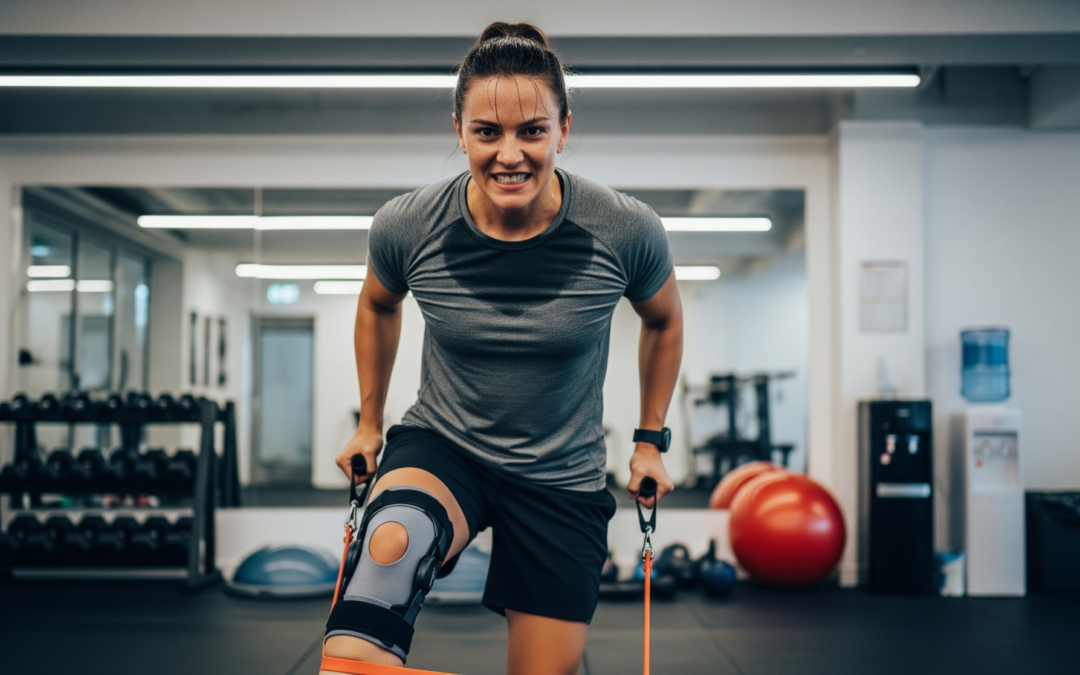
Injuries are an inevitable part of every athlete’s journey. Whether it’s a minor sprain or a season-ending ACL tear, the physical pain is often matched by emotional and psychological challenges. In a recent episode of the Rooted Sport Psychology Show, host Georgia Miller delivers a masterclass in resilience, offering seven actionable tips to help injured athletes not only survive but thrive during recovery.
This blog post dives deep into each of Georgia’s tips, providing nuanced, expert-backed advice to help you maintain motivation, structure, and a positive mindset throughout your rehabilitation. If you’re an athlete facing time on the sidelines, these strategies will empower you to come back stronger—mentally and physically.
1. Keep a Routine: Structure is Your Anchor
Why It Matters:
Injury disrupts the daily structure that sports provide. Without practices, games, and workouts, days can feel aimless, leading to negative thought spirals and a loss of motivation.
Actionable Strategies:
- Set Consistent Wake and Sleep Times:
Maintain your pre-injury schedule as much as possible. This helps regulate your circadian rhythm, which is crucial for both physical healing and mental health.
- Plan Your Day:
Use a planner or digital calendar to schedule rehab exercises, safe workouts, school or work, social time, and relaxation.
- Include Non-Sport Activities:
Fill the gaps left by training with activities that keep your mind engaged—reading, learning, or creative pursuits.
Expert Insight:
A structured routine provides a sense of normalcy and progress. Without it, you risk feeling stagnant, which can exacerbate feelings of frustration or depression.
2. Attend All Team Practices and Events: Stay Connected
Why It Matters:
Isolation is a common pitfall for injured athletes. Staying away from the team can intensify feelings of loneliness and disconnect you from your athletic identity.
Actionable Strategies:
- Show Up Physically:
Attend every practice, game, and team event, even if you can’t participate fully.
- Find Ways to Contribute:
- Cheer on teammates.
- Help with drills or equipment.
- Offer encouragement and support.
- Communicate with Coaches:
Let them know you want to stay involved and ask how you can help.
Expert Insight:
Your presence demonstrates commitment and character. It also reinforces your role as a valued team member, which is vital for your self-esteem and recovery mindset.
3. Focus on What You Can Do: Shift Your Mindset
Why It Matters:
It’s easy to dwell on limitations, but this only breeds frustration. Focusing on what’s possible keeps you proactive and empowered.
Actionable Strategies:
- Adapt Your Training:
- If you can’t use your legs, focus on upper body or core.
- Engage in physical therapy exercises diligently.
- Work on Mental Skills:
- Visualization and mental rehearsal.
- Studying game film or tactics.
- Improve Other Areas:
- Nutrition.
- Sleep hygiene.
- Flexibility or mobility (as allowed by your medical team).
Expert Insight:
Proactivity combats helplessness. Every small action you take is a step toward recovery and future performance.
4. Set New Weekly Goals: Celebrate Small Wins
Why It Matters:
Long-term injuries can make progress feel glacial. Breaking recovery into weekly goals provides motivation and a sense of achievement.
Actionable Strategies:
- Make Goals Specific and Measurable:
- “Bend my knee 10 degrees further.”
- “Walk 100 steps without crutches.”
- “Complete all rehab sessions this week.”
- Track Progress:
Use a journal or app to log achievements and setbacks.
- Celebrate Milestones:
Reward yourself for hitting targets, no matter how small.
Expert Insight:
Small wins release dopamine, boosting motivation and reinforcing positive behaviors. This approach keeps you focused on progress rather than setbacks.
5. Reflect on What the Injury Might Be Teaching You: Find Meaning
Why It Matters:
Injuries can be transformative, teaching lessons that extend far beyond sports—if you’re open to reflection.
Actionable Strategies:
- Ask Reflective Questions:
- What am I learning about myself?
- How am I growing in patience, resilience, or gratitude?
- Journal Your Thoughts:
Writing can help clarify insights and track your emotional journey.
- Be Patient with the Process:
Sometimes, the lessons only become clear in hindsight.
Expert Insight:
Reflection fosters personal growth and helps you reframe the injury as an opportunity, not just a setback.
6. Develop a New Hobby: Broaden Your Identity
Why It Matters:
When your identity is tied solely to your sport, injury can feel like losing a part of yourself. Exploring new interests helps you rediscover your value beyond athletics.
Actionable Strategies:
- Try Something New:
- Cooking, fishing, reading, journaling, or learning an instrument.
- Engage Socially:
Join clubs or groups unrelated to your sport.
- Set Non-Sport Goals:
Progress in a hobby can provide the same satisfaction as athletic achievements.
Expert Insight:
Diversifying your identity reduces the emotional impact of injury and enriches your life in unexpected ways.
7. Define Your New Role on the Team: Maintain Purpose
Why It Matters:
Losing your on-field role can feel like losing your purpose. Redefining your contribution keeps you connected and motivated.
Actionable Strategies:
- Identify Team Needs:
- Can you mentor younger players?
- Keep stats or manage equipment?
- Be the team motivator or morale booster?
- Embrace the Role Wholeheartedly:
Approach your new responsibilities with the same dedication you brought to your sport.
- Communicate with Coaches and Teammates:
Let them know you’re eager to help and ask for feedback.
Expert Insight:
Purpose is a powerful antidote to despair. By owning your new role, you stay invested in the team’s success and your own recovery.
Conclusion: Turning Setbacks into Comebacks
Injury is never easy, but it doesn’t have to define your athletic journey. By implementing these seven expert strategies, you can transform your recovery into a period of growth, learning, and renewed purpose. Remember, you are more than your injury—and with the right mindset and support, you’ll return to your sport stronger than ever.
Mistakes are an inevitable part of every athlete’s journey. Whether you’re a seasoned professional or a young competitor, errors on the field, court, or track are simply part of the game. But what truly separates high performers from the rest isn’t the absence of mistakes—it’s how they respond to them.
In a recent episode of the Rooted Sport Psychology Show, host Georgia Miller unpacks the psychology of mistakes in sports. Georgia shares actionable strategies and deep insights to help athletes reset after errors, maintain their confidence, and keep performing at their best.
Below, we break down the main themes and expert advice from the episode, offering a comprehensive guide for athletes, coaches, and parents who want to turn mistakes into opportunities for growth.
Why Mistakes Matter in Sports
Georgia opens the conversation by reframing mistakes: they’re not just unavoidable—they’re essential. Without mistakes, sports would lose their challenge, excitement, and unpredictability. The pursuit of perfection is a myth; the real goal is to compete, adapt, and grow.
Key Insight:
It’s not the mistake itself that defines you, but your response to it.
The Four Main Challenges Athletes Face After Mistakes
Georgia identifies four common pitfalls that athletes encounter when they struggle to move past their errors:
1. Dwelling on Mistakes
- What Happens: Athletes replay the error in their minds, losing focus on the present moment.
- Impact: This mental fixation disrupts performance, as attention shifts from the current play to the past.
- Expert Advice: Recognize when you’re stuck in the past. Use mindfulness techniques to bring your focus back to the present.
2. Self-Criticism
- What Happens: Negative self-talk and harsh internal judgments erode confidence.
- Impact: Emotional distress increases, and performance suffers.
- Expert Advice: Treat yourself with the same compassion you’d offer a teammate. Ask, “Would I say this to someone else?” If not, reframe your self-talk.
3. Trying to Fix Mistakes Mid-Game
- What Happens: Athletes attempt to correct technique or form during play, leading to overthinking.
- Impact: Muscle memory and instinctive play are disrupted, resulting in cautious, less effective performance.
- Expert Advice: Save technical adjustments for practice. In competition, trust your training and focus on the next play.
4. Increased Tension and Playing to Avoid Mistakes
- What Happens: Fear of making another mistake leads to tension and tightness.
- Impact: Athletes play conservatively, reducing their effectiveness and enjoyment.
- Expert Advice: Accept that mistakes are part of the process. Play freely and focus on what you can control.
Three Expert Strategies to Reset After Mistakes
Georgia offers three practical, research-backed strategies to help athletes reset and refocus after making a mistake:
1. Shift Your Focus to Your Teammates
Why It Works:
When you make a mistake, it’s easy to become self-absorbed and spiral into negative thinking. But your teammates aren’t focused on your error—they want you to move on and contribute.
How to Apply:
- Ask Yourself: “What do my teammates need from me right now?”
- Action Steps:
- Make eye contact with a teammate.
- Offer encouragement or communicate positively.
- Channel your energy into supporting the team’s next play.
Expert Insight:
Prioritizing the team over your own ego reduces the emotional weight of mistakes and helps you stay engaged in the game.
2. Use a Physical Reset Cue or Routine
Why It Works:
Physical actions can serve as powerful mental triggers. A reset cue helps you symbolically “let go” of the mistake and signals your brain to move forward.
How to Apply:
- Choose a Cue: Examples include adjusting your hat, slicking back your hair, tugging your shorts, or miming throwing something away.
- Make It Routine: Practice your reset cue during training so it becomes automatic in competition.
- Be Intentional: The action should be deliberate and meaningful to you.
Expert Insight:
A practiced physical cue gives you a sense of control and helps anchor your attention in the present moment.
3. Ask Yourself: “What Is the Most Important Thing Right Now?”
Why It Works:
This question shifts your focus from the past (the mistake) to the present (the next action). It’s a simple but powerful way to regain clarity and momentum.
How to Apply:
- Pause and Reflect: After a mistake, take a brief moment to ask, “What matters most right now?”
- Identify the Next Step: This could be getting back on defense, communicating with a teammate, or positioning yourself for the next play.
- Act Immediately: Channel your energy into the identified action.
Expert Insight:
Focusing on the next most important thing prevents overthinking and keeps you moving forward, both mentally and physically.
Building Your Personal Mistake-Reset Process
Georgia emphasizes that every athlete is unique. The key is to develop a personal process for handling mistakes—one that you can rely on under pressure.
Steps to Create Your Own Process:
- Reflect: Identify which of the four main challenges you struggle with most.
- Experiment: Try out different reset cues and strategies in practice.
- Practice: Make your reset routine a regular part of your training.
- Review: After games, assess what worked and what didn’t. Adjust as needed.
- Seek Support: Consider working with a sports psychologist or coach for personalized guidance.
Final Thoughts: Mistakes Are Opportunities
Mistakes are not the enemy—they’re opportunities for growth, learning, and resilience. By developing a reliable process to handle errors, you can maintain your confidence, support your team, and keep performing at your best.
For more expert insights and practical strategies, listen to the full episode of the Rooted Sport Psychology Show.
Want Personalized Help?
Georgia offers free consultations for athletes looking to develop their own mistake-reset process. Reach out via her website or email for tailored support.
Don’t let mistakes define your game—let your response set you apart.
Transitioning out of a sports career is one of the most significant—and often daunting—life changes an athlete can face. Whether you’re nearing the end of your athletic journey, have already retired, or are just beginning to consider what comes next, the uncertainty of life after sport can bring up anxiety, fear, and a host of difficult questions:
- Who am I without my sport?
- What will my daily life look like?
- How do I find purpose and direction beyond the field, court, or track?
In a recent episode of the Rooted Sport Psychology Show, I (Georgia Miller) addressed these very concerns, offering a roadmap for athletes to transition with confidence, purpose, and clarity. Drawing from my experience working with athletes at all levels, I’ve developed a six-step process to help you navigate this pivotal moment in your life. Below, I break down each step in detail, providing actionable advice, expert insights, and practical recommendations to guide you through this transition.
1. Acknowledge the Challenges of Life After Sport
Why This Matters:
Ignoring the emotional and practical challenges of retirement only amplifies anxiety. Facing them head-on is the first step toward a healthy transition.
Common Challenges:
- Loss of Identity: Many athletes define themselves by their sport. When that ends, it can feel like losing a part of yourself.
- Loss of Routine and Structure: Sports provide a built-in schedule. Without it, days can feel aimless.
- Missing Competition: The thrill of competition is hard to replicate elsewhere.
- Social Disconnection: Teams often become a second family; leaving can feel isolating.
Actionable Advice:
- Self-Reflection: Take time to write down which challenges resonate most with you. Naming your fears reduces their power.
- Normalize the Struggle: Understand that these feelings are common and do not mean you’re failing at transitioning.
- Plan Proactively: Just as you train for competition, prepare for this transition. Having a plan can actually enhance your current performance by reducing future anxiety.
Expert Insight:
Planning for life after sport doesn’t mean you’re less committed to your current career—it means you’re investing in your long-term well-being.
2. Identify Your Transferable Skills
Why This Matters:
Your athletic career has equipped you with a unique set of skills that are highly valued in the workplace and beyond.
Key Transferable Skills:
- Discipline and Work Ethic: Years of training and commitment.
- Leadership: Experience as a team captain or motivator.
- Resilience: Bouncing back from setbacks and injuries.
- Performance Under Pressure: Thriving in high-stakes situations.
- Teamwork and Communication: Collaborating with diverse personalities.
Actionable Advice:
- Inventory Your Skills: List out all the qualities and abilities you’ve developed through sport.
- Gather Evidence: Think of specific examples—times you led a team, overcame adversity, or solved problems under pressure.
- Reframe Your Experience: Remember, you’re not starting from scratch. You’re building on a strong foundation.
Expert Insight:
Employers and organizations value the mindset and habits athletes bring. Recognizing your own worth is the first step to communicating it to others.
3. Apply Your Skills to Real-Life Scenarios
Why This Matters:
Knowing your skills is one thing; learning to use them outside of sport is another.
How to Apply Your Skills:
- Job Interviews: Use stories from your athletic career to demonstrate leadership, resilience, and teamwork.
- Problem-Solving: Approach new challenges with the same strategic mindset you used in competition.
- Coping with Uncertainty: Trust your ability to adapt, just as you did when facing unexpected setbacks in sport.
Actionable Advice:
- Practice Scenarios: Role-play interviews or networking situations where you highlight your athletic skills.
- Reflect with Gratitude: Instead of focusing on loss, appreciate what sport has given you and how it prepares you for new challenges.
- Seek Feedback: Ask mentors or coaches how they see your strengths translating to other fields.
Expert Insight:
Transitioning is uncomfortable, but your adaptability as an athlete is your greatest asset. Trust in your ability to learn and grow.
4. Find Perspective and Recognize Your Support Systems
Why This Matters:
Perspective shifts and strong support networks are crucial for emotional resilience during transition.
How to Gain Perspective:
- Acknowledge Loss, Then Shift Focus: Allow yourself to grieve, but also ask, “What am I gaining?”—more time, new opportunities, deeper relationships.
- Stay Connected: Maintain relationships with teammates, coaches, and mentors. They can offer support and honest feedback.
- Build a New Team: Identify friends, family, or professionals who can be your support system.
Actionable Advice:
- Map Your Network: Write down who you can turn to for advice, encouragement, or just a listening ear.
- Communicate Openly: Don’t be afraid to ask for help. Vulnerability is a strength, not a weakness.
- Join Alumni or Athlete Transition Groups: These communities understand your experience and can offer guidance.
Expert Insight:
The strongest athletes are those who seek support. You don’t have to go through this alone—lean on your community.
5. Explore Career Options and Practice Patience
Why This Matters:
The pressure to have everything figured out immediately is unrealistic and counterproductive. Exploration is part of the process.
How to Explore:
- Try New Things: Take internships, volunteer, or shadow professionals in fields of interest.
- Assess Your Interests and Strengths: Use career assessments or workbooks to clarify what excites you.
- Accept Stepping Stones: Your first job after sport may not be your dream job, and that’s okay.
Actionable Advice:
- Set Small Goals: Focus on learning and growth rather than immediate success.
- Stay Curious: Approach new opportunities with an open mind.
- Be Patient: Give yourself grace as you navigate uncertainty. Remember, you didn’t have all the answers when you started your athletic career either.
Expert Insight:
Uncertainty is not failure. It’s a natural part of growth. Use this time to discover what truly motivates and fulfills you.
6. Establish New Routines for Physical and Mental Health
Why This Matters:
Athletes thrive on structure. Without it, both physical and mental health can suffer.
How to Build New Routines:
- Exercise: Find activities you enjoy—no more mandatory drills or exercises you hate.
- Nutrition: Adjust your eating habits to match your new activity level and health goals.
- Mental Health: Incorporate mindfulness, journaling, or therapy into your routine.
Actionable Advice:
- Audit Your Old Routines: Identify which habits served you well and which you’re ready to leave behind.
- Experiment: Try new forms of movement or wellness practices until you find what fits.
- Prioritize Consistency: Even a simple daily routine can provide stability and confidence.
Expert Insight:
You have the freedom to design routines that support your well-being. This is your chance to create a lifestyle that energizes and sustains you.
Final Thoughts: This Is a Beginning, Not an End
Your athletic career has prepared you for so much more than you realize. The lessons, skills, and resilience you’ve developed are the foundation for a fulfilling life beyond sport. This transition is not an ending—it’s a bridge to your next chapter.
If you’re seeking guidance, support, or practical tools to navigate this journey, I invite you to listen to the full episode and explore the new program available on my website. You can also reach out for a free consultation or access the workbook designed to help you through each step of this process.
You are more ready than you think.
Overthinking is one of the most common—and most disruptive—mental challenges athletes face. Whether you’re a basketball player worried about turnovers or a tennis player second-guessing your swing, overthinking can sabotage your performance by pulling your focus away from the present moment and flooding your mind with doubts and worries.
In this episode of the Rooted Sport Psychology Show, host Georgia Miller dives deep into why overthinking happens, how it shows up in real sports scenarios, and—most importantly—what you can do to break the cycle. Drawing on years of experience working with athletes, Georgia shares four practical, actionable strategies to help you simplify your mental game and perform at your best.
Below, we’ll break down each tip in detail, offering nuanced insights and expert advice to help you put these strategies into practice.
Why Do Athletes Overthink?
Before we get to the solutions, it’s important to understand the problem. Overthinking often stems from:
- Fear of mistakes: Worrying about messing up or letting others down.
- Outcome anxiety: Focusing on what might happen in the future rather than what’s happening now.
- Self-doubt: Second-guessing your technique, decisions, or abilities.
- External pressures: Concerns about coaches, parents, or spectators.
Real-life examples:
- A basketball player who just made a turnover starts obsessing over every detail—dribbling, hand position, coach’s reaction—rather than moving on to the next play.
- A tennis player who hits two balls out of bounds begins to overanalyze their form, footwork, and swing, overriding years of muscle memory.
The result? You lose sight of the game unfolding in front of you, and your natural instincts are replaced by a flood of distracting thoughts.
1. Be Adaptable: Focus on Solutions, Not Judgments
Key Insight:
Adaptability is about responding to challenges in the moment, not getting stuck in self-criticism or frustration.
Why it matters:
When you dwell on mistakes or unfair situations, you waste mental energy and lose your competitive edge. Adaptable athletes stay engaged, problem-solve, and keep moving forward.
How to practice adaptability:
- Shift from judgment to action:
- Instead of thinking, “I can’t believe I messed up,” ask, “What can I do right now to help my team?”
- Embrace the unexpected:
- If you’re double-teamed in basketball, don’t fixate on the pressure—look for passing lanes or opportunities to drive.
- If your first serve in tennis is off, don’t try to overhaul your technique mid-match. Use your second serve and adjust your tactics.
- Stay present:
- Focus on the next play, not the last mistake.
Expert tip:
Think of adaptability as a muscle. The more you practice responding to challenges with curiosity and flexibility, the stronger your mental game becomes.
2. Talk to Yourself Like a Great Coach
Key Insight:
Your inner voice can be your biggest ally—or your harshest critic. The way you talk to yourself shapes your confidence and focus.
Why it matters:
Negative self-talk (“I always mess up,” “I’m not good enough”) fuels anxiety and overthinking. Positive, assertive self-talk helps you reset and refocus.
How to coach yourself:
- Be specific and constructive:
- Instead of vague criticism, give yourself clear, actionable feedback. (“Keep your eyes up,” “Focus on your follow-through.”)
- Encourage, don’t berate:
- Imagine how a great coach would speak to you after a mistake—firm, supportive, and focused on solutions.
- Interrupt the critic:
- When you catch yourself spiraling, use a phrase like, “Knock it off—next play!” to break the cycle.
Expert tip:
Practice self-talk in training, not just in games. The more you rehearse positive coaching language, the more automatic it becomes under pressure.
3. Narrow Your Visual Focus: Control Your Gaze, Control Your Mind
Key Insight:
Where your eyes go, your attention follows. Scanning the crowd or looking at distractions pulls you out of the moment.
Why it matters:
A scattered gaze leads to a scattered mind. By narrowing your visual focus, you anchor yourself in the present and block out distractions.
How to narrow your focus:
- Identify your “performance zone”:
- In basketball, keep your eyes between the lines—on the court, your teammates, and the ball.
- In tennis, focus on the ball and your opponent, not the stands or the scoreboard.
- Use visual cues:
- Before a play, pick a spot or object to focus on to center yourself.
- Avoid unnecessary scanning:
- Resist the urge to look at parents, coaches, or the crowd during competition.
Expert tip:
If you catch your eyes wandering, gently bring them back to your performance zone. This simple act can quickly reset your concentration.
4. Write Down Rational Reminders: Use a Reset Card
Key Insight:
When emotions run high, it’s easy to forget what you know. A written “reset card” grounds you in your rational, prepared mindset.
Why it matters:
Having a tangible reminder helps you break the cycle of overthinking and return to your core cues and intentions.
How to use a reset card:
- Create your card before competition:
- Write down 2-3 key reminders, cues, or phrases that help you refocus. Examples:
- “Trust your training.”
- “Next play, next point.”
- “Breathe and compete.”
- Keep it accessible:
- Store it in your bag, pocket, or wristband—somewhere you can easily reach during breaks.
- Use it when needed:
- When you feel overwhelmed, take a moment to read your card and reset.
Expert tip:
Update your reset card as you grow. Add new cues or reminders that resonate with your current challenges and goals.
Bringing It All Together
Overthinking is a normal part of sports, but it doesn’t have to control your game. By practicing adaptability, coaching yourself positively, narrowing your visual focus, and using written reminders, you can simplify your mental approach and unlock your best performance.
Summary of the four strategies:
- Adapt, don’t judge.
- Talk to yourself like a great coach.
- Keep your eyes focused and narrow your gaze.
- Use a written reset card to ground yourself.
If you’re ready to take your mental game to the next level, listen to the full episode of the Rooted Sport Psychology Show for more insights and practical advice from Georgia Miller.
By Georgia Miller, Host of the Rooted Sport Psychology Show
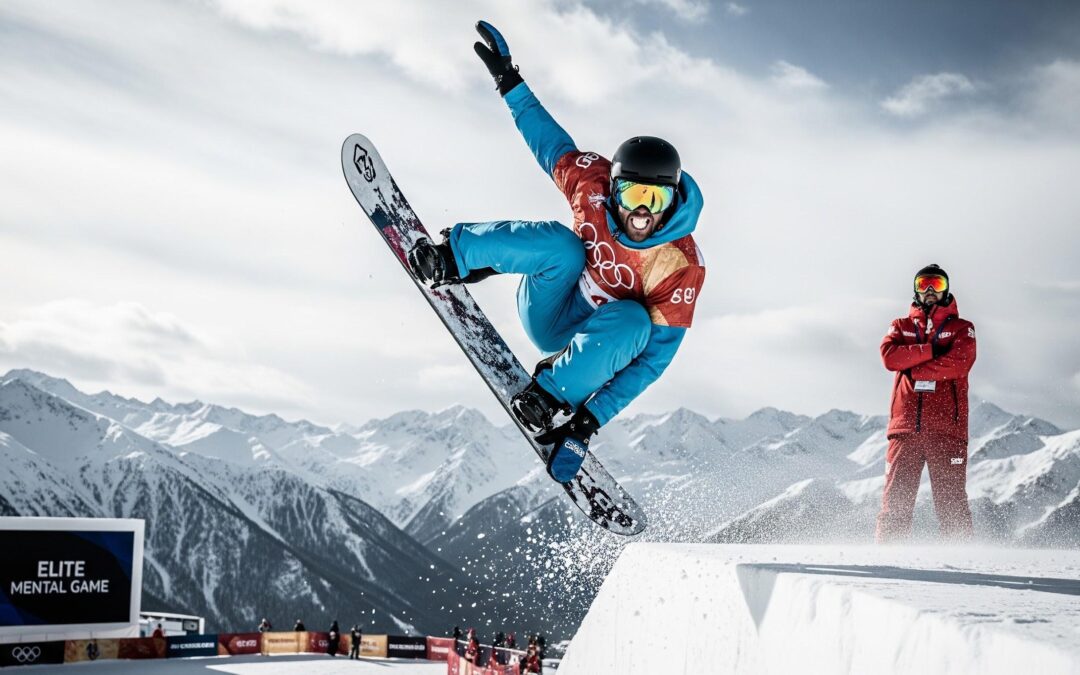
The Winter Olympics are a global celebration of athletic excellence, but if you’re an athlete, coach, or performer, there’s so much more to gain than just entertainment or national pride. In a recent episode of the Rooted Sport Psychology Show, I shared a fresh perspective on how to watch the Olympics—not just as a fan, but as a student of elite performance. By tuning into the subtle, often-overlooked moments, you can unlock powerful lessons to elevate your own mindset, preparation, and resilience.
Below, I break down the four key areas to focus on, offering actionable advice and deep insights to help you get the most out of your Olympic viewing experience.
1. Post-Competition Interviews: The Window Into Mindset and Values
What to Watch For
- Who do athletes credit for their success?
- Do they acknowledge coaches, teammates, family, or support staff?
- Or do they focus solely on themselves?
- Emotional responses
- Are they tearful, stoic, overwhelmed, or struggling to articulate their feelings?
- How do they process the culmination of years of effort in a single moment?
Why It Matters
Post-competition interviews are more than just soundbites—they’re a raw, unfiltered look at the athlete’s mindset, values, and emotional regulation. Athletes who recognize their support systems tend to be more grounded and resilient. This humility and gratitude often translate into better long-term performance and well-being.
Actionable Takeaways
- Reflect on your own support system. Who do you rely on? How do you show appreciation?
- Practice emotional awareness. Notice how top athletes handle both triumph and disappointment. How do you process your own highs and lows?
- Adopt a growth mindset. Recognize that no one achieves greatness alone. Embrace feedback and support as essential to your journey.
Expert Insight
“No one gets to the Olympic stage alone. Athletes who appreciate their support systems are more emotionally regulated and resilient under pressure.”
— Georgia Miller, Rooted Sport Psychology Show
2. Pre-Competition Routines: Discovering Your Optimal Preparation
What to Watch For
- Variety of routines
- Music, visualization, meditation, prayer, team huddles, or lucky charms
- Energy management
- Some athletes hype themselves up; others seek calm and focus
- Personalization
- Each routine is unique—there’s no one-size-fits-all approach
Why It Matters
Pre-competition routines are about finding what helps you feel most prepared, confident, and grounded. Copying someone else’s ritual rarely works; the key is to discover what aligns with your personality and performance needs.
Actionable Takeaways
- Experiment with different routines. Try music, visualization, breathing exercises, or quiet reflection to see what works for you.
- Identify your optimal energy level. Do you perform best when calm or energized? Tailor your routine accordingly.
- Make it enjoyable and authentic. Your routine should feel natural, not forced. It’s about grounding yourself, not ticking off a checklist.
Expert Insight
“Performance isn’t about copying what works for someone else—it’s about discovering your own optimal energy level and what helps you feel ready.”
— Georgia Miller
3. Body Language: The Silent Communicator of Confidence and Resilience
What to Watch For
- Pre-competition posture
- Are athletes standing tall and confident, or withdrawn and tense?
- Responses to mistakes
- Do they recover quickly, or do they dwell on errors?
- Interactions with teammates
- Are they supportive and engaged, even when things go wrong?
- Between plays or runs
- How do they carry themselves in the “in-between” moments?
Why It Matters
Body language is a powerful indicator of an athlete’s internal state. It communicates confidence, composure, and resilience—not just to others, but to yourself. Elite athletes use body language to project and reinforce their belief in themselves, especially under pressure.
Actionable Takeaways
- Practice confident posture. Shoulders back, head up, relaxed but alert.
- Develop recovery routines. After mistakes, use a physical cue (like a deep breath or a reset gesture) to move forward.
- Stay engaged with teammates. Support others, even when you’re struggling. It builds team resilience and keeps you connected.
Expert Insight
“Elite performance isn’t just about skill—it’s about how you present yourself, especially when things don’t go perfectly.”
— Georgia Miller
4. Bonus: Athlete-Coach Interactions—The Foundation of Growth and Maturity
What to Watch For
- Communication under pressure
- Are athletes making eye contact, listening, and staying open to feedback?
- Respect and composure
- How do they respond to coaching, especially after setbacks?
- Relationship dynamics
- Is there mutual trust and respect, even in high-stress moments?
Why It Matters
The athlete-coach relationship is a cornerstone of long-term success. Athletes who remain coachable, communicative, and composed under pressure demonstrate maturity and a growth mindset. These qualities are often what separate good athletes from great ones.
Actionable Takeaways
- Stay open to feedback. Even when emotions run high, listen and respond thoughtfully.
- Build strong relationships. Trust and respect with your coach (and teammates) are essential for growth.
- Model composure. How you handle tough conversations says as much about your potential as your performance does.
Expert Insight
“The best athletes aren’t those who never face struggles—they’re the ones who can stay connected, communicative, and composed when the stakes are highest.”
— Georgia Miller
Final Thoughts: Watch the Olympics With a New Lens
This Winter Olympics, don’t just watch for the medals and highlight reels. Look for the moments in between—the interviews, the rituals, the body language, and the coach-athlete dynamics. These are the real lessons in elite performance, and they’re available to anyone willing to observe and learn.
By applying these insights, you can develop a stronger mindset, better preparation habits, and a more resilient approach to your own sport or performance arena.
If you found these tips helpful, please share this post and the Rooted Sport Psychology Show episode with an athlete, parent, or coach who could benefit from a new way of seeing the game.