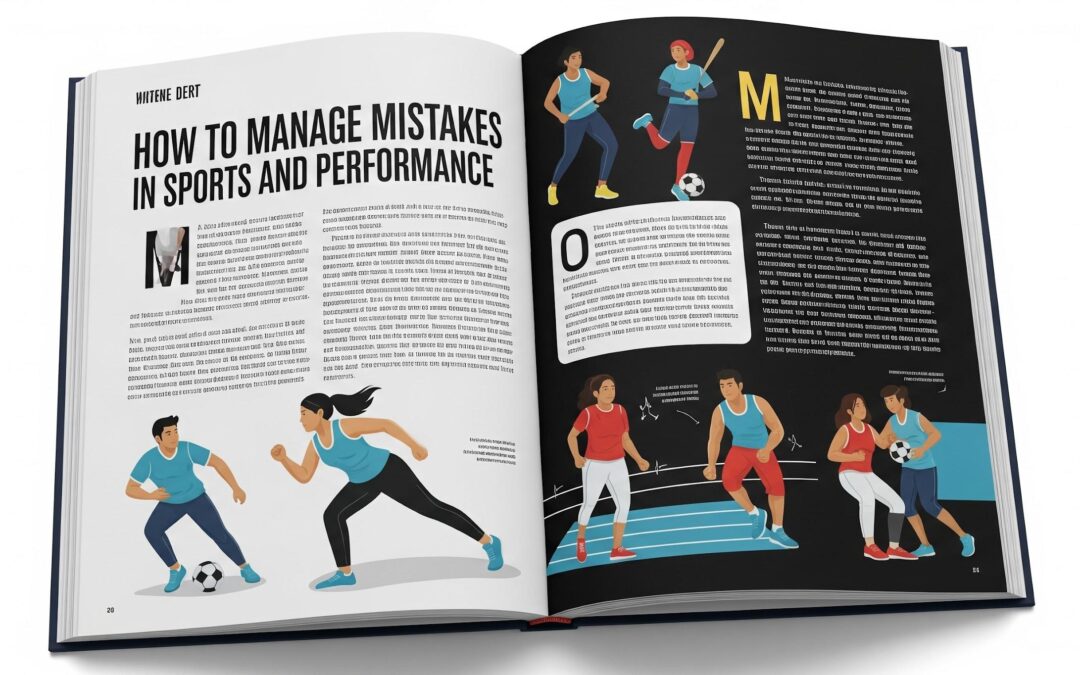
Mistakes are an inevitable part of sports and performance. Whether you’re an elite athlete, a weekend warrior, or a performer in any field, how you handle errors can make or break your experience and results. In a recent episode of the Rooted Sports Psychology Podcast, host Georgia Miller dives deep into the art of managing mistakes, offering actionable strategies and expert insights to help athletes and performers not just survive their errors, but use them as stepping stones to greater composure and success.
In this comprehensive guide, we’ll break down Georgia’s main points, expand on her expert advice, and provide you with practical tools to transform your relationship with mistakes. If you’re ready to elevate your mental game, read on.
Why Managing Mistakes Matters
Before we dive into the strategies, it’s important to understand why mistake management is so crucial:
- Mistakes are universal: Everyone makes them, from athletes to chefs to business professionals.
- Fear of mistakes leads to cautious play: Trying to avoid errors at all costs creates tension, timidity, and a lack of enjoyment.
- How you respond is what counts: The difference between average and elite performers often lies in their ability to recover and refocus after setbacks.
1. Accept Your Mistakes—Without Judgment
The Power of Acceptance
Acceptance is the first and most critical step. This doesn’t mean you’re happy about making a mistake or that you’re excusing poor performance. Instead, it’s about acknowledging reality without harsh self-judgment.
Why Acceptance Works:
- Keeps you present: Ruminating on mistakes traps you in the past, pulling your focus away from the next play or performance.
- Reduces emotional volatility: Acceptance helps you avoid spiraling into frustration, anger, or self-criticism.
- Sets the stage for learning: You can analyze and learn from mistakes later, but in the moment, acceptance is about moving forward.
Real-World Example: Georgia shares the story of a golfer who slices a shot into the woods. If the golfer obsesses over the error, they lose composure and focus, making recovery harder. Acceptance allows for a mental reset, enabling a better next shot.
Actionable Advice:
- Notice your self-talk: Are you berating yourself after a mistake? Practice replacing harsh thoughts with neutral observations (“That happened. Let’s move on.”).
- Use a physical cue: Some athletes tap their leg or take a deep breath as a signal to accept and reset.
- Delay analysis: Commit to reviewing mistakes after the game or practice, not during.
2. Work With Your Mistakes, Not Against Them
Shifting Your Mindset
Mistakes are not the enemy—they’re part of the process. The key is to work with them, using each error as an opportunity to demonstrate resilience and adaptability.
How to Work With Mistakes:
- Set a response goal: Instead of focusing on avoiding mistakes, focus on how quickly and effectively you can recover.
- Model composure: Georgia encourages athletes to aim to be the best at moving on from mistakes, not just the best at avoiding them.
- Team benefits: When you recover quickly, you set a positive example and help maintain team morale.
Practical Example: A quarterback throws an interception. Instead of sulking or blaming, he acknowledges the error, stands tall, and prepares for the next play. The real work—analyzing and correcting—happens after the game, not in the heat of the moment.
Actionable Advice:
- Create a “reset routine”: Develop a short, repeatable process (e.g., deep breath, positive cue word, physical gesture) to use after mistakes.
- Track your responses: Keep a journal of how you respond to errors and look for patterns to improve.
- Celebrate quick recoveries: Make it a point to notice and reward yourself (or teammates) for bouncing back, not just for flawless execution.
3. Write Out Your Responses: The Power of a Plan
Why a Written Plan Works
When emotions run high, it’s easy to fall back on old habits. Having a written, rehearsed plan for how you want to respond to mistakes gives you a roadmap to follow under pressure.
How to Create Your Response Plan:
- Identify triggers: What types of mistakes or situations set you off? (e.g., missed shots, bad calls, turnovers)
- Visualize your ideal response: How would a confident, composed athlete react?
- Write it down: Be specific. For example, “If I miss a shot, I will take a deep breath, say ‘reset,’ and focus on the next play.”
- Practice in training: Rehearse your response plan until it becomes second nature.
Real-World Examples:
- Hockey player: Instead of showing attitude when receiving feedback, he practices saying, “Okay, coach, thank you,” making eye contact, and returning to the bench calmly.
- Golfers’ reset card: A physical card with written reminders and cues to help reset after a bad shot or anxious moment.
Actionable Advice:
- Create your own “reset card”: Write down your cues, reminders, or mantras and keep them accessible during games or performances.
- Role-play scenarios: Practice your response plan with a coach or teammate in simulated high-pressure situations.
- Review and refine: After competitions, reflect on what worked and adjust your plan as needed.
Bonus Tip: Let Go of Others’ Opinions
Free Yourself from External Pressure
One of the biggest barriers to moving on from mistakes is the fear of judgment from others—coaches, teammates, parents, or spectators. Georgia reminds us that most people are too focused on their own experiences to dwell on your errors.
Key Insights:
- You’re your own harshest critic: Others are likely thinking about their own mistakes or challenges.
- Remind yourself often: It’s okay to repeat this truth to yourself during games or performances.
Actionable Advice:
- Develop a mantra: “I play for myself, not for others’ approval.”
- Refocus on your process: Shift attention from external opinions to your own goals and growth.
- Limit social comparison: Avoid dwelling on what others might be thinking; stay anchored in your own experience.
Recap: Your Roadmap to Managing Mistakes
Here’s a quick summary of Georgia Miller’s expert strategies:
- Accept mistakes without judgment: Stay present and avoid self-criticism.
- Work with mistakes, not against them: Focus on your response and recovery.
- Write out your responses: Have a clear, practiced plan for handling errors.
- Bonus: Don’t worry about what others think—most people are focused on themselves.
Final Thoughts: Make Mistake Management Your Superpower
Mistakes are not just obstacles—they’re opportunities to build resilience, composure, and confidence. By accepting errors, working with them, and having a clear response plan, you can transform your mental game and elevate your performance.
If you’re ready to take your mindset to the next level, consider reaching out for one-on-one coaching. Georgia Miller offers personalized support to help you master these skills and more.
By Georgia Miller, Host of the Rooted Sport Psychology Podcast
Adaptability isn’t just a buzzword in sports psychology—it’s the cornerstone of athletic excellence. In a recent episode of the Rooted Sport Psychology Podcast, I, Georgia Miller, break down why adaptability is the most important trait for athletes and performers, and how you can cultivate it to elevate your game, both on and off the field.
Below, I’ll dive deep into the main themes and actionable tips from the episode, providing you with expert insights and practical strategies to help you thrive in the face of uncertainty.
Why Adaptability Matters More Than Talent or Routine
Every athlete faces uncontrollable situations: weather delays, equipment malfunctions, unexpected injuries, or even a bus breaking down on the way to a game. While talent and preparation are crucial, your ability to adapt in the moment is what separates good athletes from great ones.
Key Insight:
“Anyone can be confident when they’re playing great and everything is going their way. That’s easy. The best athletes are the ones who can adapt and find a way to succeed even when circumstances aren’t in their favor.”
The Trap of Judging vs. The Power of Adjusting
Judging: The Mental Roadblock
- What it looks like:
- Complaining about unfair situations
- Dwelling on what “should have been”
- Overthinking and losing composure
- Why it’s harmful:
- Keeps you stuck in the past
- Drains mental energy
- Prevents you from finding solutions
Adjusting: The Path Forward
- What it looks like:
- Accepting the situation as it is
- Focusing on what you can control
- Taking action to move forward
- Why it’s powerful:
- Restores your sense of control
- Keeps you present and solution-focused
- Builds resilience and confidence
Expert Tip:
When you catch yourself judging a situation, pause and ask: “What can I do right now to move forward?” This simple shift in mindset is the foundation of adaptability.
Real-World Examples: Adaptability in Action
1. The College Pitcher and the Broken-Down Bus
Scenario:
A college baseball pitcher’s team bus breaks down, slashing his usual 60-minute warm-up to just 20 minutes.
Adaptable Response:
- He doesn’t dwell on the lost time.
- He modifies his warm-up to fit the new time constraint.
- He focuses on getting his arm loose and mentally preparing to pitch.
Takeaway:
Routines are valuable, but flexibility is essential. When circumstances change, adapt your preparation to what’s possible, not what’s ideal.
Actionable Advice:
- Identify the essentials: In a time crunch, focus on the most critical parts of your routine.
- Practice “what-if” scenarios: Occasionally simulate disruptions in practice to build adaptability muscles.
2. The Double-Teamed Shooting Guard
Scenario:
A basketball shooting guard, known for scoring, faces a double team every time she gets the ball.
Adaptable Response:
- She doesn’t complain about the defense.
- She shifts her focus to passing, moving without the ball, and setting screens.
- She creates opportunities for her teammates, turning a challenge into a team advantage.
Takeaway:
Adaptability means seeing obstacles as opportunities. When your usual strengths are neutralized, find new ways to contribute.
Actionable Advice:
- Expand your skill set: Regularly practice different roles and scenarios in training.
- Embrace feedback: Use challenges as data to refine your approach, not as personal setbacks.
3. Everyday Adaptability: The Flat Tire Analogy
Scenario:
You get a flat tire on the way to an important event.
Adaptable Response:
- You don’t waste time lamenting your bad luck.
- You change the tire or call for help and get back on your way.
Takeaway:
Adaptability isn’t just for sports—it’s a life skill. The faster you move from frustration to action, the sooner you regain control.
Actionable Advice:
- Develop a solution-oriented mindset: When faced with setbacks, immediately brainstorm possible solutions.
- Reflect on past successes: Remind yourself of times you’ve adapted well to boost your confidence in future challenges.
How to Build Adaptability: Practical Strategies
1. Practice Mindful Acceptance
- Acknowledge what’s happening without judgment.
- Use grounding techniques (deep breathing, body scans) to stay present.
- Remind yourself: “This is the situation. What’s my next best move?”
2. Reframe Setbacks as Opportunities
- Ask: “What can I learn from this?”
- Look for ways the challenge can make you or your team stronger.
- Celebrate creative solutions, not just perfect outcomes.
3. Simulate Uncertainty in Training
- Occasionally disrupt routines on purpose (e.g., change warm-up times, switch positions).
- Debrief after: What worked? What was hard? How did you adapt?
4. Develop a Toolbox of Coping Skills
- Visualization: Picture yourself handling unexpected situations calmly.
- Self-talk: Use affirmations like “I can handle whatever comes my way.”
- Support network: Lean on coaches and teammates for perspective and advice.
Expert Recommendations for Coaches and Teams
- Normalize unpredictability: Make it clear that change and uncertainty are part of the game.
- Reward adaptability: Recognize and praise athletes who adjust well, not just those who perform perfectly.
- Foster open communication: Encourage athletes to share challenges and brainstorm solutions together.
Final Thoughts: Adjust, Don’t Judge
Adaptability is the ultimate competitive edge. Whether you’re an athlete, coach, or performer, your ability to adjust to curveballs—on the field or in life—will determine your long-term success.
Remember:
- Judging keeps you stuck.
- Adjusting moves you forward.
This week, challenge yourself to notice when you’re judging a situation and consciously shift to adjusting. You’ll be amazed at how much more empowered and effective you feel.
Want to go deeper?
For personalized coaching on building adaptability and mental toughness, visit my website (www.rootedsportpsychcoach.com) or reach out via email ([email protected]).
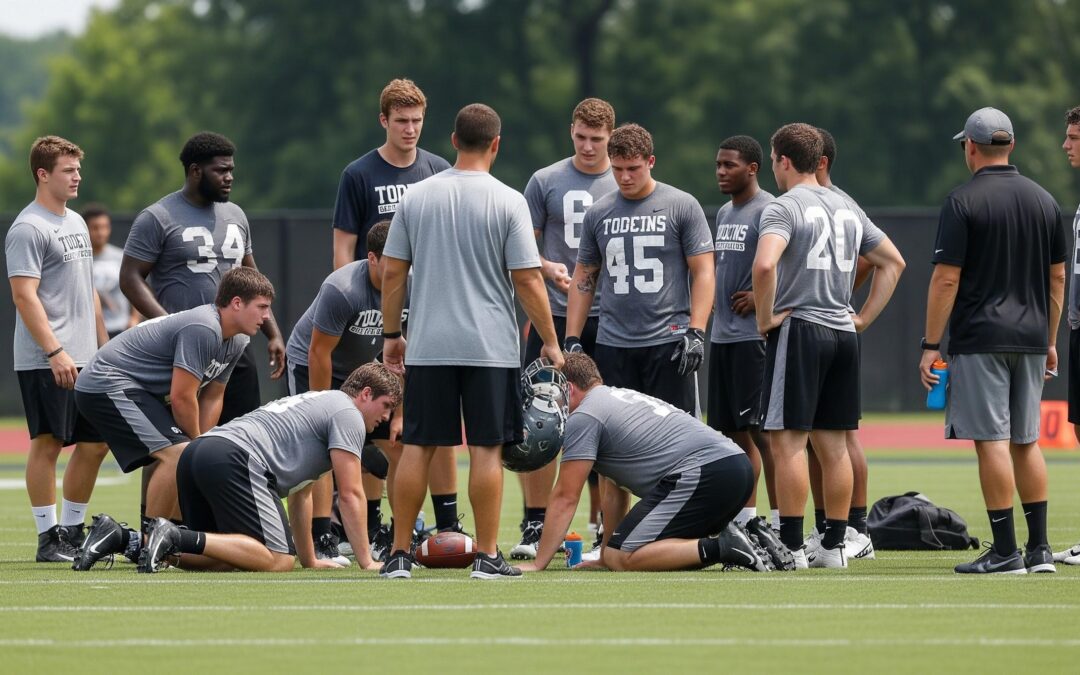
Preseason camp is a defining experience for college and professional athletes. It’s a time of intense physical demands, mental challenges, and the forging of lifelong bonds. But for many athletes—especially freshmen—camp can also be a source of anxiety, uncertainty, and “what if” worries. In a recent episode of the Rooted Sport Psychology Podcast, host Georgia Miller and her brother, former Michigan State football player Grayson Miller, shared a wealth of actionable advice and personal insights to help athletes prepare for camp both physically and mentally.
This comprehensive guide distills their expert advice, breaking down each tip in detail and offering nuanced, actionable strategies for athletes at every level. Whether you’re a first-year college player or a seasoned veteran, these insights will help you approach camp with confidence, resilience, and a positive mindset.
1. Managing Pre-Camp Anxiety: Focus on What You Can Control
Key Insight:
Anxiety before camp is normal—especially for first-timers. The unknowns, the “what ifs,” and the pressure to perform can be overwhelming. Grayson Miller described his freshman summer as “the most anxiety-filled time of my life,” filled with uncertainty about what to expect.
Actionable Strategies:
- Acknowledge Your Nerves: Recognize that feeling anxious is a universal experience among athletes. You’re not alone.
- Channel Nervous Energy: Instead of letting anxiety paralyze you, use it as motivation to prepare in areas you can control—your fitness, nutrition, and sleep.
- Limit “What If” Scenarios: When your mind spirals into hypothetical worries, gently redirect your focus to the present and actionable steps.
- Establish a Pre-Camp Routine: Even a simple daily structure can provide a sense of stability and reduce anxiety.
Expert Tip:
“When you’re anxious, it’s usually because you feel unprepared. The only thing I could control was my physical preparation.” — Grayson Miller
2. Physical Preparation: Building a Foundation for Success
Key Insight:
Physical readiness is the cornerstone of camp success. The demands of two-a-day practices, meetings, and constant movement require athletes to be in peak condition.
Actionable Strategies:
- Prioritize Consistent Training: Maintain a regular workout schedule throughout the summer. Focus on both strength and conditioning.
- Ramp Up Intensity Gradually: Avoid drastic increases in workload right before camp to prevent injury.
- Address Weaknesses: If you’re recovering from an injury, work closely with trainers to ensure you’re as healthy as possible.
- Simulate Camp Demands (When Possible): While you can’t fully replicate camp, include some high-intensity intervals, agility drills, and position-specific work in your training.
Expert Tip:
“It’s definitely better to go in overprepared than underprepared. Camp is brutal on your body the first time through.” — Grayson Miller
3. Nutrition and Sleep: The Unsung Heroes of Performance
Key Insight:
Proper nutrition and quality sleep are often overlooked but are critical for recovery, energy, and mental clarity.
Actionable Strategies:
- Eat for Performance, Not Just Size: Not every athlete needs to bulk up before camp. Focus on balanced meals that fuel your training and recovery.
- Increase Caloric Intake During Camp: The workload will naturally require more calories—listen to your body and adjust as needed.
- Prioritize Sleep: Aim for 8+ hours per night. Good sleep supports muscle repair, cognitive function, and emotional regulation.
- Minimize Distractions: Reduce late nights, screen time, and other activities that can interfere with rest and recovery.
Expert Tip:
“My goal was to feel great every day and keep my mind as clear as possible because I was filled with so much anxiety and uncertainty about what was coming.” — Grayson Miller
4. Balancing Training and Relaxation During Summer
Key Insight:
It’s possible—and beneficial—to balance hard training with relaxation and family time during summer vacations.
Actionable Strategies:
- Stay Active, Even on Vacation: Short, daily workouts (20–30 minutes) are enough to maintain conditioning. Sprints, hill runs, or bodyweight circuits work well.
- Involve Family and Friends: Training with others increases accountability and makes workouts more enjoyable.
- Don’t Stress About Perfection: Missing a day or two won’t derail your progress. The mental break can actually enhance recovery and motivation.
- Use Mornings for Activity: Get your workout done early, then enjoy the rest of the day guilt-free.
Expert Tip:
“Do something active each morning. You don’t need a full training session—just put on your shoes, do some stretching, a dynamic warmup, maybe some jumping jacks, then go for a jog or do sprints.” — Grayson Miller
5. The Power of Routine and Accountability
Key Insight:
Establishing a routine and having accountability partners can ease anxiety and improve consistency.
Actionable Strategies:
- Set a Daily Schedule: Even a loose routine (wake up, train, eat, relax) can provide structure and reduce stress.
- Find an Accountability Buddy: Pair up with a teammate or friend to check in on workouts, nutrition, and mental preparation.
- Share the Experience: Knowing others are going through the same challenges builds camaraderie and motivation.
Expert Tip:
“Having that accountability partner makes it easier to stay consistent. That shared experience helped ease the anxiety because you knew you weren’t alone.” — Georgia Miller
6. Embracing the Camp Experience: Camaraderie and Growth
Key Insight:
Camp is about more than just physical preparation—it’s a unique environment that fosters deep bonds and personal growth.
Actionable Strategies:
- Look Forward to Team Bonding: Living, training, and relaxing with teammates creates memories and friendships that last a lifetime.
- Embrace the Challenge: The shared struggle of camp builds resilience and mental toughness.
- Celebrate Small Wins: Whether it’s a good practice, a fun night in the dorms, or a breakthrough moment, acknowledge your progress.
Expert Tip:
“That camaraderie is something we still laugh about and cherish. All the hard work pays off.” — Grayson Miller
7. Mental Toughness and Resilience: Lessons Beyond the Field
Key Insight:
The mental skills developed during camp—discipline, focus, resilience—translate far beyond sports.
Actionable Strategies:
- Reframe Setbacks: One bad practice or play doesn’t define your season. Learn, adapt, and move forward.
- Keep the Big Picture in Mind: Remember your long-term goals and why you’re putting in the work.
- Recognize Growth: The discomfort and challenges of camp are what build character and mental fortitude.
Expert Tip:
“Coaches know what they’re doing. The tough workouts and tests aren’t just physical challenges—they build mental toughness, resilience, and focus.” — Grayson Miller
8. Expert Advice: What to Remember as You Head Into Camp
Key Takeaways:
- Control What You Can: Focus on preparation, effort, and attitude. Let go of what’s outside your control.
- Camp Is a Journey: There will be ups and downs. Your performance in camp doesn’t determine your entire season.
- Cherish the Experience: The memories and relationships you build will outlast any single practice or game.
- Reach Out for Support: Don’t hesitate to seek guidance from coaches, teammates, or sport psychology professionals.
Final Words from Grayson Miller:
“Your season isn’t over if camp doesn’t go perfectly. You’ll remember the good memories with your teammates far more than any bad moment. I can’t recall a single bad practice I beat myself up over, but I do remember the nights hanging out in the dorms, getting ready for the next day.”
Conclusion
Preseason camp is a crucible that tests and shapes athletes physically, mentally, and emotionally. By focusing on what you can control, building a solid foundation, and enjoying the down moments with teammates, you will set yourself up for a successful camp.
Want to go deeper?
For personalized coaching on preparing for preseason camp and mental toughness, visit my website (www.rootedsportpsychcoach.com) or reach out via email ([email protected]).
Introduction: The Trap of “The Devil’s Game”
In the latest episode of the Rooted Sports Psychology Show, host Georgia Miller tackles a growing challenge among athletes: what she calls “the devil’s game.” This mindset shift—where athletes play to impress others, chase stats, or avoid mistakes—can quietly undermine performance, motivation, and joy. Georgia’s message is clear: to thrive, athletes must reconnect with their intrinsic motivations and play for the love of the game, not for external validation.
This blog post breaks down Georgia’s key insights, offering actionable advice for athletes, parents, and coaches who want to foster a healthier, more sustainable approach to sports and life.
Understanding “The Devil’s Game”
What Is “The Devil’s Game”?
- Definition: Playing your sport to impress others, rack up stats, or avoid mistakes, rather than for the love of the game or the joy of competition.
- Why It’s Harmful: This mindset leads to disappointment, anxiety, and a loss of motivation because it’s rooted in factors you can’t control—like other people’s opinions or fleeting achievements.
Example:
A soccer player, eager to impress friends and family in the stands, focuses on looking good rather than competing to win. The result? She’s distracted, anxious, and ultimately less effective on the field.
The Dangers of External Motivation
1. You Can’t Control Others’ Opinions
- Reality Check: No matter how well you perform, someone will always find fault or criticize. Chasing approval is a losing battle.
- Expert Insight: Georgia emphasizes that you can never control what others think or feel. Basing your self-worth on external validation is a recipe for frustration.
2. Stats Don’t Tell the Whole Story
- Beyond the Numbers: Statistics can’t capture hustle, teamwork, or leadership. They miss the intangibles that make athletes valuable.
- Parental Pressure: Georgia warns against parents obsessing over stats, especially with young athletes. This adds unnecessary pressure and saps the joy from the game.
3. The “Me, Me, Me” Trap
- Selfish Mindset: Playing for recognition or numbers centers the experience on yourself, not the team or the process.
- Life Parallel: Just as people aren’t truly impressed by job titles or wealth, they’re not moved by stats alone. Character and how you treat others matter more.
How to Break Free: Actionable Tips for Athletes
1. Reconnect with Your “Why”
Ask Yourself:
- Why did you start playing your sport?
- What do you love about it?
- What keeps you coming back, even when it’s hard?
Action Steps:
- Reflect Regularly: Journal about your motivations. Revisit your “why” before games and practices.
- Intrinsic Motivation: Focus on reasons like fun, growth, and love of the game. These are sustainable and energizing.
Expert Advice:
If your “why” is to avoid disappointing others, it won’t sustain you through early mornings or tough losses. Find a reason that excites you from within.
2. Lead with Your Process, Not Outcomes
What Does This Mean?
- Prioritize effort, preparation, and how you treat teammates over stats or accolades.
Action Steps:
- Set Process Goals: Instead of “score 20 points,” aim for “give 100% effort on defense” or “communicate with teammates.”
- Celebrate Small Wins: Acknowledge hustle plays, leadership moments, and personal growth.
Expert Insight:
When you focus on the process, success and recognition often follow naturally. Stats become a byproduct, not the main event.
3. Resist the Temptation to Impress
How to Stay Grounded:
- Awareness: Notice when you’re slipping into the “devil’s game.” Are you playing for the crowd or for yourself?
- Mindfulness: Use pre-game routines to center yourself. Visualize playing for joy and competition, not for approval.
Action Steps:
- Limit Social Media: Don’t let likes or comments dictate your self-worth.
- Supportive Circles: Surround yourself with coaches, teammates, and family who value character and effort over stats.
4. Apply These Lessons Beyond Sports
Life Application:
- The same principles apply off the field. People are impressed by kindness, integrity, and how you make them feel—not by your resume or possessions.
Action Steps:
- Character First: Focus on being a good teammate, friend, and person.
- Long-Term Impact: Remember, your legacy is built on how you treat others, not just what you achieve.
For Parents and Coaches: Fostering the Right Mindset
- De-emphasize Stats: Especially with young athletes, avoid obsessing over numbers. Encourage effort, learning, and fun.
- Model Intrinsic Motivation: Share your own “why” and celebrate process-oriented achievements.
- Open Conversations: Ask athletes what they love about their sport and what motivates them.
Break free from the trap. Play for the right reasons. And remember: your character is your greatest achievement.
Leaving a sports career is one of the most profound transitions an athlete can face. The loss of athletic identity, the sudden absence of structure, and the uncertainty of what comes next can be overwhelming. In a recent episode of the Rooted Sports Psychology Podcast, host Georgia Miller sat down with Delmont Madison (former Division One and professional basketball player, now elite performance coach) and Dr. Charles (higher education and leadership development expert) to unpack these challenges and introduce their innovative program, The Athletes Compass.
This blog post distills the episode’s key insights, offering actionable strategies and expert advice for athletes, parents, and coaches navigating the complex journey beyond sports.
Table of Contents
- Understanding the Athlete’s Transition
- The Four Pillars of The Athletes Compass
- 1. Mental Mastery
- 2. Peak Performance
- 3. Leadership Skills
- 4. Readiness Beyond Sport
- Actionable Strategies for Athletes in Transition
- Intentional Networking
- Maintaining Routines
- Building Life Skills
- Addressing Mental Health
- Investing in Coaching and Community
- Final Thoughts: Embracing the Next Chapter
Understanding Athlete Transitions
Athletic identity is powerful and all-consuming. For many, it’s been the core of their self-worth, social status, and daily routine since childhood. When the final whistle blows, athletes often face:
- Loss of structure: No more scheduled practices, games, or team meetings.
- Uncertainty about the future: Limited exposure to non-sport careers.
- Mental health challenges: Anxiety, depression, and identity confusion.
- Lack of life skills: Everyday tasks like cooking, job searching, or managing health can feel foreign.
Delmont Madison and Dr. Charles created The Athletes Compass to address these pain points, blending lived athletic experience with leadership and educational expertise.
The Four Pillars of The Athletes Compass
1. Mental Mastery
What it is:
Developing the ability to control thoughts, emotions, and mindset—on and off the field.
Why it matters:
Athletes are trained to perform under pressure, but few are taught to process emotions or manage stress outside of competition. Mental mastery is about:
- Self-awareness: Recognizing triggers, strengths, and areas for growth.
- Emotional regulation: Learning to respond, not react, in high-stress situations.
- Confidence beyond stats: Building self-worth that isn’t tied to performance metrics.
Actionable Advice:
- Practice mindfulness: Incorporate daily check-ins or meditation to stay grounded.
- Journaling: Reflect on emotions and experiences to identify patterns.
- Seek feedback: Regularly ask coaches, peers, or mentors for honest input.
Expert Insight:
Delmont’s international playing career highlighted the need for mental resilience, especially when isolated from familiar support systems. The Athletes Compass teaches athletes to lead themselves first, so they can lead others.
2. Peak Performance
What it is:
Achieving consistent excellence through intentional habits, preparation, and self-awareness.
Why it matters:
Many athletes chase wins as a source of identity. The Athletes Compass shifts the focus to sustainable routines and preparation, which are transferable to any field.
Actionable Advice:
- Establish routines: Develop pre-game, pre-task, and post-performance rituals.
- Track progress: Use habit trackers or performance journals to monitor consistency.
- Embrace process over outcome: Celebrate effort and growth, not just results.
Expert Insight:
Dr. Charles shared the story of a college athlete who struggled with nerves. By building a consistent preparation routine, the athlete unlocked peak performance and reduced anxiety.
3. Leadership Skills
What it is:
Cultivating the ability to inspire, communicate, and lead with integrity—regardless of title.
Why it matters:
Leadership isn’t just about being vocal; it’s about being grounded, trustworthy, and setting an example. These skills are invaluable in any career.
Actionable Advice:
- Practice active listening: Make teammates and colleagues feel heard.
- Lead by example: Model the behaviors you want to see in others.
- Develop communication skills: Take opportunities to speak, write, and present.
Expert Insight:
Athletes are natural leaders, but The Athletes Compass helps them refine these skills for broader contexts—whether as team captains or quiet influencers.
4. Readiness Beyond Sport
What it is:
Preparing for life after athletics by exploring interests, building networks, and developing practical skills.
Why it matters:
The abrupt end of a sports career can leave athletes feeling lost. Proactive planning reduces anxiety and opens doors to new opportunities.
Actionable Advice:
- Explore “Plan B” options: Even vague interests can lead to unexpected paths.
- Network intentionally: Connect with alumni, professionals, and mentors.
- Gain exposure: Seek internships, part-time jobs, or volunteer roles—even if time is limited.
Expert Insight:
Delmont and Dr. Charles emphasize that preparing for the future doesn’t signal a lack of commitment to sport. It’s about building confidence and reducing pressure.
Actionable Strategies for Athletes in Transition
Intentional Networking
- Leverage your athlete status: Introduce yourself to visiting professionals, collect business cards, and follow up.
- Engage with alumni organizations
- Be open about your interests: Let your network know what you’re exploring—even if you’re unsure.
Maintaining Routines
- Translate athletic routines to daily life: Use the discipline from training to create new habits (e.g., morning workouts, meal prep).
- List resources you’ll lose: Identify what support systems (trainers, nutritionists) you’ll need to replace.
- Start small: Consistency is more important than intensity. Reference: Atomic Habits by James Clear.
Building Life Skills
- Learn basic cooking and nutrition: Don’t wait until after retirement to develop these skills.
- Practice self-care: Schedule regular health check-ups and manage minor injuries independently.
- Seek out workshops: Resume writing, interviewing, and financial literacy are crucial.
Addressing Mental Health
- Differentiate coaching vs. therapy: Coaching focuses on future goals; therapy addresses past-rooted issues.
- Don’t suffer in silence: The stigma around mental health is real, but support is available.
- Layer your support: Combine coaching, therapy, and peer communities for holistic well-being.
Investing in Coaching and Community
- Join group coaching: Programs like The Athletes Compass offer structured, peer-supported environments.
- Participate in ongoing communities: Stay connected with others navigating similar transitions.
- Consider one-on-one coaching: Personalized support can address unique challenges and goals.
Final Thoughts: Embracing the Next Chapter
Transitioning out of sports is not an ending—it’s a new beginning. The skills, discipline, and resilience developed through athletics are powerful assets in any arena. With intentional planning, community support, and a willingness to explore new identities, athletes can thrive beyond the game.
Key Takeaways:
- Connect: Build and maintain relationships inside and outside of sports.
- Communicate: Be open about your struggles and aspirations.
- Explore: Try new things, even if you’re unsure where they’ll lead.
- Invest in yourself: Coaching, therapy, and personal development are not luxuries—they’re necessities.
- Maintain routines: Structure brings confidence and stability.
- Celebrate your journey: Your athletic career is a foundation, not a limitation.