
Listen to the full episode of the Rooted Sport Psychology Show here.
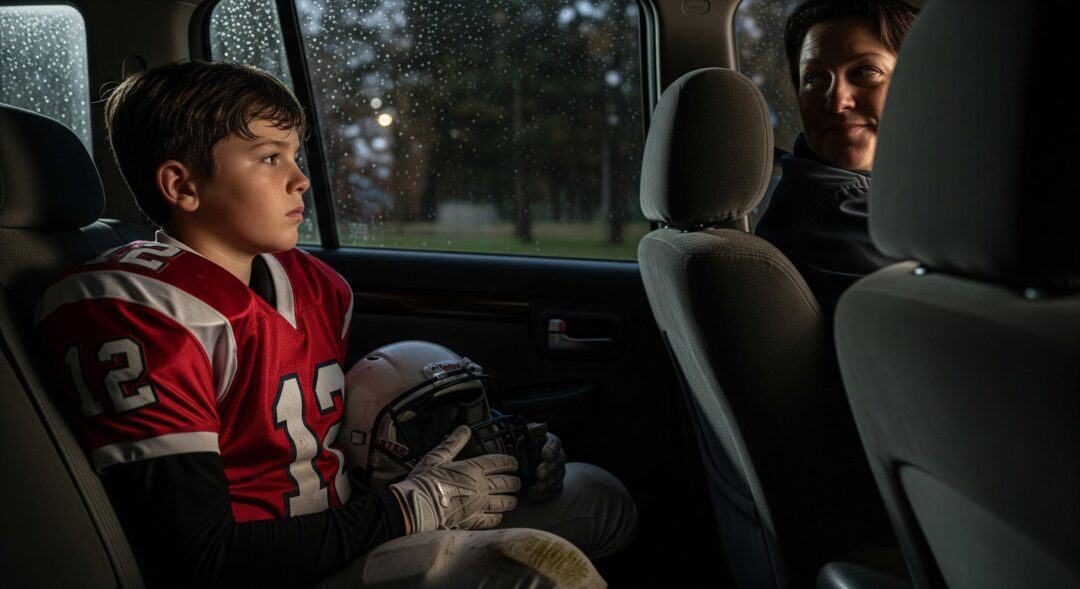
The moments after a game or competition are pivotal for young athletes—and for their parents. The “car ride home” is more than just a commute; it’s a crossroads where emotions, expectations, and relationships intersect. For some athletes, it’s a time to decompress and connect. For others, it’s a source of anxiety, where fear of criticism overshadows the joy of playing.
In this episode of the Rooted Sport Psychology Show, host Georgia Miller dives deep into the psychology of the car ride home, offering six actionable tips for parents to help their athletes process post-game emotions, avoid playing scared, and foster growth both on and off the field. Whether you’re a sports parent, athlete, or coach, these insights will help you turn the car ride home into a powerful tool for building resilience and confidence.
Why the Car Ride Home Matters
The car ride home is often the last moment an athlete spends with a parent after a game and the first moment before the next. What happens in this space can set the tone for how athletes process setbacks, celebrate wins, and approach future challenges. If the ride is filled with criticism or second-guessing, athletes may start playing to avoid mistakes rather than to excel. If it’s supportive and constructive, it becomes a launchpad for growth.
Key Takeaway:
Your words and actions during the car ride home can either fuel frustration and fear or foster resilience and self-belief.
1. Allow a Cooldown Period
Why It Matters:
Immediately after a game, athletes are often flooded with adrenaline, disappointment, or excitement. Jumping into analysis or critique at this moment is like trying to fix a hot engine—it rarely ends well.
Actionable Advice:
- Wait 20–30 minutes before discussing the game. Let emotions settle.
- Embrace silence. Sometimes, the best support is simply being present.
- Let your athlete lead. If they want to talk, listen. If not, respect their space.
Expert Insight:
This cooldown isn’t about ignoring your child; it’s about giving them the space to process. Athletes are more receptive to feedback and reflection once their emotions have cooled.
2. Stay Curious, Not Critical
Why It Matters:
Criticism—especially right after a tough game—can make athletes defensive and shut down communication. Curiosity, on the other hand, invites reflection and ownership.
Actionable Advice:
- Ask open-ended questions:
- “What did you do really well today?”
- “What challenged you the most?”
- “What’s one thing you might do differently next time?”
- Avoid “why” questions like “Why did you miss that shot?” These often feel accusatory.
- Encourage self-assessment rather than providing your own play-by-play.
Expert Insight:
Curiosity helps athletes develop a growth mindset. It shifts the focus from external validation to internal learning, empowering them to find their own solutions.
3. Highlight Positives Within Their Control
Why It Matters:
Many athletes, especially those with perfectionist tendencies, are already acutely aware of their mistakes. They don’t need reminders—they need help seeing their progress.
Actionable Advice:
- Focus on effort, attitude, and resilience:
- “I loved how you hustled after that turnover.”
- “You kept your head up even after that tough call.”
- Celebrate process-driven wins (e.g., sportsmanship, teamwork, bouncing back from mistakes) over outcome-driven ones (e.g., goals scored, games won).
- Help them see the bigger picture: Growth isn’t always reflected on the scoreboard.
Expert Insight:
Reinforcing what’s within their control builds confidence and good habits. It teaches athletes to value the journey, not just the destination.
4. Help Your Athlete Switch Out of Athlete Mode
Why It Matters:
Sports are something your child does—not who they are. Helping them transition out of “athlete mode” after a game supports a healthy identity and prevents burnout.
Actionable Advice:
- Change the subject: Ask, “Where do you want to eat?” or “What movie should we watch tonight?”
- Plan non-sports activities after games, especially during tournaments.
- Remind them of their value outside of sports: “I love watching you play, but I love you for who you are.”
Expert Insight:
A healthy athletic identity is balanced. When athletes see themselves as more than their performance, they’re less likely to tie self-worth to results and more likely to enjoy the game.
5. Keep Coach and Teammate Talk Positive or Neutral
Why It Matters:
Venting about coaches or teammates can encourage blame and externalize responsibility. It also undermines team culture and your athlete’s ability to handle adversity.
Actionable Advice:
- Let your athlete vent, but don’t pile on. Listen, empathize, and then guide them toward solutions.
- Ask solution-oriented questions:
- “What can you do to earn more playing time?”
- “How might you handle that situation differently next time?”
- Avoid negative talk about coaches or teammates. If you disagree with a decision, keep your comments neutral.
Expert Insight:
Focusing on what your athlete can control—rather than what others did or didn’t do—builds accountability and resilience.
6. Maintain Consistent Body Language and Tone
Why It Matters:
Unpredictable reactions—whether overly enthusiastic after wins or cold after losses—can make athletes anxious and distract them from their performance.
Actionable Advice:
- Be steady and predictable. Your athlete should know what to expect from you, win or lose.
- Keep your body language open and supportive. If you usually give a hug, keep doing it.
- Never make love or respect conditional on performance. Make it clear that your support is unwavering.
Expert Insight:
Consistency in your reactions helps athletes feel safe and supported. When they know your love isn’t tied to results, they’re more likely to play freely and confidently.
Final Thoughts: Turning the Car Ride Home into a Growth Opportunity
Every family’s dynamic is unique, but the principles of support, curiosity, and consistency are universal. The car ride home is a powerful opportunity to build resilience, confidence, and a lifelong love of sport in your athlete.
If you’re looking for personalized support—whether it’s communication strategies, balancing the roles of parent and coach, or handling specific challenges—Georgia Miller and the Rooted Sport Psychology team are here to help.
Listen to the full episode of the Rooted Sports Psychology Show here.
Key Takeaways for Sports Parents
- Give space after games. Let emotions settle before talking.
- Ask curious, open-ended questions. Avoid criticism.
- Highlight effort and attitude. Focus on what your athlete can control.
- Help your child transition out of athlete mode. Support a balanced identity.
- Keep talk about coaches and teammates positive or neutral. Guide toward solutions.
- Be consistent in your reactions. Show unconditional support.
By mastering the car ride home, you’re not just supporting your athlete’s performance—you’re shaping their mindset, resilience, and love for the game.