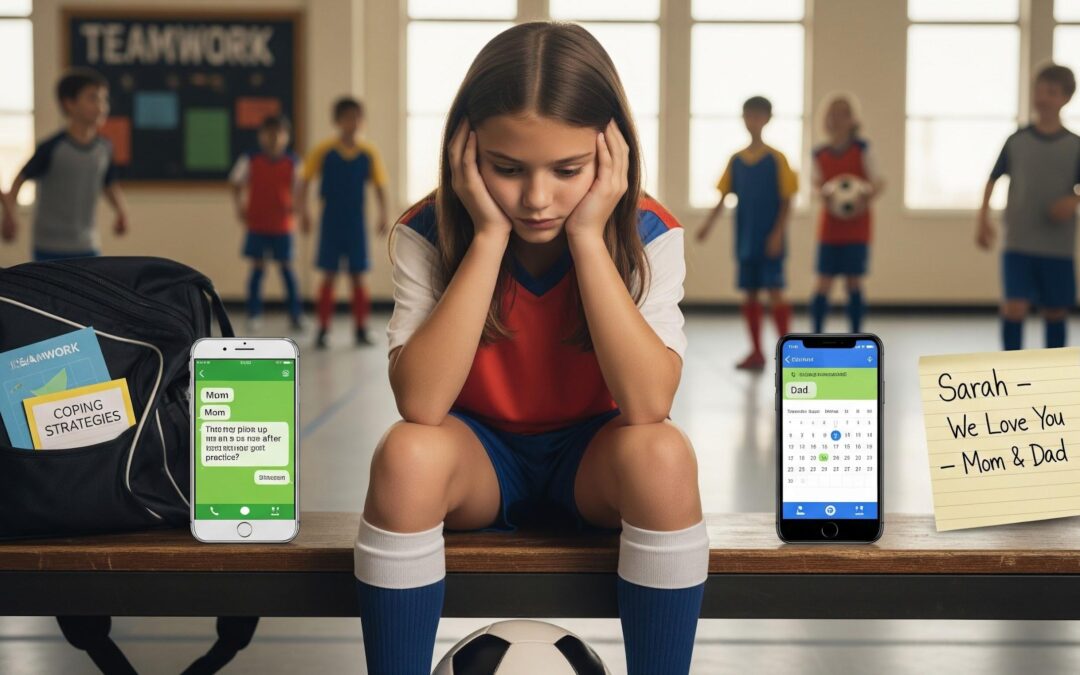
Divorce is a life event that can ripple through every aspect of a child’s world—including their athletic pursuits. As Georgia Miller, host of the Rooted Sport Psychology Show, shares in her latest episode, the emotional and logistical challenges that come with having divorced parents can significantly impact an athlete’s focus, confidence, and enjoyment of their sport.
Drawing from her own experience as a young athlete with divorced parents, Georgia offers three actionable strategies that her parents used to minimize distractions and create a supportive environment. These tips are not just practical—they’re transformative, and they can make a world of difference for any young athlete navigating the complexities of a split family.
Below, we break down each strategy in detail, offering expert insights, actionable advice, and nuanced recommendations to help divorced parents (and those who support them) foster a positive, united front for their children in sports.
The Hidden Impact of Divorce on Young Athletes
Before diving into the strategies, it’s important to understand the unique challenges athletes from divorced families often face:
- Divided Attention: Worrying about which parent will attend the game, or feeling torn between parents, can distract athletes from their performance.
- Emotional Stress: Anxiety about parental interactions or post-game logistics can overshadow the joy of playing.
- Role Reversal: Children may feel responsible for managing communication or logistics between parents, adding unnecessary pressure.
Georgia’s insights highlight that these distractions are not just minor inconveniences—they can fundamentally affect an athlete’s ability to focus, perform, and enjoy their sport.
Strategy 1: Sit Together at Games—Presenting a United Front
What It Is:
Georgia’s parents made a conscious effort to sit together at every game, regardless of their personal differences. This simple act sent a powerful message: “We are here for you, as a family.”
Why It Matters:
- Reduces Anxiety: Athletes no longer have to scan the stands, worry about who showed up, or feel caught in the middle.
- Promotes Unity: Even if parents aren’t on speaking terms, their willingness to sit together demonstrates solidarity and prioritizes the child’s experience.
- Eliminates Distractions: With both parents visible and together, the athlete can focus on the game—not on family dynamics.
Actionable Tips:
- Set Boundaries: Agree in advance to keep conversations neutral and focused on supporting your child.
- Consistency is Key: Make sitting together the norm, not the exception, to provide ongoing reassurance.
- Non-Verbal Support: Even if conversation is minimal, your presence together speaks volumes.
Expert Insight:
Research in child psychology shows that children of divorce benefit from seeing their parents cooperate in public settings. It reassures them that, despite the separation, their support system remains intact.
Strategy 2: Stand Together After Games—Eliminating Awkwardness
What It Is:
After each game, Georgia’s parents would stand together to greet her and her brother. This avoided the classic dilemma: “Who do I go to first?” and removed any awkwardness from the post-game moment.
Why It Matters:
- Simplifies Emotional Choices: Athletes don’t have to choose between parents or worry about hurting anyone’s feelings.
- Creates a Safe Space: The post-game period is emotionally charged; a united parental presence allows the child to process wins or losses without added stress.
- Fosters Celebration and Support: Both parents can share in the highs and lows, reinforcing a sense of family unity.
Actionable Tips:
- Plan Ahead: Decide where you’ll meet your child after the game and stick to it.
- Focus on the Athlete: Keep the attention on your child’s experience, not on parental issues.
- Model Positive Behavior: Even if you’re not close, a cordial, respectful interaction sets a powerful example.
Expert Insight:
Children are highly attuned to parental tension. By standing together and presenting a calm, supportive front, you help your child feel secure and valued, regardless of the game’s outcome.
Strategy 3: Communicate Consistently About Logistics—Remove the Middleman
What It Is:
Georgia’s parents took full responsibility for coordinating rides, schedules, and other logistics. She and her brother were never put in the position of relaying messages or managing plans.
Why It Matters:
- Reduces Stress: Athletes can focus on their sport, not on who’s picking them up or whether plans have changed.
- Prevents Miscommunication: Direct parent-to-parent communication minimizes confusion and last-minute scrambles.
- Empowers the Athlete: Kids can be kids—they don’t have to act as go-betweens or mediators.
Actionable Tips:
- Use Shared Calendars: Digital tools like Google Calendar or Cozi can help both parents stay on the same page.
- Establish Clear Routines: Set regular pick-up/drop-off schedules and communicate any changes directly.
- Keep Kids Out of Adult Conversations: Handle disagreements or changes privately, away from the athlete.
Expert Insight:
When parents handle logistics seamlessly, children feel supported and free to focus on their passions. This level of cooperation models healthy communication and problem-solving skills.
Additional Recommendations for Divorced Parents of Athletes
- Prioritize Your Child’s Experience: Always ask, “What will make my child feel most supported today?”
- Seek Professional Guidance: If co-parenting challenges persist, consider working with a family therapist or sport psychologist.
- Share the Episode: If you know another family navigating similar challenges, share this Rooted Sport Psychology Show episode for practical, empathetic advice.
Final Thoughts: Selflessness Makes the Difference
Georgia Miller’s story is a testament to the power of selfless parenting. By putting aside their differences and focusing on their children’s needs, her parents created an environment where she and her brother could thrive—not just as athletes, but as confident, supported individuals.
If you’re a divorced parent, these strategies can help you provide the stability and encouragement your athlete needs to succeed. And if you’re a coach, teacher, or friend, sharing these insights can make a meaningful difference in a young athlete’s life.
Listen to the full episode of the Rooted Sport Psychology Show here.
Introduction
In a recent episode of the Rooted Sport Psychology Show, host Georgia Miller sat down with Kara, a registered sports dietitian with a rich background in collegiate and professional athletics. Their conversation dives deep into the intersection of nutrition and mental performance, offering actionable strategies and expert insights for athletes, coaches, and parents. This blog post unpacks the main themes and nuanced advice from the episode, providing a comprehensive guide to optimizing both physical and mental performance through individualized nutrition.
Kara’s Journey: From Athlete to Sports Dietitian
Kara’s story is a testament to the transformative power of nutrition. As a former collegiate gymnast and diver, she struggled with under-fueling, frequent injuries, and poor recovery—until a sports dietitian helped her understand the importance of proper nutrition. This pivotal experience not only improved her athletic performance and mental clarity but also inspired her to pursue a career in sports dietetics. Today, Kara works with athletes at all levels, tailoring nutrition strategies to their unique needs through her business, Big League Nutrition, and her work with Rise Nutrition.
The Interplay Between Nutrition and Mental Performance
Why Nutrition Matters for the Mind
Kara and Georgia emphasize that nutrition is not just about fueling the body—it’s fundamental to mental performance. Inadequate nutrition can lead to:
- Irritability and mood swings
- Difficulty concentrating
- Decreased patience and emotional regulation
- Increased risk of injury and poor recovery
These symptoms often go unrecognized, especially among younger athletes, but they can significantly undermine both training and competition outcomes.
Actionable Tips for Athletes: Building a Nutrition Routine That Supports Mental and Physical Performance
1. Prioritize Simple, Sustainable Habits
Key Insight: Nutrition should be as routine and stress-free as brushing your teeth.
- Start Small: If breakfast is a challenge, begin with a banana or a granola bar. Consistency is more important than perfection.
- Snack Regularly: Eating small snacks during long training sessions or competitions helps maintain stable energy and mental clarity.
- Make It Routine: Integrate nutrition into your daily schedule so it becomes second nature, not a source of anxiety.
Expert Advice: Avoid overcomplicating your nutrition plan. Focus on what you can do consistently, and build from there.
2. Individualize Your Nutrition Strategy
Key Insight: There is no one-size-fits-all approach—what works for one athlete may not work for another.
- Assess Your Unique Needs: Consider your sport, position, age, training load, and even your personal history with food.
- Adapt to Your Circumstances: Whether you’re on a tight budget or have access to premium foods, there are always practical options (e.g., frozen fruits, canned beans, simple snacks).
- Listen to Your Body: Pay attention to how different foods make you feel during training and competition.
Expert Advice: Don’t mimic teammates or follow trends blindly. Work with a professional to tailor your nutrition plan to your specific needs.
3. Recognize the Signs of Under-Fueling
Key Insight: Many athletes don’t realize they’re under-fueling until symptoms appear.
Common Warning Signs:
- Digestive issues
- Headaches or lightheadedness
- Irritability or mood swings
- Difficulty focusing
- Poor sleep
- Frequent injuries or slow recovery
Action Steps:
- Track your symptoms and eating patterns over several weeks.
- Consult a sports dietitian if you notice persistent issues.
Expert Advice: Early intervention can prevent long-term setbacks and support both physical and mental health.
4. Gradually Introduce New Nutrition Strategies
Key Insight: Don’t try new foods or routines on game day.
- Test During Training: Use practice sessions to experiment with pre-competition meals and snacks.
- Build Confidence: Gradual changes help reduce anxiety about feeling heavy, bloated, or sluggish.
- Develop Backup Plans: Know what to do if you experience cramping, fatigue, or other issues during competition.
Expert Advice: Work with your support team (coaches, trainers, dietitians) to create both primary and backup nutrition plans.
5. Foster Autonomy and Confidence in Nutrition Choices
Key Insight: Empowering athletes to make their own nutrition decisions builds confidence and independence.
- Encourage Self-Reflection: Help athletes understand the impact of their choices on performance and well-being.
- Support Small Wins: Celebrate incremental progress, such as adding a piece of fruit to breakfast.
- Avoid All-or-Nothing Thinking: Progress is not linear—focus on consistency, not perfection.
Expert Advice: Parents should trust their children’s ability to listen to their bodies, and athletes should give themselves permission to make gradual changes.
6. Address the Mental Side of Nutrition
Key Insight: Nutrition and mental health are deeply intertwined.
- Identify Barriers: Stress, anxiety, and negative self-talk can all impact eating behaviors.
- Collaborate with Professionals: A multidisciplinary support network (nutritionists, psychologists, coaches) is essential for holistic athlete care.
- Short, Frequent Check-Ins: Brief, regular conversations about nutrition are more effective than infrequent, lengthy sessions.
Expert Advice: Sometimes, mental health challenges must be addressed before meaningful nutrition changes can occur.
Overcoming Common Challenges
Fast Food and Busy Schedules
- Understand the “Why”: Is fast food a result of time constraints, stress, or lack of cooking skills?
- Find Practical Solutions: Prepare simple, portable snacks or meals in advance to avoid last-minute unhealthy choices.
Anxiety About Food Choices
- Establish Routines: Consistent pre-competition meals reduce anxiety and free up mental energy for performance.
- Educate and Empower: Knowledge about nutrition helps athletes make informed, confident decisions.
Final Takeaways: Progress Over Perfection
Kara’s closing advice is clear: Nutrition is a journey, not a destination. Change takes time, and setbacks are normal. Focus on small, sustainable steps, and don’t be discouraged by slow progress. Trust your body, seek support when needed, and remember that both mental and physical performance are fueled by intentional, individualized nutrition.
Connect with Kara and Georgia
Kara (Big League Nutrition):
Website: https://www.bigleaguenutrition.com/
Email: [email protected]
Georgia Miller (Rooted Sport Psychology Coaching):
Website: https://rootedsportpsychcoach.com/request-consultation/
Email: [email protected]
Listen to the full episode of the Rooted Sport Psychology Show here.
Conclusion
The intersection of nutrition and mental performance is complex, nuanced, and deeply personal. By embracing individualized strategies, fostering autonomy, and building a supportive network, athletes can unlock their full potential—both on and off the field. For more expert insights and practical advice, be sure to tune in to the Rooted Sport Psychology Show.
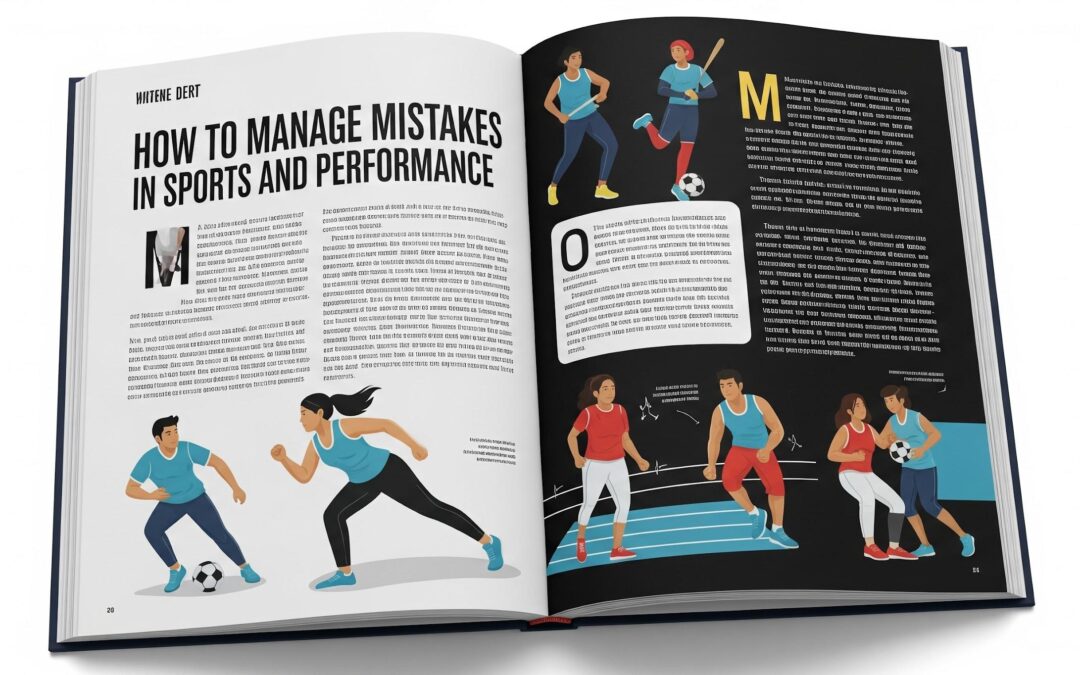
Mistakes are an inevitable part of sports and performance. Whether you’re an elite athlete, a weekend warrior, or a performer in any field, how you handle errors can make or break your experience and results. In a recent episode of the Rooted Sports Psychology Podcast, host Georgia Miller dives deep into the art of managing mistakes, offering actionable strategies and expert insights to help athletes and performers not just survive their errors, but use them as stepping stones to greater composure and success.
In this comprehensive guide, we’ll break down Georgia’s main points, expand on her expert advice, and provide you with practical tools to transform your relationship with mistakes. If you’re ready to elevate your mental game, read on.
Why Managing Mistakes Matters
Before we dive into the strategies, it’s important to understand why mistake management is so crucial:
- Mistakes are universal: Everyone makes them, from athletes to chefs to business professionals.
- Fear of mistakes leads to cautious play: Trying to avoid errors at all costs creates tension, timidity, and a lack of enjoyment.
- How you respond is what counts: The difference between average and elite performers often lies in their ability to recover and refocus after setbacks.
1. Accept Your Mistakes—Without Judgment
The Power of Acceptance
Acceptance is the first and most critical step. This doesn’t mean you’re happy about making a mistake or that you’re excusing poor performance. Instead, it’s about acknowledging reality without harsh self-judgment.
Why Acceptance Works:
- Keeps you present: Ruminating on mistakes traps you in the past, pulling your focus away from the next play or performance.
- Reduces emotional volatility: Acceptance helps you avoid spiraling into frustration, anger, or self-criticism.
- Sets the stage for learning: You can analyze and learn from mistakes later, but in the moment, acceptance is about moving forward.
Real-World Example: Georgia shares the story of a golfer who slices a shot into the woods. If the golfer obsesses over the error, they lose composure and focus, making recovery harder. Acceptance allows for a mental reset, enabling a better next shot.
Actionable Advice:
- Notice your self-talk: Are you berating yourself after a mistake? Practice replacing harsh thoughts with neutral observations (“That happened. Let’s move on.”).
- Use a physical cue: Some athletes tap their leg or take a deep breath as a signal to accept and reset.
- Delay analysis: Commit to reviewing mistakes after the game or practice, not during.
2. Work With Your Mistakes, Not Against Them
Shifting Your Mindset
Mistakes are not the enemy—they’re part of the process. The key is to work with them, using each error as an opportunity to demonstrate resilience and adaptability.
How to Work With Mistakes:
- Set a response goal: Instead of focusing on avoiding mistakes, focus on how quickly and effectively you can recover.
- Model composure: Georgia encourages athletes to aim to be the best at moving on from mistakes, not just the best at avoiding them.
- Team benefits: When you recover quickly, you set a positive example and help maintain team morale.
Practical Example: A quarterback throws an interception. Instead of sulking or blaming, he acknowledges the error, stands tall, and prepares for the next play. The real work—analyzing and correcting—happens after the game, not in the heat of the moment.
Actionable Advice:
- Create a “reset routine”: Develop a short, repeatable process (e.g., deep breath, positive cue word, physical gesture) to use after mistakes.
- Track your responses: Keep a journal of how you respond to errors and look for patterns to improve.
- Celebrate quick recoveries: Make it a point to notice and reward yourself (or teammates) for bouncing back, not just for flawless execution.
3. Write Out Your Responses: The Power of a Plan
Why a Written Plan Works
When emotions run high, it’s easy to fall back on old habits. Having a written, rehearsed plan for how you want to respond to mistakes gives you a roadmap to follow under pressure.
How to Create Your Response Plan:
- Identify triggers: What types of mistakes or situations set you off? (e.g., missed shots, bad calls, turnovers)
- Visualize your ideal response: How would a confident, composed athlete react?
- Write it down: Be specific. For example, “If I miss a shot, I will take a deep breath, say ‘reset,’ and focus on the next play.”
- Practice in training: Rehearse your response plan until it becomes second nature.
Real-World Examples:
- Hockey player: Instead of showing attitude when receiving feedback, he practices saying, “Okay, coach, thank you,” making eye contact, and returning to the bench calmly.
- Golfers’ reset card: A physical card with written reminders and cues to help reset after a bad shot or anxious moment.
Actionable Advice:
- Create your own “reset card”: Write down your cues, reminders, or mantras and keep them accessible during games or performances.
- Role-play scenarios: Practice your response plan with a coach or teammate in simulated high-pressure situations.
- Review and refine: After competitions, reflect on what worked and adjust your plan as needed.
Bonus Tip: Let Go of Others’ Opinions
Free Yourself from External Pressure
One of the biggest barriers to moving on from mistakes is the fear of judgment from others—coaches, teammates, parents, or spectators. Georgia reminds us that most people are too focused on their own experiences to dwell on your errors.
Key Insights:
- You’re your own harshest critic: Others are likely thinking about their own mistakes or challenges.
- Remind yourself often: It’s okay to repeat this truth to yourself during games or performances.
Actionable Advice:
- Develop a mantra: “I play for myself, not for others’ approval.”
- Refocus on your process: Shift attention from external opinions to your own goals and growth.
- Limit social comparison: Avoid dwelling on what others might be thinking; stay anchored in your own experience.
Recap: Your Roadmap to Managing Mistakes
Here’s a quick summary of Georgia Miller’s expert strategies:
- Accept mistakes without judgment: Stay present and avoid self-criticism.
- Work with mistakes, not against them: Focus on your response and recovery.
- Write out your responses: Have a clear, practiced plan for handling errors.
- Bonus: Don’t worry about what others think—most people are focused on themselves.
Final Thoughts: Make Mistake Management Your Superpower
Mistakes are not just obstacles—they’re opportunities to build resilience, composure, and confidence. By accepting errors, working with them, and having a clear response plan, you can transform your mental game and elevate your performance.
If you’re ready to take your mindset to the next level, consider reaching out for one-on-one coaching. Georgia Miller offers personalized support to help you master these skills and more.
By Georgia Miller, Host of the Rooted Sport Psychology Podcast
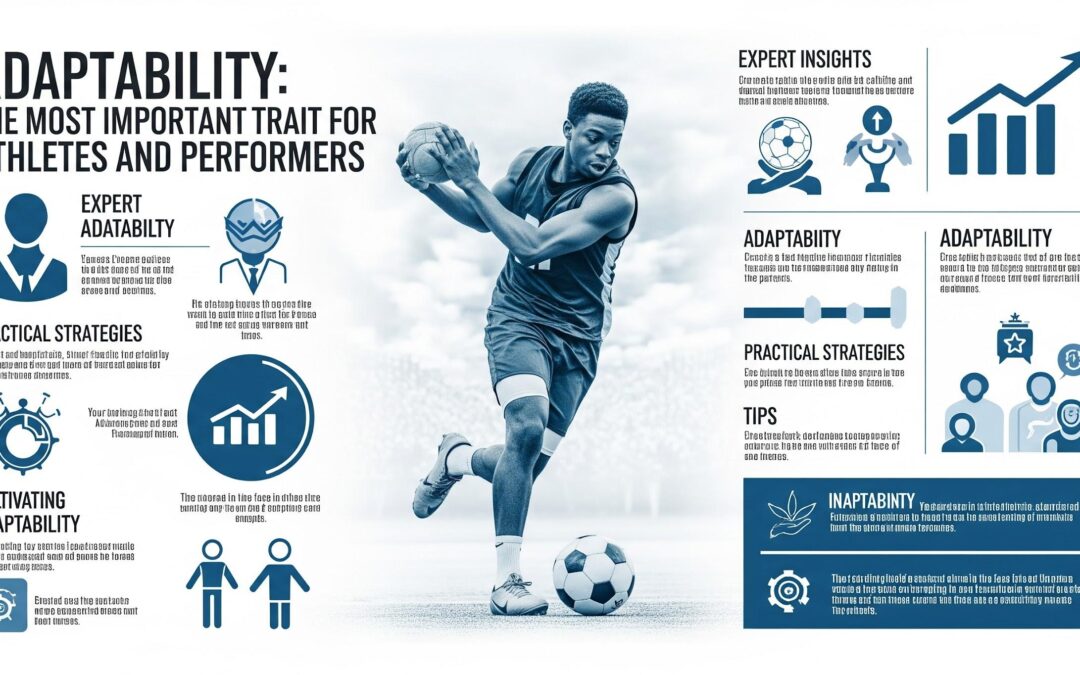
Adaptability isn’t just a buzzword in sports psychology—it’s the cornerstone of athletic excellence. In a recent episode of the Rooted Sport Psychology Podcast, I, Georgia Miller, break down why adaptability is the most important trait for athletes and performers, and how you can cultivate it to elevate your game, both on and off the field.
Below, I’ll dive deep into the main themes and actionable tips from the episode, providing you with expert insights and practical strategies to help you thrive in the face of uncertainty.
Why Adaptability Matters More Than Talent or Routine
Every athlete faces uncontrollable situations: weather delays, equipment malfunctions, unexpected injuries, or even a bus breaking down on the way to a game. While talent and preparation are crucial, your ability to adapt in the moment is what separates good athletes from great ones.
Key Insight:
“Anyone can be confident when they’re playing great and everything is going their way. That’s easy. The best athletes are the ones who can adapt and find a way to succeed even when circumstances aren’t in their favor.”
The Trap of Judging vs. The Power of Adjusting
Judging: The Mental Roadblock
- What it looks like:
- Complaining about unfair situations
- Dwelling on what “should have been”
- Overthinking and losing composure
- Why it’s harmful:
- Keeps you stuck in the past
- Drains mental energy
- Prevents you from finding solutions
Adjusting: The Path Forward
- What it looks like:
- Accepting the situation as it is
- Focusing on what you can control
- Taking action to move forward
- Why it’s powerful:
- Restores your sense of control
- Keeps you present and solution-focused
- Builds resilience and confidence
Expert Tip:
When you catch yourself judging a situation, pause and ask: “What can I do right now to move forward?” This simple shift in mindset is the foundation of adaptability.
Real-World Examples: Adaptability in Action
1. The College Pitcher and the Broken-Down Bus
Scenario:
A college baseball pitcher’s team bus breaks down, slashing his usual 60-minute warm-up to just 20 minutes.
Adaptable Response:
- He doesn’t dwell on the lost time.
- He modifies his warm-up to fit the new time constraint.
- He focuses on getting his arm loose and mentally preparing to pitch.
Takeaway:
Routines are valuable, but flexibility is essential. When circumstances change, adapt your preparation to what’s possible, not what’s ideal.
Actionable Advice:
- Identify the essentials: In a time crunch, focus on the most critical parts of your routine.
- Practice “what-if” scenarios: Occasionally simulate disruptions in practice to build adaptability muscles.
2. The Double-Teamed Shooting Guard
Scenario:
A basketball shooting guard, known for scoring, faces a double team every time she gets the ball.
Adaptable Response:
- She doesn’t complain about the defense.
- She shifts her focus to passing, moving without the ball, and setting screens.
- She creates opportunities for her teammates, turning a challenge into a team advantage.
Takeaway:
Adaptability means seeing obstacles as opportunities. When your usual strengths are neutralized, find new ways to contribute.
Actionable Advice:
- Expand your skill set: Regularly practice different roles and scenarios in training.
- Embrace feedback: Use challenges as data to refine your approach, not as personal setbacks.
3. Everyday Adaptability: The Flat Tire Analogy
Scenario:
You get a flat tire on the way to an important event.
Adaptable Response:
- You don’t waste time lamenting your bad luck.
- You change the tire or call for help and get back on your way.
Takeaway:
Adaptability isn’t just for sports—it’s a life skill. The faster you move from frustration to action, the sooner you regain control.
Actionable Advice:
- Develop a solution-oriented mindset: When faced with setbacks, immediately brainstorm possible solutions.
- Reflect on past successes: Remind yourself of times you’ve adapted well to boost your confidence in future challenges.
How to Build Adaptability: Practical Strategies
1. Practice Mindful Acceptance
- Acknowledge what’s happening without judgment.
- Use grounding techniques (deep breathing, body scans) to stay present.
- Remind yourself: “This is the situation. What’s my next best move?”
2. Reframe Setbacks as Opportunities
- Ask: “What can I learn from this?”
- Look for ways the challenge can make you or your team stronger.
- Celebrate creative solutions, not just perfect outcomes.
3. Simulate Uncertainty in Training
- Occasionally disrupt routines on purpose (e.g., change warm-up times, switch positions).
- Debrief after: What worked? What was hard? How did you adapt?
4. Develop a Toolbox of Coping Skills
- Visualization: Picture yourself handling unexpected situations calmly.
- Self-talk: Use affirmations like “I can handle whatever comes my way.”
- Support network: Lean on coaches and teammates for perspective and advice.
Expert Recommendations for Coaches and Teams
- Normalize unpredictability: Make it clear that change and uncertainty are part of the game.
- Reward adaptability: Recognize and praise athletes who adjust well, not just those who perform perfectly.
- Foster open communication: Encourage athletes to share challenges and brainstorm solutions together.
Final Thoughts: Adjust, Don’t Judge
Adaptability is the ultimate competitive edge. Whether you’re an athlete, coach, or performer, your ability to adjust to curveballs—on the field or in life—will determine your long-term success.
Remember:
- Judging keeps you stuck.
- Adjusting moves you forward.
This week, challenge yourself to notice when you’re judging a situation and consciously shift to adjusting. You’ll be amazed at how much more empowered and effective you feel.
Want to go deeper?
For personalized coaching on building adaptability and mental toughness, visit my website (www.rootedsportpsychcoach.com) or reach out via email ([email protected]).
Preseason camp is a defining experience for college and professional athletes. It’s a time of intense physical demands, mental challenges, and the forging of lifelong bonds. But for many athletes—especially freshmen—camp can also be a source of anxiety, uncertainty, and “what if” worries. In a recent episode of the Rooted Sport Psychology Podcast, host Georgia Miller and her brother, former Michigan State football player Grayson Miller, shared a wealth of actionable advice and personal insights to help athletes prepare for camp both physically and mentally.
This comprehensive guide distills their expert advice, breaking down each tip in detail and offering nuanced, actionable strategies for athletes at every level. Whether you’re a first-year college player or a seasoned veteran, these insights will help you approach camp with confidence, resilience, and a positive mindset.
1. Managing Pre-Camp Anxiety: Focus on What You Can Control
Key Insight:
Anxiety before camp is normal—especially for first-timers. The unknowns, the “what ifs,” and the pressure to perform can be overwhelming. Grayson Miller described his freshman summer as “the most anxiety-filled time of my life,” filled with uncertainty about what to expect.
Actionable Strategies:
- Acknowledge Your Nerves: Recognize that feeling anxious is a universal experience among athletes. You’re not alone.
- Channel Nervous Energy: Instead of letting anxiety paralyze you, use it as motivation to prepare in areas you can control—your fitness, nutrition, and sleep.
- Limit “What If” Scenarios: When your mind spirals into hypothetical worries, gently redirect your focus to the present and actionable steps.
- Establish a Pre-Camp Routine: Even a simple daily structure can provide a sense of stability and reduce anxiety.
Expert Tip:
“When you’re anxious, it’s usually because you feel unprepared. The only thing I could control was my physical preparation.” — Grayson Miller
2. Physical Preparation: Building a Foundation for Success
Key Insight:
Physical readiness is the cornerstone of camp success. The demands of two-a-day practices, meetings, and constant movement require athletes to be in peak condition.
Actionable Strategies:
- Prioritize Consistent Training: Maintain a regular workout schedule throughout the summer. Focus on both strength and conditioning.
- Ramp Up Intensity Gradually: Avoid drastic increases in workload right before camp to prevent injury.
- Address Weaknesses: If you’re recovering from an injury, work closely with trainers to ensure you’re as healthy as possible.
- Simulate Camp Demands (When Possible): While you can’t fully replicate camp, include some high-intensity intervals, agility drills, and position-specific work in your training.
Expert Tip:
“It’s definitely better to go in overprepared than underprepared. Camp is brutal on your body the first time through.” — Grayson Miller
3. Nutrition and Sleep: The Unsung Heroes of Performance
Key Insight:
Proper nutrition and quality sleep are often overlooked but are critical for recovery, energy, and mental clarity.
Actionable Strategies:
- Eat for Performance, Not Just Size: Not every athlete needs to bulk up before camp. Focus on balanced meals that fuel your training and recovery.
- Increase Caloric Intake During Camp: The workload will naturally require more calories—listen to your body and adjust as needed.
- Prioritize Sleep: Aim for 8+ hours per night. Good sleep supports muscle repair, cognitive function, and emotional regulation.
- Minimize Distractions: Reduce late nights, screen time, and other activities that can interfere with rest and recovery.
Expert Tip:
“My goal was to feel great every day and keep my mind as clear as possible because I was filled with so much anxiety and uncertainty about what was coming.” — Grayson Miller
4. Balancing Training and Relaxation During Summer
Key Insight:
It’s possible—and beneficial—to balance hard training with relaxation and family time during summer vacations.
Actionable Strategies:
- Stay Active, Even on Vacation: Short, daily workouts (20–30 minutes) are enough to maintain conditioning. Sprints, hill runs, or bodyweight circuits work well.
- Involve Family and Friends: Training with others increases accountability and makes workouts more enjoyable.
- Don’t Stress About Perfection: Missing a day or two won’t derail your progress. The mental break can actually enhance recovery and motivation.
- Use Mornings for Activity: Get your workout done early, then enjoy the rest of the day guilt-free.
Expert Tip:
“Do something active each morning. You don’t need a full training session—just put on your shoes, do some stretching, a dynamic warmup, maybe some jumping jacks, then go for a jog or do sprints.” — Grayson Miller
5. The Power of Routine and Accountability
Key Insight:
Establishing a routine and having accountability partners can ease anxiety and improve consistency.
Actionable Strategies:
- Set a Daily Schedule: Even a loose routine (wake up, train, eat, relax) can provide structure and reduce stress.
- Find an Accountability Buddy: Pair up with a teammate or friend to check in on workouts, nutrition, and mental preparation.
- Share the Experience: Knowing others are going through the same challenges builds camaraderie and motivation.
Expert Tip:
“Having that accountability partner makes it easier to stay consistent. That shared experience helped ease the anxiety because you knew you weren’t alone.” — Georgia Miller
6. Embracing the Camp Experience: Camaraderie and Growth
Key Insight:
Camp is about more than just physical preparation—it’s a unique environment that fosters deep bonds and personal growth.
Actionable Strategies:
- Look Forward to Team Bonding: Living, training, and relaxing with teammates creates memories and friendships that last a lifetime.
- Embrace the Challenge: The shared struggle of camp builds resilience and mental toughness.
- Celebrate Small Wins: Whether it’s a good practice, a fun night in the dorms, or a breakthrough moment, acknowledge your progress.
Expert Tip:
“That camaraderie is something we still laugh about and cherish. All the hard work pays off.” — Grayson Miller
7. Mental Toughness and Resilience: Lessons Beyond the Field
Key Insight:
The mental skills developed during camp—discipline, focus, resilience—translate far beyond sports.
Actionable Strategies:
- Reframe Setbacks: One bad practice or play doesn’t define your season. Learn, adapt, and move forward.
- Keep the Big Picture in Mind: Remember your long-term goals and why you’re putting in the work.
- Recognize Growth: The discomfort and challenges of camp are what build character and mental fortitude.
Expert Tip:
“Coaches know what they’re doing. The tough workouts and tests aren’t just physical challenges—they build mental toughness, resilience, and focus.” — Grayson Miller
8. Expert Advice: What to Remember as You Head Into Camp
Key Takeaways:
- Control What You Can: Focus on preparation, effort, and attitude. Let go of what’s outside your control.
- Camp Is a Journey: There will be ups and downs. Your performance in camp doesn’t determine your entire season.
- Cherish the Experience: The memories and relationships you build will outlast any single practice or game.
- Reach Out for Support: Don’t hesitate to seek guidance from coaches, teammates, or sport psychology professionals.
Final Words from Grayson Miller:
“Your season isn’t over if camp doesn’t go perfectly. You’ll remember the good memories with your teammates far more than any bad moment. I can’t recall a single bad practice I beat myself up over, but I do remember the nights hanging out in the dorms, getting ready for the next day.”
Conclusion
Preseason camp is a crucible that tests and shapes athletes physically, mentally, and emotionally. By focusing on what you can control, building a solid foundation, and enjoying the down moments with teammates, you will set yourself up for a successful camp.
Want to go deeper?
For personalized coaching on preparing for preseason camp and mental toughness, visit my website (www.rootedsportpsychcoach.com) or reach out via email ([email protected]).
Introduction: The Trap of “The Devil’s Game”
In the latest episode of the Rooted Sports Psychology Show, host Georgia Miller tackles a growing challenge among athletes: what she calls “the devil’s game.” This mindset shift—where athletes play to impress others, chase stats, or avoid mistakes—can quietly undermine performance, motivation, and joy. Georgia’s message is clear: to thrive, athletes must reconnect with their intrinsic motivations and play for the love of the game, not for external validation.
This blog post breaks down Georgia’s key insights, offering actionable advice for athletes, parents, and coaches who want to foster a healthier, more sustainable approach to sports and life.
Understanding “The Devil’s Game”
What Is “The Devil’s Game”?
- Definition: Playing your sport to impress others, rack up stats, or avoid mistakes, rather than for the love of the game or the joy of competition.
- Why It’s Harmful: This mindset leads to disappointment, anxiety, and a loss of motivation because it’s rooted in factors you can’t control—like other people’s opinions or fleeting achievements.
Example:
A soccer player, eager to impress friends and family in the stands, focuses on looking good rather than competing to win. The result? She’s distracted, anxious, and ultimately less effective on the field.
The Dangers of External Motivation
1. You Can’t Control Others’ Opinions
- Reality Check: No matter how well you perform, someone will always find fault or criticize. Chasing approval is a losing battle.
- Expert Insight: Georgia emphasizes that you can never control what others think or feel. Basing your self-worth on external validation is a recipe for frustration.
2. Stats Don’t Tell the Whole Story
- Beyond the Numbers: Statistics can’t capture hustle, teamwork, or leadership. They miss the intangibles that make athletes valuable.
- Parental Pressure: Georgia warns against parents obsessing over stats, especially with young athletes. This adds unnecessary pressure and saps the joy from the game.
3. The “Me, Me, Me” Trap
- Selfish Mindset: Playing for recognition or numbers centers the experience on yourself, not the team or the process.
- Life Parallel: Just as people aren’t truly impressed by job titles or wealth, they’re not moved by stats alone. Character and how you treat others matter more.
How to Break Free: Actionable Tips for Athletes
1. Reconnect with Your “Why”
Ask Yourself:
- Why did you start playing your sport?
- What do you love about it?
- What keeps you coming back, even when it’s hard?
Action Steps:
- Reflect Regularly: Journal about your motivations. Revisit your “why” before games and practices.
- Intrinsic Motivation: Focus on reasons like fun, growth, and love of the game. These are sustainable and energizing.
Expert Advice:
If your “why” is to avoid disappointing others, it won’t sustain you through early mornings or tough losses. Find a reason that excites you from within.
2. Lead with Your Process, Not Outcomes
What Does This Mean?
- Prioritize effort, preparation, and how you treat teammates over stats or accolades.
Action Steps:
- Set Process Goals: Instead of “score 20 points,” aim for “give 100% effort on defense” or “communicate with teammates.”
- Celebrate Small Wins: Acknowledge hustle plays, leadership moments, and personal growth.
Expert Insight:
When you focus on the process, success and recognition often follow naturally. Stats become a byproduct, not the main event.
3. Resist the Temptation to Impress
How to Stay Grounded:
- Awareness: Notice when you’re slipping into the “devil’s game.” Are you playing for the crowd or for yourself?
- Mindfulness: Use pre-game routines to center yourself. Visualize playing for joy and competition, not for approval.
Action Steps:
- Limit Social Media: Don’t let likes or comments dictate your self-worth.
- Supportive Circles: Surround yourself with coaches, teammates, and family who value character and effort over stats.
4. Apply These Lessons Beyond Sports
Life Application:
- The same principles apply off the field. People are impressed by kindness, integrity, and how you make them feel—not by your resume or possessions.
Action Steps:
- Character First: Focus on being a good teammate, friend, and person.
- Long-Term Impact: Remember, your legacy is built on how you treat others, not just what you achieve.
For Parents and Coaches: Fostering the Right Mindset
- De-emphasize Stats: Especially with young athletes, avoid obsessing over numbers. Encourage effort, learning, and fun.
- Model Intrinsic Motivation: Share your own “why” and celebrate process-oriented achievements.
- Open Conversations: Ask athletes what they love about their sport and what motivates them.
Break free from the trap. Play for the right reasons. And remember: your character is your greatest achievement.