
Why Multi-Sport Participation is the Key to Long-Term Athletic Success: Insights from the Rooted Sport Psychology Podcast

Why Multi-Sport Participation is the Key to Long-Term Athletic Success: Insights from the Rooted Sport Psychology Podcast

Listen to the full episode of the Rooted Sport Psychology Podcast with Georgia Miller and Grayson Miller for more in-depth discussion.

local and nationwide support for mental performance coaching 1472px

Introduction

In the latest episode of the Rooted Sport Psychology Podcast, host Georgia Miller sits down with her brother, Grayson Miller, to unpack a topic that’s increasingly relevant for young athletes and their families: the benefits of playing multiple sports during childhood and adolescence.

Their candid conversation goes far beyond the surface, exploring how multi-sport participation shapes athletes physically, mentally, and socially—and why early specialization can actually hinder long-term development.

If you’re a parent, coach, or young athlete navigating the pressures of youth sports, this episode is a must-listen. Below, we break down the main themes and actionable insights from the episode.


The Physical Benefits of Playing Multiple Sports

1. Holistic Athletic Development

Key Insight:
Grayson’s athletic journey began with baseball, expanded to basketball, and later included track and football. Each sport contributed uniquely to his physical development.

In-Depth Breakdown:

  • Varied Movement Patterns:
    • Baseball honed his hand-eye coordination and composure.
    • Basketball improved his agility, footwork, and cardiovascular endurance.
    • Track developed his explosiveness and speed, which directly benefited his football performance.
  • Reduced Overuse Injuries: Different sports prevent repetitive strain and lower the risk of overuse injuries.
  • Year-Round Conditioning: Rotating through sports kept Grayson disciplined and fit year-round.

Actionable Advice:
Encourage young athletes to participate in at least two or three different sports each year, especially before high school.


The Mental Edge: Growth Mindset and Resilience

2. Learning Through Discomfort and Failure

Key Insight:
Grayson describes basketball as his “humbling sport”—one where he lacked natural talent and had to work hard to improve. This experience built resilience and a growth mindset.

In-Depth Breakdown:

  • Embracing Failure: Struggling in a new sport teaches how to cope with setbacks and persist.
  • Growth Mindset: Overcoming difficulties fosters belief that skills can be developed with effort.

Actionable Advice:
Parents and coaches should frame new sports as opportunities for growth. Celebrate effort and improvement—not just wins and stats.


The Social Advantages: Teamwork and Adaptability

3. Expanding Social Skills and Networks

Key Insight:
Georgia and Grayson highlight how different teams and coaches build stronger communication, adaptability, and support systems.

In-Depth Breakdown:

  • Diverse Team Cultures: Exposure to various team dynamics builds adaptability and leadership.
  • Support Systems: Playing different sports can provide emotional relief and new friendships.

Actionable Advice:
Encourage participation in both individual and team sports to foster broader social-emotional skills.


The Risks of Early Specialization

4. Hitting a Plateau and Burnout

Key Insight:
Early specialization can lead to mental fatigue, stagnation, and even quitting. Grayson warns especially about technical positions like quarterback.

In-Depth Breakdown:

  • Limited Athletic Ceiling: Early focus can restrict development and adaptation later.
  • Mental Fatigue: Repetition and pressure can lead to burnout and loss of passion.

Actionable Advice:
Delay specialization until mid-to-late adolescence. Let kids explore multiple sports early on.


Choosing a Primary Sport: When and How?

5. Let Passion and Enjoyment Guide the Decision

Key Insight:
Both Georgia and Grayson found their sports through enjoyment and fulfillment—not external pressure.

In-Depth Breakdown:

  • Intrinsic Motivation: Specialization should come from genuine interest.
  • Natural Progression: Improvement and fun should guide the decision—not pressure or early success.

Actionable Advice:
Let the athlete decide when to specialize based on what brings them joy and growth.


Expert Recommendations for Parents and Coaches

  • Foster a Growth Environment: Celebrate learning and experimentation.
  • Monitor for Burnout: Adjust schedules if signs of mental fatigue emerge.
  • Support Social Development: Embrace leadership and friendships from multiple sports.
  • Consult with Experts: Reach out to a sport psychology professional like Georgia Miller for guidance.

Conclusion: Building a Foundation for Lifelong Success

The conversation between Georgia and Grayson Miller shows that multi-sport participation is about much more than athletic ability. It fosters resilience, adaptability, and holistic growth that sets young athletes up for success in all areas of life.

By encouraging exploration and avoiding premature specialization, we help athletes build a strong physical, mental, and social foundation that will serve them for years to come.

For more insights, listen to the full episode of the Rooted Sport Psychology Podcast or connect with Georgia Miller for personalized guidance.


 

How to Transform Your Morning Routine for Peak Performance: 3 Mistakes Athletes Make

How to Transform Your Morning Routine for Peak Performance: 3 Mistakes Athletes Make

How to Transform Your Morning Routine for Peak Performance: 3 Mistakes Athletes Make (and How to Fix Them)

By Georgia Miller, Host of the Rooted Sport Psychology Podcast

A Morning routine is a unsung hero of athletic and personal success. In a recent episode of the Rooted Sport Psychology Podcast, I, Georgia Miller, explored how the first hour of your day can set the tone for everything that follows—your mindset, your energy, and ultimately, your performance.

Whether you’re an athlete, a performer, or simply someone striving for a better start, understanding and optimizing your morning routine is crucial.

In this post, I’ll break down the three most common mistakes athletes make in their morning routines, as discussed in the episode, and provide actionable, in-depth strategies to help you build habits that fuel both your body and mind.

1. The Trap of Mindless Doom Scrolling

Why It’s Harmful

It’s become second nature: you wake up, reach for your phone, and before you know it, you’re lost in a sea of TikTok, Instagram, or news headlines. This “doom scrolling” habit is more than just a time-waster—it’s a mindset killer.

  • Cognitive Overload: Within minutes of waking, your brain is bombarded with fragmented, often negative information. This overload can leave you feeling scattered and anxious before your day even begins.
  • Comparison Spiral: Social media is a highlight reel. Early-morning exposure can trigger self-doubt and negative self-comparisons, undermining your confidence.
  • Productivity Drain: Studies show that starting your day with social media reduces focus and increases procrastination throughout the day.

Actionable Alternatives

Replace doom scrolling with intentional, positive practices:

  • Gratitude Practice

    • How to do it: Upon waking, think of 2–3 things you’re grateful for. They can be as simple as your bed, a supportive teammate, or even the opportunity to train.
    • Why it works: Gratitude shifts your focus from what’s lacking to what’s abundant, fostering a positive, resilient mindset.
  • Light Stretching or Movement

    • How to do it: Spend 2–5 minutes doing gentle stretches or yoga poses. Focus on your breath and how your body feels.
    • Why it works: Physical movement wakes up your body, increases blood flow, and helps you transition from sleep to action.
  • Set Intentions

    • How to do it: Mentally outline your top priorities or goals for the day.
    • Why it works: Setting intentions creates clarity and purpose, reducing the likelihood of distraction.

Expert Insight:
Many athletes I coach report feeling more present and engaged within just a week of ditching their morning scrolling habit. Try it for seven days—notice the difference in your mood, focus, and energy.

2. Skipping Breakfast: The Silent Performance Saboteur

Why It’s Harmful

Breakfast is often called the most important meal of the day, and for good reason—especially for athletes.

  • Physical Energy: After a night of fasting, your body needs fuel to kickstart metabolism and replenish glycogen stores.
  • Mental Focus: The brain runs on glucose. Skipping breakfast can lead to brain fog, irritability, and poor decision-making.
  • Performance Impact: On game or competition days, skipping breakfast can result in early fatigue, slower reaction times, and difficulty maintaining a positive mindset.

Actionable Alternatives

If you’re not a “breakfast person,” start small:

  • Easy-to-Digest Options

    • Examples: Granola bar, banana, yogurt, toast with peanut butter
    • Why it works: These foods are light, quick to prepare, and provide enough energy to get you started.
  • Gradual Habit Building

    • How to do it: If you’re used to skipping breakfast, begin by eating a small snack within 30 minutes of waking. Gradually increase portion size as your body adapts.
  • Game Day Preparation

    • Tip: Practice your breakfast routine on regular days—not just before competitions. This trains your body to expect and efficiently use morning fuel.

Expert Insight:
Athletes burn more calories and require more nutrients than the average person. Consistent morning nourishment supports both physical stamina and mental resilience, helping you stay sharp and positive throughout the day.

3. Not Making Your Bed: The Power of Small Wins

Why It’s Harmful

It may seem trivial, but skipping this simple task can have a ripple effect on your day.

  • Missed Opportunity for Accomplishment: Making your bed is a quick, tangible win that signals productivity and discipline.
  • Environmental Impact: A messy space can contribute to mental clutter, making it harder to focus and stay organized.
  • Momentum Loss: Small acts of discipline build momentum for bigger challenges later in the day.

Actionable Alternatives

Embrace the “Make Your Bed” philosophy:

  • Commit to the Habit

    • How to do it: As soon as you get up, spend 1–2 minutes straightening your sheets and pillows.
    • Why it works: This act of order and discipline sets a positive tone and gives you a sense of control.
  • Tidy Space, Tidy Mind

    • How to do it: Extend the habit to other small tidying tasks—put away clothes, clear your desk, etc.
    • Why it works: A clean environment supports clear thinking and reduces stress.
  • Read for Inspiration

    • Recommendation: Check out Make Your Bed by Admiral William H. McRaven, a Navy SEAL, for more on how small habits can lead to big life changes.

Expert Insight:
Sport psychology is about stacking small, manageable habits that build confidence and discipline. Making your bed is a micro-habit that can transform your mindset and set you up for success, both on and off the field.

Putting It All Together: Your New Morning Routine

If overhauling your entire morning feels overwhelming, start with just one of these habits. Commit to it for a week, then add another. The cumulative effect of these small changes can be profound:

  • Improved mood and focus
  • Greater energy and resilience
  • A sense of accomplishment and control

Remember, these strategies aren’t just for athletes—they’re for anyone who wants to start their day with intention and positivity.

Ready to Elevate Your Performance?

For more personalized coaching or support, reach out to me at [email protected] or call 786-833-8585. I’m here to help you unlock your potential and enjoy your sport experience to the fullest.

Listen to the full episode of the Rooted Sport Psychology Podcast for more insights and actionable tips.

Start your day strong. Build habits that last. Become the athlete—and the person—you’re meant to be.

Navigating Social Media as an Athlete: 3 Essential Questions to Guide Your Digital Habits

Navigating Social Media as an Athlete: 3 Essential Questions to Guide Your Digital Habits

By Georgia Miller, Host of the Rooted Sport Psychology Podcast

navigating-social-media-as-an-athlete-3-essential-questions-to-guide-your-digital-habits 

Social media is an inescapable part of modern athletic life. Whether you’re a high school competitor, a collegiate athlete, or a professional, your digital presence can shape your confidence, focus, and even your future opportunities. In a recent episode of the Rooted Sport Psychology Podcast, I explored the nuanced relationship athletes have with social media and shared three critical questions every athlete should ask themselves to ensure their online habits are supporting—not sabotaging—their performance and well-being.

Below, I break down each question in detail, offering actionable strategies and expert insights to help you take control of your social media experience.


1. Are You Comparing Yourself to Others on Social Media?

The Trap of the Highlight Reel

Social media platforms are engineered to showcase the best moments—victories, personal records, and polished images. As an athlete, it’s easy to fall into the trap of comparing your behind-the-scenes struggles to someone else’s highlight reel. This comparison can:

  • Undermine your confidence: Seeing only others’ successes can make your own journey feel inadequate.
  • Create unnecessary pressure: Hyping up competitors based on their curated profiles can make them seem unbeatable.
  • Distract from your growth: Focusing on others’ achievements can pull attention away from your own progress.

Actionable Advice

  • Remind yourself: Social media is not the full story. Everyone has setbacks and off days—they just don’t post about them.
  • Limit pre-competition scrolling: Avoid checking competitors’ profiles before big events to prevent unnecessary anxiety.
  • Focus on your journey: Use social media to document your own growth, not to measure your worth against others.

Expert Insight

I’ve worked with athletes who became anxious before games simply by viewing their opponents’ best moments online. Remember, your value as an athlete is defined by your effort, resilience, and growth—not by someone else’s curated feed.


2. Are You Using Social Media for Its Intended Purpose?

Intentional vs. Unintentional Use

Social media can be a powerful tool for:

  • Connecting with teammates, coaches, and fans
  • Building your personal brand
  • Promoting your achievements and schedule
  • Learning new skills and gaining inspiration

However, problems arise when social media becomes a source of validation or a dopamine-driven distraction. If you find yourself posting primarily for likes, comments, or followers, you’re placing your self-worth in the hands of others—and that’s a fragile foundation.

Actionable Advice

  • Audit your motivations: Ask yourself why you’re posting. Is it to connect, inform, or simply to seek approval?
  • Set boundaries: If you notice social media is causing stress or distraction, try:
    • Deleting apps temporarily during the season
    • Moving apps to a less accessible folder on your phone
    • Scheduling specific times for social media use
  • Prioritize real connections: Use direct messages or group chats to foster genuine relationships, rather than relying on public posts for interaction.

Expert Insight

Social media platforms are designed to keep you engaged and craving more. Be mindful of how much time you spend scrolling, and recognize when you’re chasing that next “dopamine hit” instead of using the platform for meaningful engagement.


3. Are You Comfortable with Coaches, Recruiters, or Family Seeing Your Posts?

The Lasting Impact of Your Digital Footprint

Your social media presence is often the first impression coaches, recruiters, and even future employers will have of you. Inappropriate content, offensive language, or posts that don’t align with your values can have real-world consequences.

Actionable Advice

  • Think before you post: If you wouldn’t want your coach, a college recruiter, or your grandmother to see it, don’t post it.
  • Keep profiles private: Consider setting your accounts to private, especially if you’re not actively building a public brand.
  • Regularly review your content: Audit your posts and remove anything that no longer represents who you are or who you want to become.
  • Handle negativity wisely: If you receive negative comments or “hate” after a performance, consider stepping away from social media during the season to protect your mental health.

Expert Insight

I advise all athletes to treat their social media as an extension of their personal brand. Your posts can open doors—or close them. When in doubt, err on the side of caution.


When to Take a Break

If social media is causing more harm than good—whether through distraction, anxiety, or negativity—it’s okay to step back. Your mental health and focus on your sport should always come first. Many athletes benefit from digital detoxes during the season or after tough performances.


Final Thoughts: Make Social Media Work for You

Social media is a tool, and its impact depends on how you use it. By asking yourself these three questions, you can ensure your digital habits are aligned with your goals, values, and well-being.

  • Avoid unhealthy comparisons
  • Use social media intentionally
  • Protect your digital reputation

If you want more guidance on navigating social media in a way that benefits your performance and mindset, reach out to me at [email protected].

For more expert advice and athlete-focused strategies, listen to the full episode of the Rooted Sport Psychology Podcast.


Georgia Miller is a sport psychology coach and the host of the Rooted Sport Psychology Podcast, where she helps athletes build confidence, resilience, and focus—on and off the field.


The Power of Asking the Right Questions in Competition: A Deep Dive with Georgia Miller

The Power of Asking the Right Questions in Competition: A Deep Dive with Georgia Miller

Listen to the full episode of the Rooted Sports Psychology Podcast

The Power of Asking the Right Questions in Competition

The Power of Asking the Right Questions in Competition

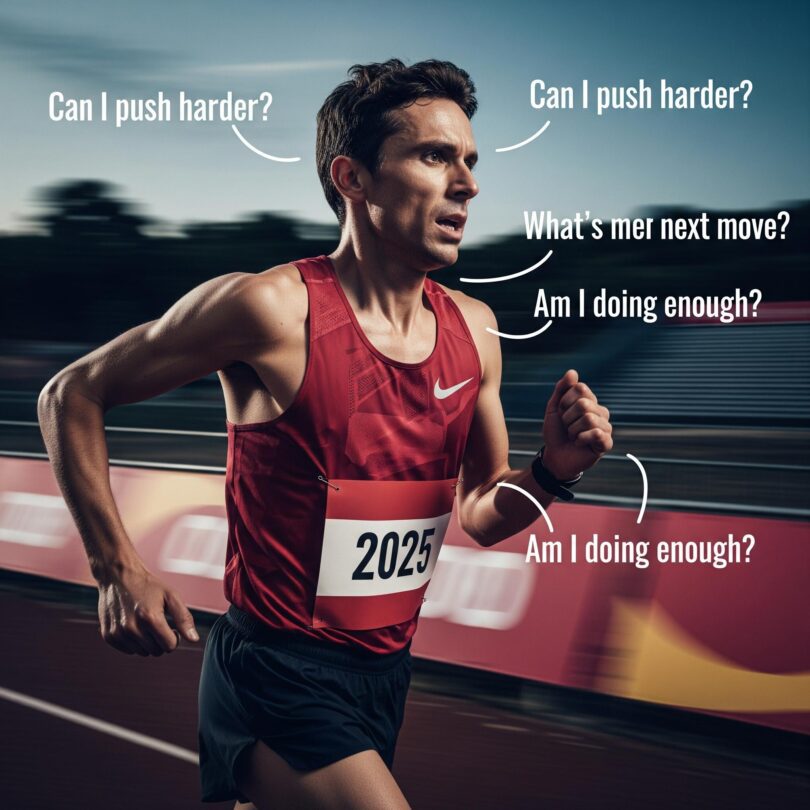
In the high-pressure world of athletic competition, your mindset can be your greatest asset—or your biggest obstacle. In a recent episode of the Rooted Sport Psychology Podcast, host Georgia Miller explores a deceptively simple but transformative concept: the questions athletes ask themselves during performance.

The right questions can keep you focused, resilient, and adaptable, while the wrong ones can lead to overthinking, hesitation, and distraction.

This blog post breaks down Georgia’s expert insights, offering actionable advice for athletes, coaches, and anyone facing high-stakes situations. We’ll explore the most common unhelpful questions, why they’re problematic, and how to replace them with powerful alternatives that keep you present and performing at your best.


Why the Questions You Ask Matter

The internal dialogue you maintain during competition shapes your focus, confidence, and ability to adapt. Georgia Miller emphasizes that while self-talk is natural, the quality of your questions determines whether you spiral into unproductive thought patterns or stay rooted in the present moment.

The Main Theme: Productive Self-Questioning

  • Unhelpful questions often lead to overanalysis, self-doubt, and distraction.
  • Helpful questions keep you grounded, focused on the present, and ready to take action.

Let’s break down the most common unhelpful questions and discover the expert strategies Georgia recommends for replacing them.


1. The Trap of “Why is This Happening?” During Competition

Why It’s Unhelpful

  • Overthinking Mechanics: Asking “why” in the heat of the moment (e.g., “Why am I missing my free throws?”) leads to overanalyzing your technique when you should be focused on execution.
  • Paralysis by Analysis: This question can cause you to freeze, hesitate, or lose confidence.
  • Emotional Drain: Dwelling on “why” can trigger frustration, self-doubt, and even anger.

Real-World Example:
Georgia shares how volleyball players, after a few missed serves, start questioning their abilities. Instead of moving forward, they get stuck in a loop of self-doubt, which only worsens performance.

When to Ask “Why”

  • Post-Game Reflection: Review film, talk with your coach, and analyze with a clear mind.
  • Long-Term Growth: “Why” questions often become clearer after processing and reflection.

Actionable Advice

  • In the Moment: Let go of the need to analyze. Accept that not every performance will be perfect.
  • After the Game: Schedule time to reflect and use “why” to inform your training and preparation.

2. The Pitfall of “How Can I Fix This?” Mid-Game

Why It’s Unhelpful

  • Disrupts Flow: Trying to fix your mechanics mid-performance pulls you out of the present.
  • Leads to Hesitation: Over-correcting results in inconsistency.
  • Undermines Trust: Constant tweaking shows a lack of trust in your training.

Real-World Example:
A college pitcher, after a few bad curveballs, adjusted his grip mid-inning—only to make more mistakes.

When to Fix

  • Practice and Training: Experiment, adjust, and refine your skills.
  • Game Time: Trust your preparation. Adapt using your strengths.

Actionable Advice

  • During Competition: Focus on execution, not correction. Switch tools if needed.
  • In Practice: Take mental notes on issues and address them during your next session.

3. The Distraction of “Why Did Coach Do That?”

Why It’s Unhelpful

  • Shifts Focus: Wondering why you were benched distracts you from your role.
  • Assumptions: Athletes often misread coaching decisions as personal criticism.
  • Erodes Trust: Questioning in-game decisions undermines team cohesion.

Real-World Example:
Georgia notes athletes often internalize coaching decisions, leading to resentment and self-doubt—when the reasoning may be unrelated to performance.

When to Ask

  • After the Game: Approach your coach with curiosity, not defensiveness.
  • During Competition: Trust their strategy and stay focused.

Actionable Advice

  • In the Moment: Redirect your attention to your current role.
  • Post-Game: Schedule a feedback session with your coach to gain understanding.

4. The Spiral of Negative “What If?” Thoughts

Why It’s Unhelpful

  • Feeds Anxiety: “What if I fail?” primes you for worst-case scenarios.
  • Creates Hesitation: Fear makes you play tentatively.
  • Limits Potential: Negative focus restricts confidence and performance.

Reframing “What If?”

  • Shift to Positive Possibilities: Ask “What if I succeed?” or “What if I play my best?”
  • Build Optimism: Reframing creates motivation and excitement.

Actionable Advice

  • Notice Negative “What Ifs”: When you catch one, pause and reframe.
  • Practice Positive Visualization: Regularly imagine best-case outcomes to build confidence.

5. The Golden Question: “What Now?”

Why It’s Powerful

  • Keeps You Present: Focuses on the next step—not past mistakes.
  • Promotes Action: Encourages solution-based thinking.
  • Reduces Overthinking: Blocks analysis paralysis and builds momentum.

Real-World Application:

  • Missed a shot? → “What now?” → Get back on defense.
  • Injured? → “What now?” → Focus on recovery and mindset.
  • Benched? → “What now?” → Be a great teammate and stay ready.

Actionable Advice

  • Make “What Now?” Your Mantra: Use it as a mental reset cue.
  • Practice in Training: Make it automatic so it shows up under pressure.

Key Takeaways and Expert Recommendations

  • Save “Why” for Reflection: Use it after the game to grow—not during the heat of play.
  • Don’t Fix Mid-Game: Trust your training. Adapt with what’s working, not what’s broken.
  • Trust Your Coach: Don’t internalize strategy decisions. Focus on your current role.
  • Reframe “What Ifs”: Replace fear with possibility to boost confidence.
  • Ask “What Now?”: Keep your focus in the present and move forward.

Final Thoughts

The questions you ask yourself in the heat of competition can make or break your performance. By replacing unhelpful questions with empowering ones, you can stay rooted in the present, adapt to challenges, and perform at your best—not just in sports, but in any high-pressure situation.

For more expert insights and practical tools, listen to the full episode of the Rooted Sports Psychology Podcast. If you’re interested in one-on-one coaching or additional resources, visit Georgia Miller’s website or call (786) 833-8585.

Keep asking the right questions, stay rooted, and keep moving forward.

Listen to the episode now: Rooted Sports Psychology Podcast


Recruiting Tips w/ Grayson Miller

Recruiting Tips w/ Grayson Miller

Navigating the College Recruiting Process: Mindset, Mistakes, and Mastery

Episode Recap: Rooted Sport Psychology Podcast with Georgia & Grayson Miller

recruiting tips with grayson miller rooted reads

The college recruiting process is one of the most pivotal—and often stressful—journeys for aspiring student-athletes. In a recent episode of the Rooted Sport Psychology Podcast, host Georgia Miller and her brother Grayson Miller, a former Division I athlete, coach, and athletics administrator, dive deep into the realities of recruitment. Drawing from their own experiences and professional insights, they break down the strategies, common pitfalls, and mindset shifts that can make or break an athlete’s recruiting journey.

This blog post distills their conversation into actionable, in-depth guidance for athletes and families navigating the recruiting landscape. Whether you’re just starting out or deep in the process, these expert-backed tips will help you approach recruitment with clarity, confidence, and purpose.


1. Mindset Matters: Embrace the “Nothing to Lose” Approach

Why Mindset is Everything

Grayson’s story highlights a powerful truth: the right mindset can transform your recruiting experience. Early in his journey, he felt overwhelmed and intimidated, constantly comparing himself to others and worrying about every moment. But his breakthrough came when he attended a Michigan State camp with a “nothing to lose” mentality. Free from the pressure of expectations, he performed at his best—and earned a full scholarship.

Actionable Advice

  • Let Go of Fear: Treat every camp, showcase, or conversation as an opportunity, not a test. When you stop fearing mistakes, you unlock your true potential.
  • Focus on What You Can Control: Prepare thoroughly, but once you’re on the field or court, trust your training and play freely.
  • Reframe Pressure: Instead of seeing high-stakes moments as make-or-break, view them as chances to learn and grow.

Expert Insight

“When you go into a showcase or camp with the mindset that you have nothing to lose, you’re more likely to perform freely and confidently. It’s better to walk away knowing you gave it your all than to feel like you played it safe and timid.” — Georgia Miller


2. Avoid the Comparison Trap: Your Path is Unique

The Danger of Comparison

Both Georgia and Grayson admit that comparing themselves to other athletes—whether it was peers committing early or players on TV—robbed them of joy and confidence. The recruiting timeline is different for everyone, and comparison only breeds frustration and self-doubt.

Actionable Advice

  • Define Your Own Success: Write down your goals and revisit them often. Are you chasing a dream that’s truly yours, or one shaped by others’ expectations?
  • Celebrate Small Wins: Every offer, conversation, or improvement is a step forward. Don’t diminish your progress by measuring it against someone else’s.
  • Limit Social Media: Remember, social media highlights are curated. Focus on your journey, not the online narratives of others.

Expert Insight

“Comparison is the biggest thief of joy in recruiting. Your race is your own, and where you finish is up to you.” — Grayson Miller


3. Define Your Goals: Be Specific and Honest

Why Clarity is Crucial

A vague goal like “I want to play college sports” isn’t enough. Grayson wanted to play in the Big Ten or SEC, while Georgia prioritized playing time and impact over division status. Both had to confront and adjust their expectations, but clarity helped them make decisions aligned with their true desires.

Actionable Advice

  • Get Specific: What level do you want to play at? What kind of campus culture, academic programs, and team environment matter to you?
  • Be Honest About Your Fit: Assess your skills, body type, and personality. Where will you thrive—not just survive?
  • Own Your Decision: Don’t let family, coaches, or peers dictate your path. This is your future.

Expert Insight

“Don’t commit somewhere just for the social media moment or to impress others. This is about you and your future.” — Grayson Miller


4. Understand What Coaches Really Look For

Beyond Talent: The Intangibles

Many athletes believe they need to play perfectly when coaches are watching. In reality, coaches are looking for much more than highlight-reel moments. They want to see how you handle adversity, communicate, and carry yourself on and off the field.

What Coaches Value Most

  • Resilience: How do you respond to mistakes? Do you bounce back quickly or let errors affect your play?
  • Body Language: Coaches notice if you roll your eyes, ignore teammates, or show frustration. Positive, confident body language is non-negotiable.
  • Consistency: Coaches watch full games, not just highlights. They want to see steady effort and attitude, not just flashes of brilliance.
  • Character: Your academic habits, social media presence, and interactions with others all matter. Coaches want athletes who represent their program well.

Actionable Advice

  • Practice Recovery: In training, intentionally put yourself in tough situations and practice bouncing back.
  • Audit Your Online Presence: Clean up your social media and ensure it reflects your values and maturity.
  • Be a Leader: Communicate positively, support teammates, and show respect to coaches and officials.

Expert Insight

“I would immediately cross off any athlete who showed poor body language—like rolling their eyes at teammates or ignoring coaches—no matter how talented they were.” — Georgia Miller


5. Trust the Process: Patience and Perspective

The Reality of Recruiting

The recruiting process is rarely linear. Offers may come and go, timelines shift, and plans change. Both Georgia and Grayson emphasize the importance of patience and trusting that the right fit will emerge, even if the journey is confusing or difficult.

Actionable Advice

  • Stay Engaged: Keep communicating with coaches, attending camps, and updating your film—even if things seem slow.
  • Be Open to Change: Sometimes the best opportunities are the ones you didn’t expect.
  • Reflect Regularly: Check in with yourself about your goals and feelings. Adjust as needed, but don’t lose sight of your core values.

Expert Insight

“Even if the recruiting journey is tough and confusing, landing at your school will make sense in the end.” — Georgia Miller


Key Takeaways & Next Steps

  • Mindset is your greatest asset. Approach every opportunity with confidence and a willingness to learn.
  • Comparison is counterproductive. Focus on your unique journey and goals.
  • Clarity leads to better decisions. Define what you want and pursue it relentlessly.
  • Coaches value character as much as talent. Show resilience, leadership, and maturity.
  • Trust the process. Stay patient, adaptable, and true to yourself.

If you’re seeking personalized guidance through your recruiting journey, don’t hesitate to reach out to Georgia Miller at georgia@coach.


Final Thought

The recruiting process is about more than just landing a scholarship or a roster spot—it’s about finding the right fit for your athletic, academic, and personal growth. Own your process, stay true to your values, and remember: your journey is yours alone.

Secret Link