Listen to the full episode of the Rooted Sport Psychology Show with Georgia Miller and Marius Johnson here.
Stepping up to a new level of competition—whether it’s moving from high school to college sports, joining a new team, or entering the professional arena—can be both exhilarating and overwhelming for athletes. In a recent episode of the Rooted Sport Psychology Show, host Georgia Miller and performance coach Marius Johnson (with experience from the Memphis Grizzlies and their G League affiliate, the Hustle) dive deep into the psychological and practical challenges that freshmen and rookies face, and offer actionable strategies to help them not just survive, but thrive.
This blog post unpacks the main themes and expert advice from the episode, providing a comprehensive guide for athletes, coaches, and parents navigating this critical transition.
1. Managing Expectations: The Power of Minimalism
The Challenge
Newcomers are often arrive eager to make an immediate impact, setting high expectations for themselves. This can quickly lead to disappointment and self-doubt if those expectations aren’t met.
Expert Insights
- Georgia Miller observes that the most successful freshmen are those who approach the transition with minimal expectations, focusing on learning and adapting rather than impressing.
- Marius Johnson emphasizes patience and grace, reminding athletes that development is a multi-year journey, not a sprint.
Actionable Advice
- Adopt a “Sponge” Mentality: Focus on absorbing information, observing team culture, and learning from every experience.
- Set Process Goals, Not Outcome Goals: Instead of aiming to be a starter or top scorer immediately, set goals around effort, learning, and daily improvement.
- Give Yourself Time: Recognize that growth is gradual. Allow yourself to make mistakes and learn from them.
2. Patience and Grace: Embracing the Adjustment Period
The Challenge
The urge to prove oneself can lead to frustration and burnout, especially when progress feels slow.
Expert Insights
- Marius highlights the importance of giving yourself permission to be a beginner. Even elite athletes take time to adjust to new environments.
- Georgia notes that athletes have multiple years to develop and that rushing to peak immediately is neither realistic nor beneficial.
Actionable Advice
- Track Your Progress: Keep a journal of small wins and lessons learned each week.
- Celebrate Effort, Not Just Results: Acknowledge the hard work you’re putting in, even if it hasn’t translated to on-field success yet.
- Practice Self-Compassion: When you make mistakes, treat yourself with the same kindness you’d offer a teammate.
3. Shifting from Comparison to Curiosity
The Challenge
It’s easy for rookies to compare themselves to more experienced teammates, which can erode confidence and motivation.
Expert Insights
- Marius and Georgia both stress the importance of shifting from negative comparison to curiosity and learning.
- Observe and Ask: Instead of feeling threatened by others’ success, use it as a learning opportunity.
Actionable Advice
- Identify Role Models: Watch how top teammates prepare, communicate, and handle adversity.
- Ask Questions: Don’t be afraid to seek advice from veterans or coaches. Most are happy to share their knowledge.
- Reflect on Your Unique Strengths: Remember what got you to this level and build on it.
4. Building Relationships: The Foundation of Confidence
The Challenge
Feeling like an outsider can hinder performance and enjoyment.
Expert Insights
- Georgia recommends engaging in casual conversations with coaches and teammates to build rapport and comfort.
- Marius notes that strong relationships create a supportive environment, which naturally boosts confidence.
Actionable Advice
- Initiate Small Interactions: Say hello, ask about someone’s weekend, or offer a compliment.
- Seek Feedback: Regularly check in with coaches about your progress and areas for growth.
- Support Others: Celebrate teammates’ successes and offer encouragement during tough times.
5. Standards vs. Expectations: Controlling the Controllables
The Challenge
Expectations often focus on outcomes you can’t control, leading to anxiety and disappointment.
Expert Insights
- Marius distinguishes between expectations (outcome-focused) and standards (process-focused).
- Georgia ties standards to character, emphasizing that how you work and respond to challenges matters as much as results.
Actionable Advice
- Set High Personal Standards: Focus on effort, preparation, attitude, and energy—factors within your control.
- Develop Pre-Game Routines: Establish habits that help you feel prepared and focused.
- Respond to Mistakes Constructively: Use errors as learning opportunities, not reasons for self-criticism.
6. Habits: The Building Blocks of Long-Term Success
The Challenge
Transitioning to a higher level often exposes gaps in both physical and mental habits.
Expert Insights
- Marius encourages athletes to develop self-awareness around their habits, identifying both strengths and areas for improvement.
- Georgia stresses that “rock solid” habits are transferable beyond sport, shaping success in all areas of life.
Actionable Advice
- Audit Your Habits: Regularly assess your routines around nutrition, sleep, training, and recovery.
- Mind Your Mental Habits: Notice patterns of negative self-talk and work to replace them with supportive, realistic thoughts.
- Be Intentional with Social Media: Use it for connection and learning, but set boundaries to avoid distraction and comparison.
7. Leveraging Support Systems
The Challenge
Navigating a new environment can feel isolating without the right support.
Expert Insights
- Marius suggests collaborating with coaches, sport psychologists, or mentors to refine habits and mindset.
- Peer Learning: Observing and engaging with teammates can provide practical strategies for overcoming challenges.
Actionable Advice
- Find a Mentor: Seek out a more experienced teammate or coach who can offer guidance.
- Join Team Activities: Participate in team-building events to strengthen bonds.
- Share Your Journey: Don’t be afraid to talk about your struggles and successes with trusted individuals.
8. Consistency and Adaptability: The Keys to Growth
The Challenge
The pressure to perform can lead to inconsistency or rigid routines that don’t serve you.
Expert Insights
- Georgia advises athletes to stay grounded in their process and remain open to feedback and change.
- Marius highlights adaptability as a hallmark of successful athletes.
Actionable Advice
- Review and Adjust: Regularly evaluate what’s working and be willing to tweak your approach.
- Stay Curious: Approach each practice and game as an opportunity to learn.
- Prioritize Consistency: Small, daily actions compound over time to create lasting improvement.
Conclusion: Embrace the Journey
Transitioning to a higher level of competition is a significant challenge, but it’s also a tremendous opportunity for growth. By managing expectations, focusing on standards, building strong relationships, and cultivating positive habits, freshmen and rookies can set themselves up for long-term success—not just in sport, but in life.
For more expert insights and actionable strategies, listen to the full episode of the Rooted Sport Psychology Show with Georgia Miller and Marius Johnson here.
Key Takeaways for Freshmen and Rookies
- Enter with minimal expectations and a learning mindset.
- Be patient and give yourself grace during the adjustment period.
- Shift from comparison to curiosity—observe, ask, and learn.
- Build relationships with coaches and teammates.
- Focus on controllable standards, not uncontrollable expectations.
- Audit and refine your physical and mental habits.
- Leverage support systems and peer learning.
- Stay consistent and adaptable in your approach.
Listen to the full episode of the Rooted Sports Psychology Show with Dr. Jen Fry and Georgia Miller here.
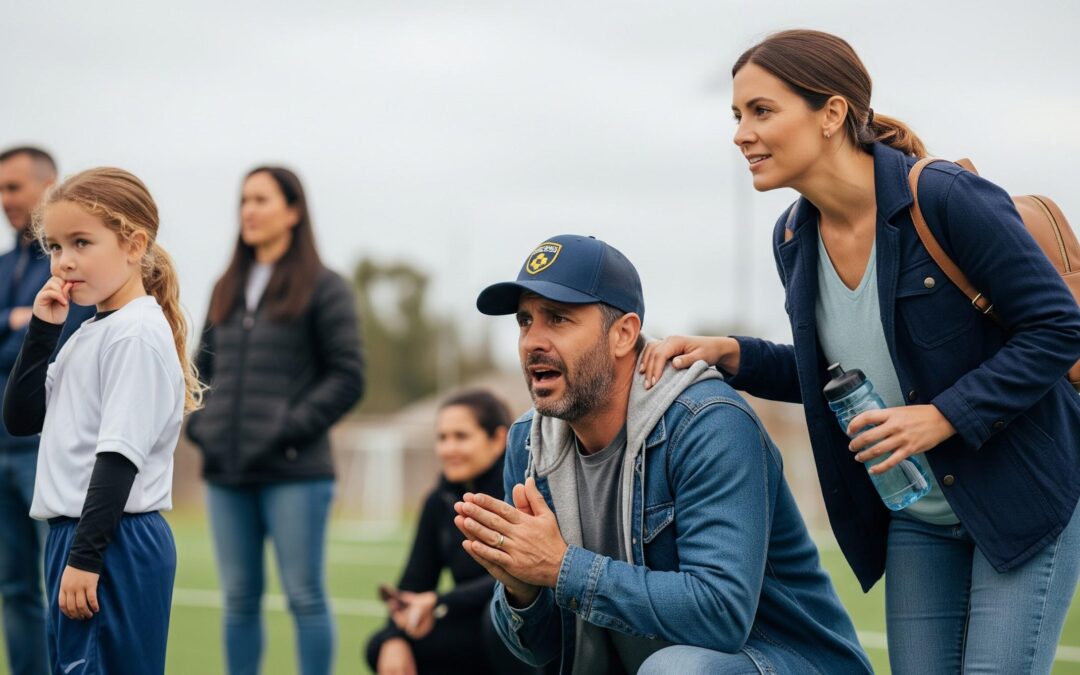
Navigating the world of youth sports as a parent can be both rewarding and overwhelming. The pressure to support your child, manage expectations, and handle the emotional rollercoaster of wins and losses is real. In a recent episode of the Rooted Sport Psychology Show, host Georgia Miller and guest Dr. Jen Fry—a former athlete, college coach, and professional speaker—delve deep into the nuanced challenges parents face and offer actionable, expert-backed advice for fostering healthy, independent, and resilient young athletes.
Below, we break down the main themes and expert tips from the episode, providing you with a comprehensive guide to supporting your child’s athletic journey.
1. Foster Independence and Decision-Making
Why It Matters
Dr. Jen Fry emphasizes that one of the greatest gifts parents can give their children is the ability to make decisions and experience the consequences—good or bad. Shielding kids from failure or making choices for them may feel protective, but it stunts their growth and self-advocacy skills.
Actionable Strategies
- Let Kids Own Their Choices:
If your child wants to quit a team or skip extra practice, let them make that call. Discuss the potential outcomes, but don’t force your agenda.
- Set Clear Expectations and Consequences:
For example, if your child signs up for a club sport with a financial commitment, clarify upfront what happens if they back out. Dr. Fry suggests having the child take responsibility, such as working to pay back fees, rather than forcing participation or guilt-tripping.
- Encourage Problem-Solving:
When issues arise, ask guiding questions:
- “What do you think is the best way to handle this?”
- “What can you learn from this experience?”
Expert Insight
“When parents wrap their kids in bubble wrap, they’re actually limiting their ability to navigate challenges independently. Let them make decisions and learn from the outcomes.” — Dr. Jen Fry
2. Separate Financial Investment from Emotional Expectations
Why It Matters
Youth sports can be expensive, and it’s easy for parents to tie their expectations to the money spent. This can create pressure for both parent and child, leading to resentment and anxiety.
Actionable Strategies
- Focus on Growth, Not ROI:
The only reasonable expectations are that your child is safe, learning, having fun, and growing as a person. Don’t expect a “return on investment” in the form of scholarships or wins.
- Avoid Guilt Trips:
Don’t remind your child of the money spent as a way to motivate or guilt them into performing.
- Communicate Sacrifices Clearly:
Set boundaries about what participation means (e.g., missing social events, travel commitments) without making your child feel responsible for the family’s finances.
Expert Insight
“If you focus solely on the money, you risk having a miserable experience. The investment should be about your child’s growth, not your expectations.” — Dr. Jen Fry
3. Be a Supportive Cheerleader, Not a Sideline Coach
Why It Matters
Parental behavior on the sidelines can significantly impact a child’s confidence and relationship with their coach. Coaching from the stands or critiquing every play undermines the coach’s authority and can confuse or embarrass your child.
Actionable Strategies
- Cheer, Don’t Coach:
Offer encouragement and positive reinforcement. Avoid giving technical advice or instructions during games.
- Model Emotional Regulation:
Stay calm, even when things don’t go your child’s way. Your reactions set the tone for how your child processes setbacks.
- Avoid Post-Game Overanalysis:
The car ride home should be a safe space. Offer a hug and a simple, “I love watching you play.” Let your child lead any deeper conversations about the game.
Expert Insight
“Parents need to be the supportive cheerleaders, not the sideline coaches. Emotional regulation is key—your calm presence helps your child stay resilient.” — Dr. Jen Fry
4. Empower Your Child to Advocate for Themselves
Why It Matters
Learning to communicate with coaches and address concerns is a vital life skill. When parents intervene on issues like playing time, it shifts the focus from the child’s growth to the parent’s emotions and can damage relationships.
Actionable Strategies
- Encourage Direct Communication:
If your child is upset about playing time or team dynamics, help them prepare to talk to the coach themselves. Role-play conversations and offer emotional support.
- Step Back Unless It’s Serious:
Only intervene directly if there are serious issues like bullying or safety concerns.
- Use Journaling:
If you’re struggling with your own emotions, process them privately—through journaling or talking with another adult—before discussing with your child or their coach.
Expert Insight
“Parents should never approach coaches about playing time. Help your child learn to self-advocate instead.” — Dr. Jen Fry
5. Maintain Healthy Boundaries and a Life Outside of Sports
Why It Matters
Being overly involved in your child’s sports life can lead to burnout for both of you. It’s important for parents to maintain their own interests and for children to develop independence.
Actionable Strategies
- Don’t Feel Guilty for Not Attending Every Event:
It’s okay to miss some practices or games. Use that time for your own activities or self-care.
- Encourage Independence:
Let your child manage their own schedule, equipment, and communication with coaches as much as possible.
- Model Balance:
Show your child that sports are just one part of a well-rounded life.
Expert Insight
“You don’t need to be at every practice or game to support your child. Creating healthy boundaries benefits both parent and athlete.” — Dr. Jen Fry
6. Help Your Child Develop an Identity Beyond Sports
Why It Matters
Athletes who see themselves only as “the soccer player” or “the swimmer” can struggle with self-worth and transition when their sports careers change or end.
Actionable Strategies
- Encourage Diverse Interests:
Support your child in exploring hobbies, friendships, and activities outside of sports.
- Use Travel as an Opportunity:
When traveling for tournaments, explore new places and experiences together.
- Promote Team Bonding:
Encourage participation in team-building activities that aren’t just about competition.
Expert Insight
“Help your child see themselves in multiple roles, not just as an athlete. This supports mental health and smooth transitions.” — Georgia Miller
7. Stop Comparing Your Child to Others
Why It Matters
Comparisons can create unnecessary pressure and lead to poor decisions. Every athlete’s journey is unique.
Actionable Strategies
- Focus on Individual Progress:
Celebrate your child’s personal growth and achievements, regardless of how they stack up against others.
- Avoid “Keeping Up with the Joneses”:
Don’t let other families’ choices dictate your own. Make decisions based on what’s best for your child and family.
Expert Insight
“Comparing your child to others leads to poor decisions and unnecessary pressure. Every journey is different.” — Dr. Jen Fry
8. Prioritize Emotional Safety and Growth
Why It Matters
The ultimate goal of youth sports should be to foster resilience, confidence, and joy—not just to win games or earn scholarships.
Actionable Strategies
- Remind Your Child You Love Watching Them Play:
Regularly express your support and pride, regardless of outcomes.
- Help Them Process Setbacks:
When things go wrong, ask, “What can you do differently next time?” rather than focusing on blame.
- Celebrate Effort and Growth:
Recognize hard work, improvement, and sportsmanship as much as victories.
Expert Insight
“The only reasonable expectations are that your child is safe, having fun, learning, and growing as a person.” — Dr. Jen Fry
Final Thoughts and Resources
Parenting a young athlete is a journey filled with challenges, growth, and opportunities for connection. By focusing on independence, emotional regulation, and healthy boundaries, you can help your child thrive both on and off the field.
For more expert advice, listen to the full episode of the Rooted Sport Psychology Show here.
Recommended Resource:
Dr. Jen Fry’s new book, I Said No: How to Have Boundaries and Backbone Without Being a Jerk, offers practical tools for navigating family conflict and building strong communication.
“Remember: Your role is not to be the motivator, coach, or negotiator—but the loving, supportive cheerleader who empowers your child to own their journey.” —Georgia Miller, CMPC, ME
Listen to the full episode here: Rooted Sport Psychology Show – Goal Setting with Georgia Miller & Marius
Goal setting is a cornerstone of athletic success, but it’s also a source of confusion, frustration, and even anxiety for many athletes. In a recent episode of the Rooted Sport Psychology Show, host and sport psychology coach, Georgia Miller, sat down with mental performance consultant, Marius Johnson, to unpack the nuances of effective goal setting. Their conversation goes far beyond the basics, offering a roadmap for athletes and performers who want to set goals that actually drive progress, resilience, and satisfaction.
In this in-depth blog post, we’ll break down the main themes and actionable tips from the episode, providing you with expert-backed strategies to elevate your own goal-setting process.
Rethinking Traditional Goal Setting
Key Insight:
Many athletes have a complicated relationship with goal setting, often due to negative past experiences or misunderstandings about its purpose.
Expert Perspective:
Georgia Miller challenges the conventional approach of focusing solely on long-term and intermediate goals. She notes that for many athletes, especially teams, this can feel abstract or even overwhelming. Instead, she advocates for a shift toward daily, actionable steps and preparing for potential barriers.
Actionable Advice:
- Reflect on your past experiences: If goal setting has felt like a source of pressure or disappointment, consider what didn’t work and why.
- Redefine goal setting: View it as a tool for daily progress and preparation, not just a distant finish line.
The Power of Daily Actionable Steps
Key Insight:
Focusing on what you can do today creates momentum, builds confidence, and makes the journey more enjoyable.
Expert Perspective:
Both Georgia and Marius emphasize the importance of process goals—small, controllable actions you can take each day. This approach keeps you present and engaged, reducing the anxiety that comes from fixating on distant outcomes.
Actionable Advice:
- Identify daily habits: What are the 1-3 actions you can take today that move you closer to your goal? (e.g., a specific training drill, a nutrition habit, a mental routine)
- Celebrate small wins: Recognize and reward yourself for completing these daily steps, reinforcing positive behavior.
- Stay present: Use mindfulness techniques to bring your attention back to the current moment, especially during training or competition.
Breaking Down Long-Term Goals
Key Insight:
Long-term outcome goals (like winning a championship) are important, but they must be broken down into manageable, short-term process goals.
Expert Perspective:
Marius explains that outcome goals can feel overwhelming or vague. By breaking them down, you create a clear, step-by-step path that’s easier to follow and measure.
Actionable Advice:
- Work backwards: Start with your ultimate goal and ask, “What needs to happen this month? This week? Today?”
- Use process goals: Focus on actions within your control, such as technique, effort, or preparation, rather than just results.
- Track progress: Keep a journal or log to monitor your daily and weekly achievements.
Choosing the Right Goal-Setting Framework
Key Insight:
Frameworks like SMART and WOOP can structure your goal-setting process, but the best approach is one that fits your needs and anticipates obstacles.
Expert Perspective:
- SMART Goals: Specific, Measurable, Achievable, Relevant, Time-bound. Good for clarity, but can be too rigid or simplistic.
- WOOP Method: Wish, Outcome, Obstacle, Plan. Marius prefers this because it incorporates planning for barriers, making it more dynamic and realistic.
Actionable Advice:
- Try WOOP for your next goal:
- Wish: What do you want to achieve?
- Outcome: What will it look/feel like when you succeed?
- Obstacle: What might get in your way?
- Plan: What will you do when you encounter this obstacle?
- Customize your framework: Don’t be afraid to blend elements from different models to suit your personality and sport.
Planning for Obstacles: The Missing Link
Key Insight:
Anticipating and preparing for obstacles is crucial for resilience and confidence.
Expert Perspective:
Georgia and Marius both stress that most athletes overlook this step. By identifying potential “roadblocks” and having a plan, you reduce anxiety and increase your ability to adapt under pressure.
Actionable Advice:
- List likely obstacles: Think about what has derailed you in the past—injuries, nerves, schedule changes, etc.
- Develop “if-then” plans: For each obstacle, write down a specific response. (“If I feel anxious before a game, then I’ll use my breathing technique.”)
- Practice mental rehearsal: Visualize encountering and overcoming these obstacles in your mind.
Balancing Flexibility and Routine
Key Insight:
Great athletes are not just consistent—they’re adaptable.
Expert Perspective:
While routines are important, the ability to adjust when things don’t go as planned is what separates good from great performers. Having multiple plans (Plan A, B, C) ensures you’re ready for anything.
Actionable Advice:
- Build flexible routines: Have a core routine, but also practice adapting it in different environments or under stress.
- Prepare backup plans: For key situations, know your alternatives in advance.
- Embrace change: View unexpected challenges as opportunities to grow and learn.
The Role of Long-Term Goals: Direction, Not Pressure
Key Insight:
Long-term goals provide motivation and direction, but shouldn’t become a source of paralyzing pressure.
Expert Perspective:
Marius describes long-term goals as a “beacon of hope” during tough times. Georgia cautions that focusing too much on the end result can hinder performance in the moment.
Actionable Advice:
- Keep your “why” visible: Remind yourself regularly why you’re pursuing your goal, especially during setbacks.
- Balance vision and action: Use long-term goals for motivation, but focus your energy on daily, controllable steps.
- Reframe setbacks: If you don’t achieve the ultimate goal, recognize the progress and growth you’ve made along the way.
Accountability and Visibility: Making Goals Stick
Key Insight:
Writing down and sharing your goals increases commitment and follow-through.
Expert Perspective:
Marius encourages athletes to make their goals visible and share them with others for added accountability. Georgia suggests placing written goals somewhere you’ll see them daily.
Actionable Advice:
- Write it down: Use a journal, phone note, or sticky note on your mirror.
- Share with a trusted person: Tell a coach, teammate, or friend about your goal and your plan.
- Review regularly: Set aside time each week to reflect on your progress and adjust as needed.
Conclusion: A Dynamic, Personalized Approach
Goal setting is not a one-size-fits-all process. As Georgia and Marius highlight, the most effective approach is dynamic, flexible, and tailored to your unique needs and experiences. By combining hope, clear direction, actionable daily steps, and preparation for obstacles, you can transform not only your performance but also your mindset and resilience.
Ready to take your goal setting to the next level?
Listen to the full episode for more insights and practical examples: Rooted Sport Psychology Show – Goal Setting with Georgia Miller & Marius
For personalized support, connect with Georgia or Marius via the show notes. Embrace goal setting as a living, evolving process—and watch your performance and satisfaction soar.
Related Resources:
If you found this post helpful, share it with your team or training group, and subscribe to the Rooted Sport Psychology Show for more expert advice on performance and mindset.
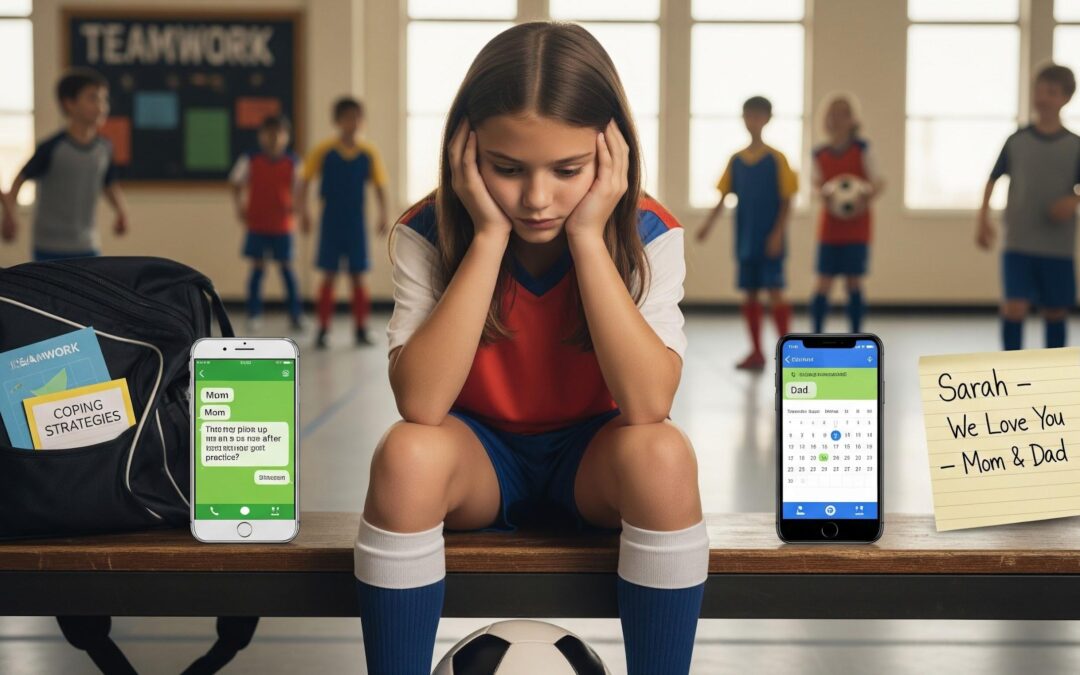
Divorce is a life event that can ripple through every aspect of a child’s world—including their athletic pursuits. As Georgia Miller, host of the Rooted Sport Psychology Show, shares in her latest episode, the emotional and logistical challenges that come with having divorced parents can significantly impact an athlete’s focus, confidence, and enjoyment of their sport.
Drawing from her own experience as a young athlete with divorced parents, Georgia offers three actionable strategies that her parents used to minimize distractions and create a supportive environment. These tips are not just practical—they’re transformative, and they can make a world of difference for any young athlete navigating the complexities of a split family.
Below, we break down each strategy in detail, offering expert insights, actionable advice, and nuanced recommendations to help divorced parents (and those who support them) foster a positive, united front for their children in sports.
The Hidden Impact of Divorce on Young Athletes
Before diving into the strategies, it’s important to understand the unique challenges athletes from divorced families often face:
- Divided Attention: Worrying about which parent will attend the game, or feeling torn between parents, can distract athletes from their performance.
- Emotional Stress: Anxiety about parental interactions or post-game logistics can overshadow the joy of playing.
- Role Reversal: Children may feel responsible for managing communication or logistics between parents, adding unnecessary pressure.
Georgia’s insights highlight that these distractions are not just minor inconveniences—they can fundamentally affect an athlete’s ability to focus, perform, and enjoy their sport.
Strategy 1: Sit Together at Games—Presenting a United Front
What It Is:
Georgia’s parents made a conscious effort to sit together at every game, regardless of their personal differences. This simple act sent a powerful message: “We are here for you, as a family.”
Why It Matters:
- Reduces Anxiety: Athletes no longer have to scan the stands, worry about who showed up, or feel caught in the middle.
- Promotes Unity: Even if parents aren’t on speaking terms, their willingness to sit together demonstrates solidarity and prioritizes the child’s experience.
- Eliminates Distractions: With both parents visible and together, the athlete can focus on the game—not on family dynamics.
Actionable Tips:
- Set Boundaries: Agree in advance to keep conversations neutral and focused on supporting your child.
- Consistency is Key: Make sitting together the norm, not the exception, to provide ongoing reassurance.
- Non-Verbal Support: Even if conversation is minimal, your presence together speaks volumes.
Expert Insight:
Research in child psychology shows that children of divorce benefit from seeing their parents cooperate in public settings. It reassures them that, despite the separation, their support system remains intact.
Strategy 2: Stand Together After Games—Eliminating Awkwardness
What It Is:
After each game, Georgia’s parents would stand together to greet her and her brother. This avoided the classic dilemma: “Who do I go to first?” and removed any awkwardness from the post-game moment.
Why It Matters:
- Simplifies Emotional Choices: Athletes don’t have to choose between parents or worry about hurting anyone’s feelings.
- Creates a Safe Space: The post-game period is emotionally charged; a united parental presence allows the child to process wins or losses without added stress.
- Fosters Celebration and Support: Both parents can share in the highs and lows, reinforcing a sense of family unity.
Actionable Tips:
- Plan Ahead: Decide where you’ll meet your child after the game and stick to it.
- Focus on the Athlete: Keep the attention on your child’s experience, not on parental issues.
- Model Positive Behavior: Even if you’re not close, a cordial, respectful interaction sets a powerful example.
Expert Insight:
Children are highly attuned to parental tension. By standing together and presenting a calm, supportive front, you help your child feel secure and valued, regardless of the game’s outcome.
Strategy 3: Communicate Consistently About Logistics—Remove the Middleman
What It Is:
Georgia’s parents took full responsibility for coordinating rides, schedules, and other logistics. She and her brother were never put in the position of relaying messages or managing plans.
Why It Matters:
- Reduces Stress: Athletes can focus on their sport, not on who’s picking them up or whether plans have changed.
- Prevents Miscommunication: Direct parent-to-parent communication minimizes confusion and last-minute scrambles.
- Empowers the Athlete: Kids can be kids—they don’t have to act as go-betweens or mediators.
Actionable Tips:
- Use Shared Calendars: Digital tools like Google Calendar or Cozi can help both parents stay on the same page.
- Establish Clear Routines: Set regular pick-up/drop-off schedules and communicate any changes directly.
- Keep Kids Out of Adult Conversations: Handle disagreements or changes privately, away from the athlete.
Expert Insight:
When parents handle logistics seamlessly, children feel supported and free to focus on their passions. This level of cooperation models healthy communication and problem-solving skills.
Additional Recommendations for Divorced Parents of Athletes
- Prioritize Your Child’s Experience: Always ask, “What will make my child feel most supported today?”
- Seek Professional Guidance: If co-parenting challenges persist, consider working with a family therapist or sport psychologist.
- Share the Episode: If you know another family navigating similar challenges, share this Rooted Sport Psychology Show episode for practical, empathetic advice.
Final Thoughts: Selflessness Makes the Difference
Georgia Miller’s story is a testament to the power of selfless parenting. By putting aside their differences and focusing on their children’s needs, her parents created an environment where she and her brother could thrive—not just as athletes, but as confident, supported individuals.
If you’re a divorced parent, these strategies can help you provide the stability and encouragement your athlete needs to succeed. And if you’re a coach, teacher, or friend, sharing these insights can make a meaningful difference in a young athlete’s life.
Listen to the full episode of the Rooted Sport Psychology Show here.
Introduction
In a recent episode of the Rooted Sport Psychology Show, host Georgia Miller sat down with Kara, a registered sports dietitian with a rich background in collegiate and professional athletics. Their conversation dives deep into the intersection of nutrition and mental performance, offering actionable strategies and expert insights for athletes, coaches, and parents. This blog post unpacks the main themes and nuanced advice from the episode, providing a comprehensive guide to optimizing both physical and mental performance through individualized nutrition.
Kara’s Journey: From Athlete to Sports Dietitian
Kara’s story is a testament to the transformative power of nutrition. As a former collegiate gymnast and diver, she struggled with under-fueling, frequent injuries, and poor recovery—until a sports dietitian helped her understand the importance of proper nutrition. This pivotal experience not only improved her athletic performance and mental clarity but also inspired her to pursue a career in sports dietetics. Today, Kara works with athletes at all levels, tailoring nutrition strategies to their unique needs through her business, Big League Nutrition, and her work with Rise Nutrition.
The Interplay Between Nutrition and Mental Performance
Why Nutrition Matters for the Mind
Kara and Georgia emphasize that nutrition is not just about fueling the body—it’s fundamental to mental performance. Inadequate nutrition can lead to:
- Irritability and mood swings
- Difficulty concentrating
- Decreased patience and emotional regulation
- Increased risk of injury and poor recovery
These symptoms often go unrecognized, especially among younger athletes, but they can significantly undermine both training and competition outcomes.
Actionable Tips for Athletes: Building a Nutrition Routine That Supports Mental and Physical Performance
1. Prioritize Simple, Sustainable Habits
Key Insight: Nutrition should be as routine and stress-free as brushing your teeth.
- Start Small: If breakfast is a challenge, begin with a banana or a granola bar. Consistency is more important than perfection.
- Snack Regularly: Eating small snacks during long training sessions or competitions helps maintain stable energy and mental clarity.
- Make It Routine: Integrate nutrition into your daily schedule so it becomes second nature, not a source of anxiety.
Expert Advice: Avoid overcomplicating your nutrition plan. Focus on what you can do consistently, and build from there.
2. Individualize Your Nutrition Strategy
Key Insight: There is no one-size-fits-all approach—what works for one athlete may not work for another.
- Assess Your Unique Needs: Consider your sport, position, age, training load, and even your personal history with food.
- Adapt to Your Circumstances: Whether you’re on a tight budget or have access to premium foods, there are always practical options (e.g., frozen fruits, canned beans, simple snacks).
- Listen to Your Body: Pay attention to how different foods make you feel during training and competition.
Expert Advice: Don’t mimic teammates or follow trends blindly. Work with a professional to tailor your nutrition plan to your specific needs.
3. Recognize the Signs of Under-Fueling
Key Insight: Many athletes don’t realize they’re under-fueling until symptoms appear.
Common Warning Signs:
- Digestive issues
- Headaches or lightheadedness
- Irritability or mood swings
- Difficulty focusing
- Poor sleep
- Frequent injuries or slow recovery
Action Steps:
- Track your symptoms and eating patterns over several weeks.
- Consult a sports dietitian if you notice persistent issues.
Expert Advice: Early intervention can prevent long-term setbacks and support both physical and mental health.
4. Gradually Introduce New Nutrition Strategies
Key Insight: Don’t try new foods or routines on game day.
- Test During Training: Use practice sessions to experiment with pre-competition meals and snacks.
- Build Confidence: Gradual changes help reduce anxiety about feeling heavy, bloated, or sluggish.
- Develop Backup Plans: Know what to do if you experience cramping, fatigue, or other issues during competition.
Expert Advice: Work with your support team (coaches, trainers, dietitians) to create both primary and backup nutrition plans.
5. Foster Autonomy and Confidence in Nutrition Choices
Key Insight: Empowering athletes to make their own nutrition decisions builds confidence and independence.
- Encourage Self-Reflection: Help athletes understand the impact of their choices on performance and well-being.
- Support Small Wins: Celebrate incremental progress, such as adding a piece of fruit to breakfast.
- Avoid All-or-Nothing Thinking: Progress is not linear—focus on consistency, not perfection.
Expert Advice: Parents should trust their children’s ability to listen to their bodies, and athletes should give themselves permission to make gradual changes.
6. Address the Mental Side of Nutrition
Key Insight: Nutrition and mental health are deeply intertwined.
- Identify Barriers: Stress, anxiety, and negative self-talk can all impact eating behaviors.
- Collaborate with Professionals: A multidisciplinary support network (nutritionists, psychologists, coaches) is essential for holistic athlete care.
- Short, Frequent Check-Ins: Brief, regular conversations about nutrition are more effective than infrequent, lengthy sessions.
Expert Advice: Sometimes, mental health challenges must be addressed before meaningful nutrition changes can occur.
Overcoming Common Challenges
Fast Food and Busy Schedules
- Understand the “Why”: Is fast food a result of time constraints, stress, or lack of cooking skills?
- Find Practical Solutions: Prepare simple, portable snacks or meals in advance to avoid last-minute unhealthy choices.
Anxiety About Food Choices
- Establish Routines: Consistent pre-competition meals reduce anxiety and free up mental energy for performance.
- Educate and Empower: Knowledge about nutrition helps athletes make informed, confident decisions.
Final Takeaways: Progress Over Perfection
Kara’s closing advice is clear: Nutrition is a journey, not a destination. Change takes time, and setbacks are normal. Focus on small, sustainable steps, and don’t be discouraged by slow progress. Trust your body, seek support when needed, and remember that both mental and physical performance are fueled by intentional, individualized nutrition.
Connect with Kara and Georgia
Kara (Big League Nutrition):
Website: https://www.bigleaguenutrition.com/
Email: [email protected]
Georgia Miller (Rooted Sport Psychology Coaching):
Website: https://rootedsportpsychcoach.com/request-consultation/
Email: [email protected]
Listen to the full episode of the Rooted Sport Psychology Show here.
Conclusion
The intersection of nutrition and mental performance is complex, nuanced, and deeply personal. By embracing individualized strategies, fostering autonomy, and building a supportive network, athletes can unlock their full potential—both on and off the field. For more expert insights and practical advice, be sure to tune in to the Rooted Sport Psychology Show.