By Georgia Miller, Host of the Rooted Sport Psychology Show
Gratitude is a word we hear often, especially around Thanksgiving. But for athletes and performers, it’s more than just a seasonal sentiment—it’s a powerful tool that can transform your mental game, boost resilience, and help you thrive through setbacks. In the latest episode of the Rooted Sport Psychology Show, I, Georgia Miller, dive deep into how gratitude can be a game-changer for athletes at every level.
In this blog post, I’ll break down the main themes from the episode, offer actionable tips, and provide expert insights to help you incorporate gratitude into your daily routine. Whether you’re an athlete, coach, or simply someone looking to strengthen your mindset, these strategies will help you harness the full power of gratitude.
Why Gratitude Matters in Sports Psychology
Gratitude isn’t just a feel-good buzzword—it’s a proven psychological tool that can:
- Foster Positive Emotions: Counteracts stress and anxiety, helping you stay calm and composed under pressure.
- Build Resilience: Equips you to handle setbacks, injuries, and losses with a growth mindset.
- Reduce Negative Distractions: Shifts your focus away from comparison, perfectionism, and frustration.
- Enhance Present-Moment Focus: Keeps your attention grounded in the here and now, which is essential for peak performance.
Let’s break down each of these benefits and explore how you can make gratitude a practical part of your daily routine.
1. Gratitude Builds Resilience in the Face of Setbacks
Key Insight: When athletes practice gratitude, they’re better equipped to handle adversity. Instead of fixating on what’s going wrong, they focus on what’s going right—supportive teammates, opportunities to compete, or personal progress.
Actionable Advice:
- Reframe Setbacks: When you experience a loss or injury, ask yourself, “What can I be grateful for in this situation?” Maybe it’s the chance to learn, the support you receive, or simply the opportunity to play.
- Growth Mindset Reflection: At the end of each day, reflect on challenges and identify what you gained from them—resilience, patience, or new skills.
Expert Tip: This shift in perspective helps you bounce back faster and maintain a positive mindset, rather than spiraling into negativity.
2. Gratitude Activates Positive Emotions and Calms Nerves
Key Insight: Gratitude triggers positive emotions that counterbalance stress and anxiety. This is especially valuable before competitions, when nerves can run high.
Actionable Advice:
- Pre-Performance Gratitude Ritual: Before a game or event, take 30-60 seconds to list three things you’re grateful for. This grounds you, calms your mind, and sets a positive tone.
- Morning Gratitude Practice: Start your day by acknowledging simple things—your bed, a good night’s sleep, or the breakfast you’re about to eat. This immediately shifts your mindset to a positive, motivated state.
Expert Tip: Even a brief gratitude practice can have a significant impact on your emotional state and performance readiness.
3. Gratitude Reduces Negative Thought Patterns
Key Insight: Negative thoughts like comparison, perfectionism, and frustration can erode confidence and distract you from the present moment. Gratitude helps break this cycle.
Actionable Advice:
- Interrupt Negative Self-Talk: When you catch yourself comparing or criticizing, pause and identify something you’re grateful for in that moment.
- Gratitude as a Distraction Tool: Use gratitude to redirect your focus from what’s lacking to what’s abundant in your life and sport.
Expert Tip: This practice not only boosts confidence but also helps you stay present and engaged during training and competition.
4. Making Gratitude a Daily Habit: Practical Routines
Key Insight: Gratitude doesn’t require hours of journaling or meditation. Just 30-60 seconds a day can yield big results.
Actionable Advice:
- Morning Routine: Before getting out of bed, say or write down three things you’re grateful for. Keep it simple or go deep—whatever feels right.
- On-the-Go Practice: Use your commute or walk to practice gratitude. Turn off distractions and spend a minute reflecting on what you appreciate.
- Example from the Podcast: A softball player used her 30-minute commute to practice gratitude, leading to a noticeable shift in her attitude and resilience.
- Evening Reflection: Before bed, review your day and find small moments to be grateful for, especially in tough situations. This helps reinforce a growth mindset and prepares you for tomorrow.
Expert Tip: Consistency is key. The more regularly you practice, the more natural and impactful gratitude becomes.
5. Using Gratitude to Improve Relationships and Team Dynamics
Key Insight: Gratitude isn’t just about personal growth—it can also transform how you interact with others.
Actionable Advice:
- Replace Judgment with Gratitude: When you feel critical or annoyed by someone, look for something to appreciate about them or the situation. Maybe it’s an opportunity to practice patience or empathy.
- Express Appreciation: Take time to thank teammates, coaches, or support staff. A simple “thank you” can strengthen bonds and create a more positive team environment.
Expert Tip: This approach not only improves your relationships but also helps you stay focused on your own performance, rather than getting distracted by others’ actions.
Final Thoughts: Make Gratitude a Year-Round Practice
Gratitude isn’t just for Thanksgiving—it’s a daily practice that can transform your mindset, resilience, and performance. Start small, stay consistent, and watch as your mental game grows stronger.
In the latest episode of the Rooted Sport Psychology Show, host Georgia Miller delivers a powerful message for athletes and performers: your unique gifts are meant to be used, developed, and multiplied—not hidden away out of fear. Drawing inspiration from the Parable of the Talents in Matthew 25, Georgia offers a faith-based perspective on how Christian athletes (and anyone with a passion for performance) can overcome fear, maximize their potential, and glorify God through their sport.
This blog post breaks down the main themes and actionable tips from the episode, providing in-depth guidance for athletes who want to integrate their faith, conquer self-doubt, and make a positive impact on their teams and communities.
The Parable of the Talents: A Blueprint for Athletic Growth
The Parable of the Talents tells the story of a master who entrusts his servants with varying amounts of money (talents) before leaving on a journey. Two servants invest and double their talents, while the third, paralyzed by fear, buries his single talent in the ground. Upon the master’s return, the first two are praised for their initiative and growth, while the third is reprimanded for his inaction.
Key Takeaway:
Every athlete is given unique gifts—some more, some less—but the expectation is the same: to invest, grow, and multiply those gifts, not to hide them out of fear.
Actionable Tips for Athletes: Using Your Talents to the Fullest
1. Identify and Own Your Unique Gifts
“Figure out what you’re good at—that’s your gift—and go use it.”
How to Identify Your Gifts:
- Reflect on Your Strengths: What skills or qualities do coaches, teammates, or friends consistently praise you for?
- Ask for Feedback: Sometimes, others see our gifts more clearly than we do. Ask trusted mentors or teammates what they see as your standout abilities.
- Notice What Energizes You: Pay attention to moments in practice or competition when you feel most alive or “in the zone.”
Action Steps:
- Write down your top 2-3 athletic strengths.
- Commit to using them intentionally in your next practice or game.
Expert Insight:
Even if your gift isn’t the most glamorous—like being the team’s encourager or comic relief—own it. Every role matters, and your unique contribution can lift the entire team.
2. Overcome the Fear of Failure
“Are you really using the gift God gave you? Or are you playing not to make mistakes?”
Understanding the Fear:
- Fear of failure often leads to playing it safe, which means hiding your talents.
- This mindset not only limits your growth but also deprives your team of your full potential.
Strategies to Conquer Fear:
- Reframe Mistakes: View errors as opportunities for growth, not as evidence of inadequacy.
- Trust Your Preparation: Remind yourself of the work you’ve put in and the skills you’ve developed.
- Hand Over Your Fears: As Georgia suggests, “Hand over your fears to God.” Use prayer or meditation to release anxiety and refocus on your purpose.
Action Steps:
- Set a “risk goal” for each game: For example, “I will take at least three bold shots,” or “I will lead the team huddle.”
- After each performance, journal about what you learned from both successes and mistakes.
Real-World Example:
Georgia shares the story of a soccer player with exceptional dribbling skills who was afraid to take risks. By trusting her abilities and pushing past her fear, she not only contributed more to her team but also experienced greater joy and confidence.
3. Invest in and Develop Your Talents
“God doesn’t want you to play it safe and hide your gifts. That’s not why He gave them to you.”
What It Means to Invest:
- Practice with Purpose: Don’t just go through the motions—set specific goals to improve your strengths.
- Seek Feedback and Coaching: Be open to constructive criticism and actively look for ways to grow.
- Embrace New Roles: Sometimes, your gifts may lead you to unexpected opportunities, like leadership or mentorship.
Action Steps:
- Create a development plan: Identify one skill to focus on each month and track your progress.
- Volunteer for new responsibilities: If you have leadership potential, offer to lead warm-ups or team meetings.
Expert Advice:
You may not love your gift right away, especially if it comes with pressure or responsibility. But as you invest in it, you’ll grow to appreciate its impact—not just on your performance, but on your team and community.
4. Use Your Gifts to Glorify God and Serve Others
“He wants you to be aggressive, to get the job done, and to inspire others along the way.”
Living Out Your Faith in Sport:
- Play with Integrity: Compete hard, but always with respect for opponents, officials, and teammates.
- Be a Light: Use your platform to encourage, uplift, and set a positive example.
- Incorporate Prayer: Make prayer a part of your mental skills routine—before, during, and after competition.
Action Steps:
- Start each practice or game with a short prayer, asking for courage and clarity.
- Look for ways to serve your teammates, whether through encouragement, support, or leadership.
Broader Application:
Even if you’re not an athlete, these principles apply. Everyone has gifts that can be invested in and used to make a difference—whether in sports, academics, or any other field.
Conclusion: Compete Boldly, Invest Deeply, Serve Faithfully
The Parable of the Talents isn’t just a story about money—it’s a call to action for every athlete and performer. Don’t bury your gifts out of fear. Identify them, invest in them, and use them boldly to glorify God and serve your team.
Listen to the full episode of The Rooted Sport Psychology Show with Georgia Miller here.
Whether you’re an athlete, a performer, or simply someone striving to excel in your daily work, how you handle the moments after a performance or a long day can make all the difference. In a recent episode of The Rooted Sport Psychology Show, host and sport psychology coach Georgia Miller dives deep into the often-overlooked but transformative practice of post-game routines. Drawing from her experience with athletes and real-life examples, Georgia offers a nuanced, actionable guide to building routines that foster emotional balance, consistent growth, and a healthy sense of self-worth.
Below, we break down the main themes and expert tips from the episode, providing you with a comprehensive roadmap to create your own effective post-game (or post-work) routine.
Why Post-Game Routines Matter
Before we get into the “how,” it’s crucial to understand the “why.” Georgia emphasizes that post-game routines serve several vital purposes:
- Consistency Amidst Chaos: No matter the outcome—victory, defeat, or an average day—a routine provides a stable anchor. This consistency helps you avoid emotional whiplash, keeping your self-worth steady and your mind clear.
- Emotional Regulation: Routines help you process emotions in a healthy way, preventing you from riding the highs too long or sinking into the lows.
- Portability: Your routine travels with you, offering comfort and familiarity whether you’re at home, on the road, or in a new environment.
- Growth Mindset: By evaluating performance constructively, you focus on long-term improvement rather than obsessing over single outcomes.
Real-World Example: Breaking the Cycle of Self-Punishment
Georgia shares the story of a college baseball player trapped in a hitting slump. His instinct was to isolate and punish himself after bad games, believing his worth was tied to his performance. This only deepened his slump and sense of failure. By helping him develop a balanced post-game routine—including social connection and realistic self-assessment—Georgia guided him out of the cycle, showing that sometimes the best way to improve is to step back, have fun, and remember you’re more than your last performance.
Three Expert Tips for Building a Powerful Post-Game Routine
1. Allow Yourself a Cooldown Period
Why it matters:
After intense performance—whether on the field or in the office—your emotions and adrenaline are running high. Jumping straight into analysis or social interaction can lead to poor decisions, unnecessary conflict, or emotional outbursts.
How to implement:
- Set a Timeframe: Give yourself about 30 minutes to decompress. This isn’t wasted time; it’s essential for resetting your mind and body.
- Choose Your Method:
- Physical Activity: Light exercise, stretching, or a walk can help release tension and transition your body out of “performance mode.”
- Quiet Reflection: Sit quietly, listen to calming music, or practice deep breathing.
- Routine Rituals: Some athletes have specific rituals—like a post-game snack or a shower—that signal the end of competition and the start of recovery.
- Adapt for Your Life:
- After Work: Take a short walk before engaging with family, or have a healthy snack to refuel and reset.
- For Parents: Use the drive home as a mental cooldown, listening to a favorite podcast or audiobook.
Expert Insight:
Prioritizing this cooldown ensures you show up as your best self for others and for your own recovery. It’s not selfish—it’s strategic.
2. Assess Your Performance Thoughtfully
Why it matters:
Reflection is key to growth, but it must be balanced. Focusing only on mistakes breeds negativity, while ignoring them stunts improvement. Georgia’s approach is both practical and psychologically sound.
How to implement:
- Two Positives, Two Improvements:
- Identify Two Things That Went Well: This reinforces strengths and builds confidence. For example, a golfer might note a well-executed shot or a positive attitude under pressure.
- Identify Two Things to Improve: Phrase these constructively. Instead of “I was terrible at X,” ask, “What could have been better?” This keeps the focus on growth, not self-criticism.
- Create a Simple Action Plan:
- Be Specific: If you struggled with focus, plan a mindfulness exercise for next time. If your communication faltered, set a goal to check in with teammates or colleagues earlier.
- Write It Down: Journaling your reflections and plans can solidify learning and provide a record of progress.
- Keep It Short: Don’t dwell for hours. Ten minutes of focused reflection is more effective than endless rumination.
Expert Insight:
Balanced self-assessment keeps you humble, motivated, and resilient. It prevents your identity from being hijacked by a single performance.
3. Connect with Others or Do Something Enjoyable
Why it matters:
Isolation and self-punishment after a poor performance can create a destructive cycle, as Georgia’s baseball player example illustrates. Social connection and joy are powerful antidotes.
How to implement:
- Reach Out:
- Spend Time with Supportive People: Friends, family, or teammates can remind you of your value beyond performance.
- Engage in Group Activities: Go out for a meal, play a game, or simply hang out.
- Do What You Love:
- Watch a Favorite Show: Laughter and relaxation help reset your mood.
- Enjoy a Hobby: Read, cook, or pursue any activity that brings you joy and perspective.
- Set Boundaries:
- Avoid Rehashing the Game/Day: If you need a break from talking about performance, let others know.
- Balance Reflection and Fun: It’s okay to process your feelings, but don’t let them dominate your evening.
Expert Insight:
Your worth is not defined by a single game, project, or performance. Reconnecting with life outside your role is essential for long-term well-being and success.
Putting It All Together: Your Personalized Post-Game Routine
A great post-game routine is not one-size-fits-all. It should reflect your needs, personality, and lifestyle. Here’s a sample structure to get you started:
- Cooldown (30 minutes): Walk, stretch, or relax quietly.
- Reflect (10 minutes): Note two positives and two areas for improvement. Make a simple plan for next time.
- Reconnect (the rest of the evening): Spend time with loved ones or do something enjoyable.
Final Thoughts
Post-game routines are more than just a way to “move on” from a performance—they’re a foundation for emotional stability, consistent growth, and a healthy sense of self. By cooling down, reflecting thoughtfully, and reconnecting with life outside your role, you set yourself up for long-term success and fulfillment.
Listen to the full episode of the Rooted Sport Psychology Show here.
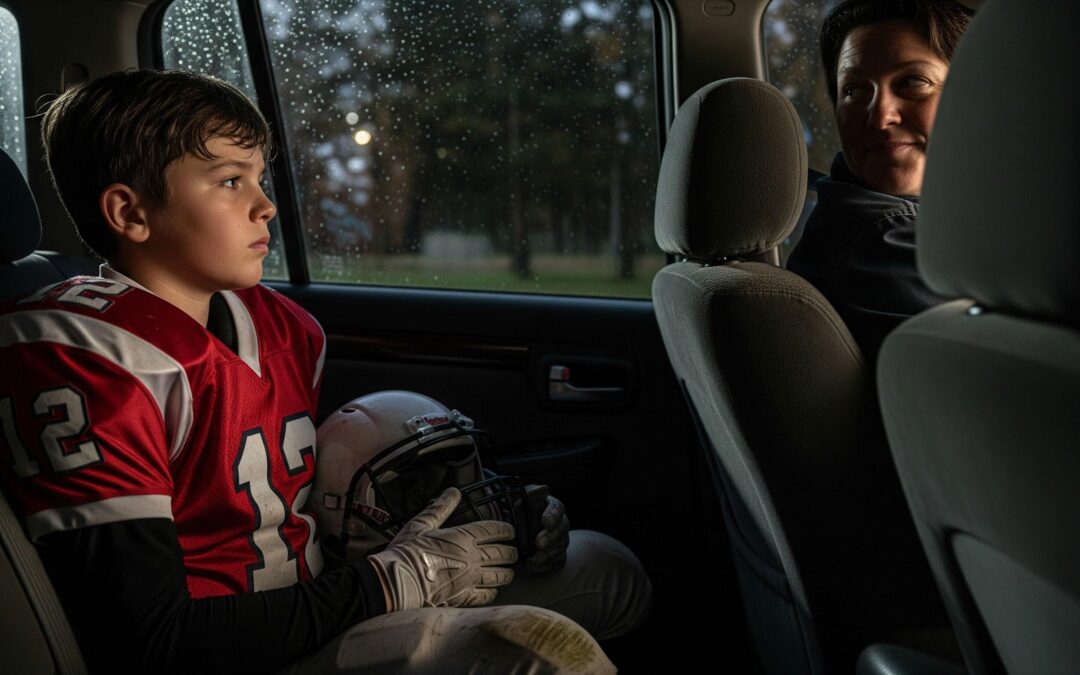
The moments after a game or competition are pivotal for young athletes—and for their parents. The “car ride home” is more than just a commute; it’s a crossroads where emotions, expectations, and relationships intersect. For some athletes, it’s a time to decompress and connect. For others, it’s a source of anxiety, where fear of criticism overshadows the joy of playing.
In this episode of the Rooted Sport Psychology Show, host Georgia Miller dives deep into the psychology of the car ride home, offering six actionable tips for parents to help their athletes process post-game emotions, avoid playing scared, and foster growth both on and off the field. Whether you’re a sports parent, athlete, or coach, these insights will help you turn the car ride home into a powerful tool for building resilience and confidence.
Why the Car Ride Home Matters
The car ride home is often the last moment an athlete spends with a parent after a game and the first moment before the next. What happens in this space can set the tone for how athletes process setbacks, celebrate wins, and approach future challenges. If the ride is filled with criticism or second-guessing, athletes may start playing to avoid mistakes rather than to excel. If it’s supportive and constructive, it becomes a launchpad for growth.
Key Takeaway:
Your words and actions during the car ride home can either fuel frustration and fear or foster resilience and self-belief.
1. Allow a Cooldown Period
Why It Matters:
Immediately after a game, athletes are often flooded with adrenaline, disappointment, or excitement. Jumping into analysis or critique at this moment is like trying to fix a hot engine—it rarely ends well.
Actionable Advice:
- Wait 20–30 minutes before discussing the game. Let emotions settle.
- Embrace silence. Sometimes, the best support is simply being present.
- Let your athlete lead. If they want to talk, listen. If not, respect their space.
Expert Insight:
This cooldown isn’t about ignoring your child; it’s about giving them the space to process. Athletes are more receptive to feedback and reflection once their emotions have cooled.
2. Stay Curious, Not Critical
Why It Matters:
Criticism—especially right after a tough game—can make athletes defensive and shut down communication. Curiosity, on the other hand, invites reflection and ownership.
Actionable Advice:
- Ask open-ended questions:
- “What did you do really well today?”
- “What challenged you the most?”
- “What’s one thing you might do differently next time?”
- Avoid “why” questions like “Why did you miss that shot?” These often feel accusatory.
- Encourage self-assessment rather than providing your own play-by-play.
Expert Insight:
Curiosity helps athletes develop a growth mindset. It shifts the focus from external validation to internal learning, empowering them to find their own solutions.
3. Highlight Positives Within Their Control
Why It Matters:
Many athletes, especially those with perfectionist tendencies, are already acutely aware of their mistakes. They don’t need reminders—they need help seeing their progress.
Actionable Advice:
- Focus on effort, attitude, and resilience:
- “I loved how you hustled after that turnover.”
- “You kept your head up even after that tough call.”
- Celebrate process-driven wins (e.g., sportsmanship, teamwork, bouncing back from mistakes) over outcome-driven ones (e.g., goals scored, games won).
- Help them see the bigger picture: Growth isn’t always reflected on the scoreboard.
Expert Insight:
Reinforcing what’s within their control builds confidence and good habits. It teaches athletes to value the journey, not just the destination.
4. Help Your Athlete Switch Out of Athlete Mode
Why It Matters:
Sports are something your child does—not who they are. Helping them transition out of “athlete mode” after a game supports a healthy identity and prevents burnout.
Actionable Advice:
- Change the subject: Ask, “Where do you want to eat?” or “What movie should we watch tonight?”
- Plan non-sports activities after games, especially during tournaments.
- Remind them of their value outside of sports: “I love watching you play, but I love you for who you are.”
Expert Insight:
A healthy athletic identity is balanced. When athletes see themselves as more than their performance, they’re less likely to tie self-worth to results and more likely to enjoy the game.
5. Keep Coach and Teammate Talk Positive or Neutral
Why It Matters:
Venting about coaches or teammates can encourage blame and externalize responsibility. It also undermines team culture and your athlete’s ability to handle adversity.
Actionable Advice:
- Let your athlete vent, but don’t pile on. Listen, empathize, and then guide them toward solutions.
- Ask solution-oriented questions:
- “What can you do to earn more playing time?”
- “How might you handle that situation differently next time?”
- Avoid negative talk about coaches or teammates. If you disagree with a decision, keep your comments neutral.
Expert Insight:
Focusing on what your athlete can control—rather than what others did or didn’t do—builds accountability and resilience.
6. Maintain Consistent Body Language and Tone
Why It Matters:
Unpredictable reactions—whether overly enthusiastic after wins or cold after losses—can make athletes anxious and distract them from their performance.
Actionable Advice:
- Be steady and predictable. Your athlete should know what to expect from you, win or lose.
- Keep your body language open and supportive. If you usually give a hug, keep doing it.
- Never make love or respect conditional on performance. Make it clear that your support is unwavering.
Expert Insight:
Consistency in your reactions helps athletes feel safe and supported. When they know your love isn’t tied to results, they’re more likely to play freely and confidently.
Final Thoughts: Turning the Car Ride Home into a Growth Opportunity
Every family’s dynamic is unique, but the principles of support, curiosity, and consistency are universal. The car ride home is a powerful opportunity to build resilience, confidence, and a lifelong love of sport in your athlete.
If you’re looking for personalized support—whether it’s communication strategies, balancing the roles of parent and coach, or handling specific challenges—Georgia Miller and the Rooted Sport Psychology team are here to help.
Listen to the full episode of the Rooted Sports Psychology Show here.
Key Takeaways for Sports Parents
- Give space after games. Let emotions settle before talking.
- Ask curious, open-ended questions. Avoid criticism.
- Highlight effort and attitude. Focus on what your athlete can control.
- Help your child transition out of athlete mode. Support a balanced identity.
- Keep talk about coaches and teammates positive or neutral. Guide toward solutions.
- Be consistent in your reactions. Show unconditional support.
By mastering the car ride home, you’re not just supporting your athlete’s performance—you’re shaping their mindset, resilience, and love for the game.
In the world of sports and performance, the difference between being outcome-focused and process-focused can make or break your experience—and your results. In a recent episode of the Rooted Sport Psychology Show, host Georgia dives deep into this crucial distinction, offering actionable strategies for athletes and performers who want to break free from the anxiety and pressure of chasing results and instead find fulfillment and success in the process.
This blog post unpacks Georgia’s expert advice, breaking down each tip with in-depth explanations, practical examples, and nuanced insights. Whether you’re an athlete, coach, or performer, these strategies will help you cultivate a mindset that leads to both better performance and greater enjoyment.
Why Outcome Focus Can Sabotage Performance
Georgia opens the episode by describing a common scenario: athletes who suddenly find themselves in a slump, unable to perform at their best. The culprit? A shift from a process-oriented mindset to an outcome-oriented one.
The Pitfalls of Outcome Focus
- Anxiety and Tension: When you fixate on results—like winning, stats, or others’ opinions—you create internal pressure. This often leads to anxiety, muscle tension, and overthinking.
- Loss of Presence: Focusing on the future (e.g., “What if I lose?”) or the past (e.g., “I can’t believe I missed that shot”) pulls you out of the present moment, where performance actually happens.
- Playing It Safe: Fear of mistakes or failure can cause you to hold back, play conservatively, or second-guess your decisions.
Real-World Examples
- Golf: A golfer obsessed with their score is less likely to focus on the plan and feel of their next shot.
- Baseball: A pitcher who’s worried about loaded bases and the need for a strikeout is less likely to execute their pitch with confidence and precision.
The Power of Process Focus
Georgia’s core message is clear: shifting your attention to the process—what you can control in the moment—leads to better performance and a more rewarding experience. Here’s how you can make that shift, step by step.
1. Set Controllable, Process-Oriented Goals
Why It Matters:
Outcome goals (like “win the game” or “score 20 points”) are tempting, but they’re often outside your direct control. Process goals, on the other hand, focus on actions and behaviors you can influence right now.
How to Do It:
- Identify Controllables:
- Your effort
- Your attitude
- Your focus on specific tasks (e.g., “keep my eye on the ball,” “communicate with teammates”)
- Your preparation and routines
- Examples of Process Goals:
- “I will be aggressive on defense every possession.”
- “I will commit to my pre-shot routine before every golf swing.”
- “I will focus on my breathing between pitches.”
- Actionable Advice:
- Before each competition or performance, write down 2-3 process goals.
- Review them during breaks or timeouts to stay anchored in the present.
- After the event, evaluate your success based on these goals, not just the final score.
Expert Insight:
Georgia emphasizes that process goals shift your mindset from thinking to doing. This reduces overthinking and helps you perform with more confidence and freedom.
2. Reevaluate What You’re Playing For
Why It Matters:
Your motivation shapes your focus. When you’re driven by external validation (like praise, approval, or fear of failure), you’re more likely to become outcome-focused and anxious.
How to Do It:
- Reflect on Your Best Performances:
- Ask yourself: “When I was at my best, what was I playing for?”
- Common answers: love of the game, enjoyment, personal growth, mastery of a skill.
- Contrast with Slumps:
- When performance dips, are you playing to avoid mistakes, impress others, or chase stats?
- Notice if your motivation has shifted from intrinsic (internal) to extrinsic (external).
- Align with Intrinsic Motivators:
- Reconnect with what you love about your sport or craft.
- Set intentions before each performance: “Today, I’m playing to challenge myself and enjoy the competition.”
Actionable Advice:
- Journal about your motivations regularly.
- Use reminders (notes, mantras, or visual cues) to keep your focus on intrinsic reasons.
- If you notice yourself slipping into outcome focus, pause and reset your intention.
Expert Insight:
Georgia notes that even elite athletes can fall into the trap of playing for external validation. The key is to continually realign your motivations with what you can control and what truly matters to you.
3. Find Success in the Process, Not Just the Outcome
Why It Matters:
If you only define success by the final result, you’ll ride an emotional rollercoaster and miss out on valuable growth. Celebrating process-driven success builds resilience and long-term confidence.
How to Do It:
- Redefine Success:
- Success = executing your process to the best of your ability, regardless of the outcome.
- Example: “I studied hard and stuck to my plan, even if the test was tough.”
- Celebrate Effort and Execution:
- After each performance, ask: “Did I stick to my process goals?”
- Recognize and reward yourself for effort, focus, and commitment.
- Learn from Outcomes, Don’t Dwell on Them:
- Use results as feedback, not as a measure of your worth or ability.
- Adjust your process based on what you learn, but keep your self-evaluation rooted in controllable actions.
Actionable Advice:
- Debrief after games or performances with a focus on process: “What did I do well? What can I improve next time?”
- Share process wins with coaches, teammates, or supporters to reinforce this mindset.
Expert Insight:
Georgia highlights that this approach not only improves performance but also makes the journey more enjoyable and sustainable. It’s about building a foundation of confidence that isn’t shaken by every win or loss.
Making Process Focus a Habit
Georgia reminds listeners that maintaining a process focus is a continual practice. Even the most experienced athletes can slip back into outcome thinking. The key is to notice when it happens and gently bring your attention back to the process.
Tips for Staying Process-Focused:
- Use routines and rituals to anchor your attention before and during performance.
- Work with a coach or sport psychologist to develop personalized process goals.
- Reach out for support if you find yourself stuck in outcome focus—Georgia offers her contact information in the show notes for those who want guidance.
Conclusion: Trust the Process for Lasting Success
The path to consistent, high-level performance isn’t about obsessing over results—it’s about embracing and trusting the process. By focusing on what you can control, aligning your motivations, and celebrating process-driven success, you’ll not only perform better but also enjoy your sport or craft more deeply.