
Navigating the World of Club Sports: A Deep Dive into Pros, Cons, and Expert Strategies
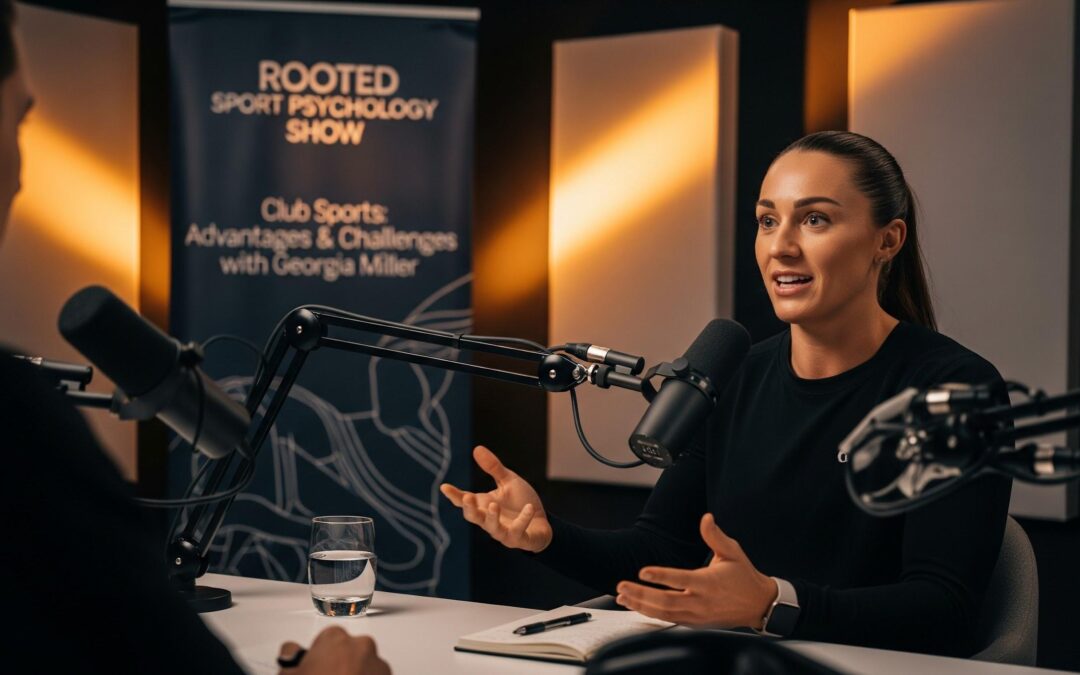
Listen to the full episode of the Rooted Sport Psychology Show with Georgia Miller here.
Club sports have become a defining feature of youth athletics, offering athletes opportunities that extend far beyond the traditional school season. In a recent episode of the Rooted Sport Psychology Show, host Georgia Miller—an experienced club athlete, coach, and recruiter—unpacks the nuanced landscape of club sports. Drawing from her extensive background, Georgia provides a comprehensive look at both the advantages and challenges of club sports, and offers actionable advice for athletes and families navigating this demanding yet rewarding world.
Below, we break down the main themes and expert tips from the episode, providing in-depth guidance for anyone considering or currently involved in club sports.
The Major Benefits of Club Sports
1. Year-Round Play: Immersion for the Passionate Athlete
Key Insights:
- Club sports often extend the playing season from the typical three months to eight or even eleven months when combined with school sports.
- This is ideal for athletes who are deeply passionate about their sport and want to maximize their time on the field or court.
Actionable Advice:
- Assess Your Motivation: Before committing, ensure the athlete’s desire for year-round play is intrinsic, not driven by external pressure.
- Family Support: Consider whether your family can realistically support the time and travel demands.
- Balance: Even with extended seasons, schedule intentional breaks to prevent burnout (more on this below).
2. Elevated Competition: Sharpening Skills Against the Best
Key Insights:
- Club teams attract highly skilled athletes, raising the level of play and intensity.
- Competing against top talent accelerates development and exposes athletes to new challenges.
Actionable Advice:
- Seek the Right Fit: Not all club teams are created equal. Research programs to find one that matches your skill level and goals.
- Embrace Challenges: Use tougher competition as motivation to improve, not as a source of discouragement.
- Growth Mindset: View setbacks as opportunities to learn and grow.
3. Travel Opportunities: Broadening Horizons and Building Bonds
Key Insights:
- Club sports often involve travel to tournaments in different cities or states.
- These trips can be memorable family experiences, offering time to explore new places and bond outside of the sport.
Actionable Advice:
- Make the Most of Travel: Plan to enjoy local attractions and restaurants as a family.
- Balance School and Sports: Stay organized to manage missed school days and keep up with academics.
- Cherish the Experience: Use travel as a chance to create lasting memories, not just as a means to an end.
4. Diverse Coaching and Skill Development
Key Insights:
- Exposure to multiple coaches and playing styles broadens an athlete’s skill set.
- Learning to adapt to different coaching personalities is a valuable life skill.
Actionable Advice:
- Be Open-Minded: Embrace feedback from various coaches, even if their styles differ.
- Develop Adaptability: Use the diversity of coaching as preparation for future challenges in sports and life.
- Reflect on Growth: Regularly assess what you’re learning from each coach and how it contributes to your overall development.
5. Increased Exposure for College Recruitment
Key Insights:
- Club tournaments are often prime recruiting grounds for college coaches, especially since school seasons overlap with college schedules.
- Well-known clubs may attract proactive interest from recruiters.
Actionable Advice:
- Be Proactive: Don’t rely solely on club exposure—reach out to college coaches and create highlight reels.
- Understand the Process: Recognize that club sports are not the only path to college athletics; school sports and showcases also play a role.
- Stay Grounded: Focus on enjoying the sport, not just on recruitment outcomes.
The Challenges and Pitfalls of Club Sports
1. Time Commitment: Sacrifices and Trade-Offs
Key Insights:
- Club sports demand significant time, often requiring weekend travel and long hours.
- Athletes may miss out on typical high school experiences and family events.
Actionable Advice:
- Set Priorities: Discuss as a family what you’re willing to sacrifice and what’s non-negotiable.
- Schedule Downtime: Protect time for rest, social activities, and family events.
- Monitor Well-Being: Watch for signs of stress or resentment related to missed experiences.
2. Athletic Identity: The Double-Edged Sword
Key Insights:
- Intense involvement can lead to a strong athletic identity, making it hard for athletes to see themselves outside their sport.
- This can limit opportunities for jobs, internships, and other interests.
Actionable Advice:
- Encourage Balance: Support involvement in non-sport activities, even if only during the off-season.
- Foster Self-Reflection: Help athletes explore interests and strengths beyond athletics.
- Plan for the Future: Discuss long-term goals that include, but are not limited to, sports.
3. Financial Cost: A Significant Barrier
Key Insights:
- Club sports can be expensive, with costs for registration, travel, gear, and tournaments.
- Financial strain can impact the entire family.
Actionable Advice:
- Budget Carefully: Assess all costs upfront and plan accordingly.
- Seek Scholarships: Some clubs offer financial aid or scholarships—don’t hesitate to ask.
- Weigh the Value: Consider whether the investment aligns with the athlete’s goals and family priorities.
4. Burnout and Overuse Injuries: The Hidden Dangers
Key Insights:
- High intensity and frequency of play increase the risk of both mental and physical burnout.
- Overuse injuries are common due to insufficient rest.
Actionable Advice:
- Prioritize Rest: Schedule regular rest days and take advantage of natural breaks (e.g., December between seasons).
- Monitor Health: Pay attention to signs of fatigue, injury, or declining motivation.
- Encourage Variety: Cross-train or play multiple sports to reduce repetitive strain.
5. Early Specialization: Risks to Development and Enjoyment
Key Insights:
- Many athletes specialize in one sport as early as age eight, limiting overall development and increasing burnout risk.
- Early specialization can stifle enjoyment and creativity.
Actionable Advice:
- Delay Specialization: Encourage participation in multiple sports until at least late middle school or high school.
- Promote Unstructured Play: Make time for free play and non-competitive activities.
- Value Fun and Learning: Remind athletes (and parents) that childhood should be about exploration, not just achievement.
6. Pressure and Stress: Navigating Expectations
Key Insights:
- Athletes face pressure from competition, coaches, teammates, and parents.
- Parental involvement can sometimes add to the stress, especially if overly critical or vocal.
Actionable Advice:
- Develop Coping Skills: Teach athletes to handle criticism constructively and focus on solutions.
- Empower Ownership: Encourage athletes to advocate for themselves (e.g., asking coaches about playing time).
- Support, Don’t Solve: Parents should guide athletes in problem-solving rather than intervening directly.
Expert Strategies for Thriving in Club Sports
1. Stay Grounded in Values
- Keep the athlete’s well-being and desires at the center of all decisions.
- Remember: It’s the athlete’s journey, not the parents’ or coaches’.
2. Cultivate Gratitude and Perspective
- Focus on what you have, not what you lack.
- Recognize that being a star or playing year-round isn’t the only path to success or happiness.
3. Foster Solution-Oriented Mindsets
- Don’t dwell on mistakes or perceived injustices.
- Ask: “What’s my plan? How can I move forward?”
4. Recognize the Role of Coaches
- Appreciate the dedication of most coaches, even if you encounter a few bad ones.
- Control your response to coaching decisions and focus on personal growth.
5. Balance is Key
- Make time for family, friends, and non-sport activities.
- Take breaks to recharge and avoid burnout.
Final Thoughts: Club Sports as a Tool for Growth
Club sports can be a powerful vehicle for athletic and personal development, but only when approached with intention and balance. By understanding both the opportunities and challenges, athletes and families can make informed decisions that prioritize well-being, growth, and enjoyment.